

Car Detailing That Preserves More Than Shine

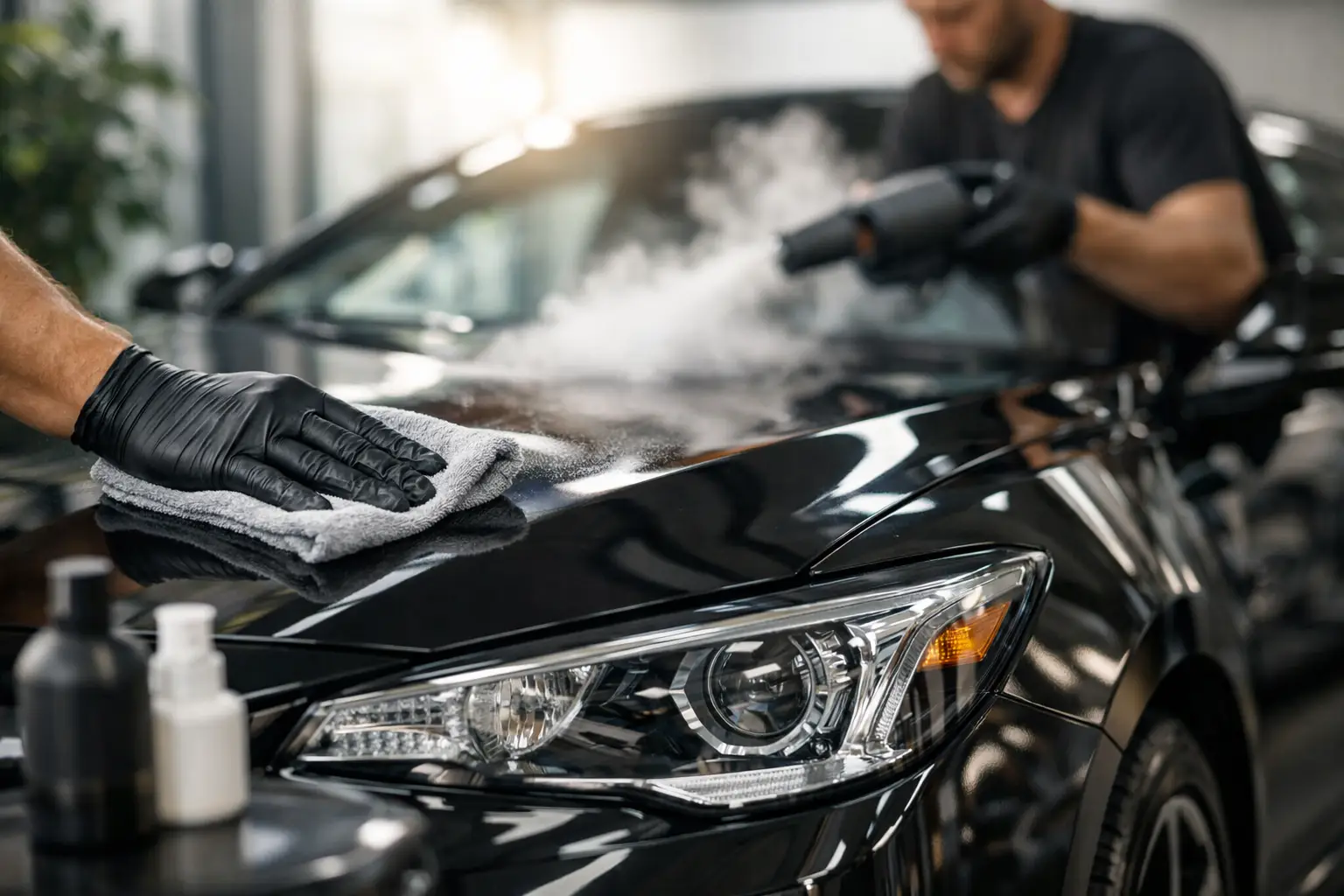
A premium vehicle can look tired long before it has travelled many kilometres. In Singapore, relentless UV exposure, sudden rain, airborne contaminants, construction dust and humid cabin conditions work quietly against paintwork, trim and interior materials. Proper car detailing is not a dressed-up wash. It is a disciplined process of correction, protection and preservation for owners who expect their vehicle to retain its original presence.
The distinction matters. A standard wash removes visible dirt for the moment. Detailing examines the surfaces beneath it: the fine swirls that dull a dark bonnet, bonded contaminants that roughen paint, leather that is beginning to lose its natural finish, or glass that no longer sheds water cleanly. These details may appear minor in isolation, but together they determine whether a car feels carefully kept or merely cleaned.
What Car Detailing Actually Preserves
The first asset under protection is factory paint. Original paintwork is part of a vehicle’s provenance. Once compromised through deep scratches, uncontrolled polishing or preventable stone damage, it cannot simply be restored to its untouched state. Paint correction can refine defects and recover gloss, but every correction should be measured. The finest work removes only what is necessary, respecting paint thickness and the integrity of the clear coat.
A considered detailing session begins with safe decontamination rather than aggressive scrubbing. Road film, brake dust, mineral deposits and industrial fallout can bond to exterior surfaces even when a vehicle appears clean. Left unattended, they create roughness, staining and a muted finish. Specialist methods lift these contaminants without introducing unnecessary marring, preparing the paint for polishing or protective treatment.
The second asset is visual clarity. Gloss is not simply brightness. It comes from a level, clean surface that reflects light evenly. Fine scratches scatter light, producing the hazy appearance commonly seen under direct sun or carpark lighting. Professional paint refinement addresses these defects selectively, restoring depth and definition without treating the vehicle as though it has unlimited paint to spare.
Finally, detailing protects the ownership experience. A clean, properly maintained cabin feels composed every time the door closes. Clear glass improves visibility in wet weather. Fresh, protected trim prevents a cared-for exterior from being undermined by faded plastics or neglected wheels. These are practical gains, but they also preserve the confidence that should accompany a well-chosen vehicle.
Why Singapore Demands a Higher Standard of Care
Tropical conditions are unforgiving because they rarely allow surfaces to rest. Strong sunlight accelerates oxidation and can dry contaminants onto paintwork. Heavy rain leaves mineral residue when it evaporates. High humidity encourages odours and microbial growth within air-conditioning systems, carpets and upholstery. Add expressway debris, roadside grime and frequent outdoor parking, and a car can accumulate damage between routine washes.
This is why a premium approach is not defined by how often a vehicle is polished. Over-polishing is not preservation. The aim is to clean safely, correct with restraint, then establish a protective barrier appropriate to the vehicle’s use and storage conditions.
For a daily-driven executive saloon parked outdoors, protection against UV exposure, water spotting and frequent wash-induced swirls may take priority. For an enthusiast coupe used mainly at weekends, preserving flawless paint around low-mileage panels and vulnerable front-end areas may be more relevant. The best recommendation depends on the condition of the vehicle, its paint type, annual mileage and the owner’s expectations, not a one-size-fits-all package.
Protection is the next chapter, not an afterthought
After detailing has created the right foundation, advanced protection helps maintain it. Paint protection coating can enhance gloss, improve resistance to contaminants and make routine washing more manageable. It is particularly valuable for owners who want a consistently refined finish with sensible maintenance.
Paint protection film serves a different purpose. It is designed for physical defence against stone chips, road debris and abrasion on high-impact sections such as the front bumper, bonnet, fenders and side skirts. Film and coating are not interchangeable. A coating does not provide the same impact resistance as a quality film, while film alone may not be the preferred solution for every painted surface.
The strongest preservation strategy may combine both, but only where it makes financial and practical sense. The objective is not to cover a vehicle in products. It is to protect the surfaces most exposed to risk, using materials selected for the way the car is actually driven.
The Interior Deserves Equal Attention
Interior detailing is often treated as a secondary service because wear develops gradually. Yet the cabin is where owners spend their time, and Singapore’s humidity makes it especially important to manage cleanliness beyond what is visible.
Premium leather, Alcantara, piano-black trim and coated touchpoints all require different treatment. An overly glossy dressing can make trim look artificial. Harsh cleaners can strip protective finishes or leave leather dry and uneven. The correct approach cleans contaminants from the surface, conditions materials where appropriate, and leaves behind an original, low-sheen appearance rather than a temporary cosmetic disguise.
Interior sanitisation is equally relevant for family cars, ride-sharing vehicles and daily commuters. It addresses the unseen accumulation within upholstery, carpets and ventilation zones, helping to reduce odours and maintain a fresher cabin environment. This should not be confused with masking smells through fragrance. A lasting result comes from identifying and treating the source, whether it is trapped moisture, food residue, pet hair or an overdue air-conditioning clean.
How to Recognise Professional Detailing
The difference is often visible before the vehicle is even handed over. A specialist will assess the paint under proper lighting, identify existing defects, discuss previous repair work and explain what can reasonably be improved. They will also be clear about limits. Deep scratches that have penetrated the clear coat may require paint repair rather than polishing. Etching from severe water spots may not disappear completely without more intensive correction. Honest advice is part of premium workmanship.
Process matters as much as products. Sensitive areas should be handled with care, from badges and panel edges to gloss-black trim and delicate interior surfaces. Wheels, tyres and paint should not be treated as one undifferentiated cleaning task. Cross-contamination control, suitable wash media and controlled machine polishing all reduce the risk of creating fresh damage during the service itself.
A good detailer also sets realistic maintenance expectations. Protective treatments reduce the effort required to keep a car presentable, but they do not make it immune to neglect. Automatic brush washes, abrasive towels and leaving bird droppings or tree sap on the paint for extended periods can still compromise a protected finish. Preservation works best when professional care is supported by sensible habits between appointments.
Building a Sensible Detailing Schedule
There is no fixed calendar that suits every owner. Vehicles parked outdoors, driven daily and exposed to construction zones will need more frequent attention than sheltered weekend cars. As a general discipline, wash before contaminants become embedded, address water spots promptly, and arrange professional inspection when gloss begins to fade or the surface no longer feels smooth after washing.
A full correction is not an annual ritual by default. If the paint is protected and washed correctly, a light refinement or maintenance detail may be all that is needed. Conversely, a recently acquired pre-owned vehicle may benefit from deeper decontamination, paint correction and interior restoration before protection is applied. Starting from a properly prepared surface gives every subsequent treatment a better chance of performing as intended.
Owners should also consider the vehicle’s long-term plan. If resale is likely within a few years, preserving original paint, clean interiors and undamaged high-contact areas strengthens the impression of careful ownership. If the car is a long-term keeper, detailing becomes part of protecting the pleasure of ownership itself. In both cases, delaying care until damage is obvious is usually the more expensive route.
At EA Detailer, the standard is not simply a brighter finish at collection. It is a vehicle that remains easier to maintain, more satisfying to drive and more faithful to the condition that made you choose it. Treat detailing as the art of preservation, and every journey begins with a car that still looks worthy of its place in your life.

Leave a Reply