

Paint Repair: When Precision Matters Most

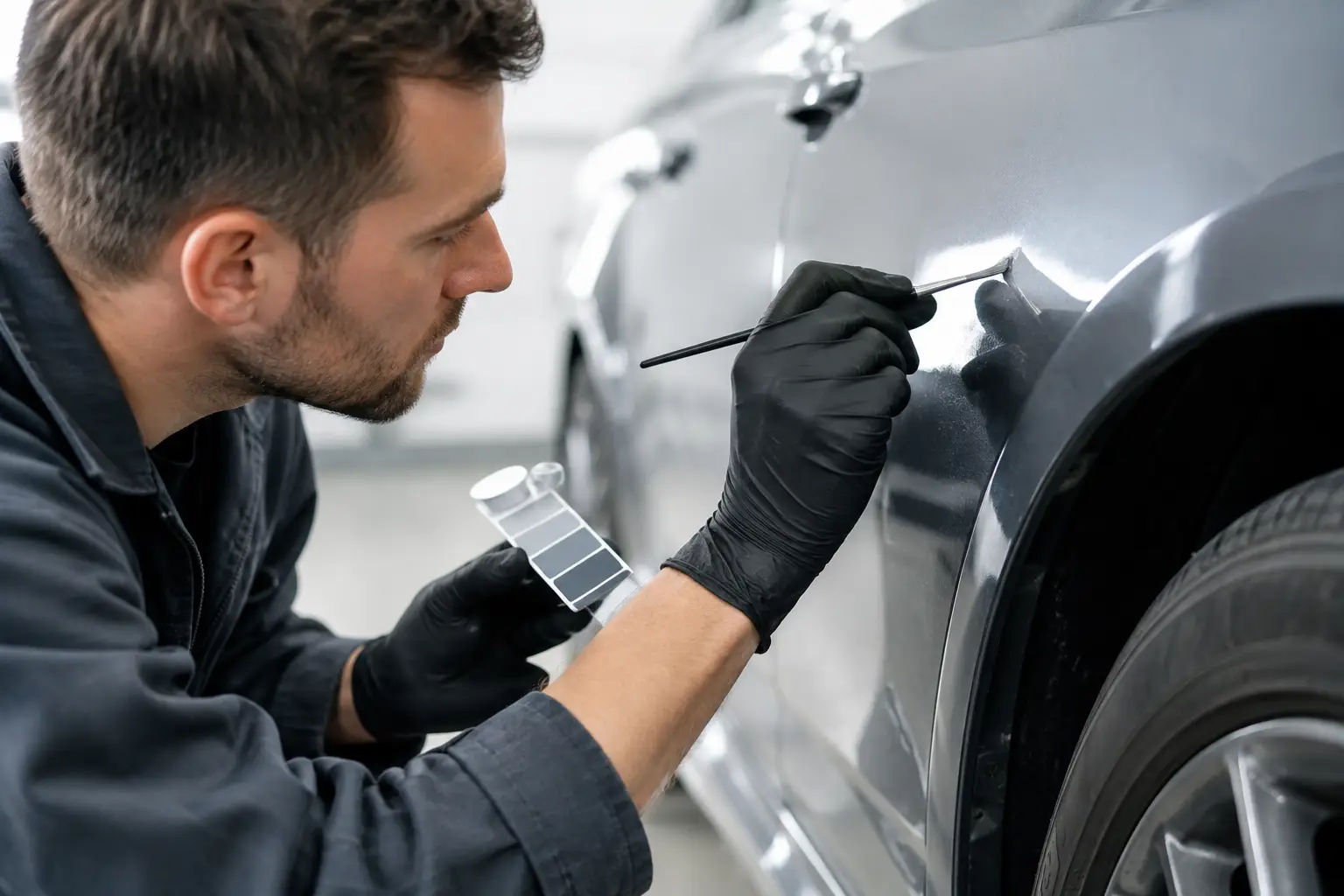
A fine scratch across a door, stone chips on the bonnet, or a scuffed bumper can alter the entire impression of an otherwise immaculate vehicle. Professional paint repair is not simply about hiding damage from a distance. It is a measured restoration process that respects the original finish, corrects defects at the appropriate depth, and preserves the visual integrity of the vehicle.
For discerning owners, the question is rarely whether damage should be addressed. It is whether the repair will blend flawlessly, endure Singapore’s heat and humidity, and avoid compromising the value of the factory paint beneath it. The answer depends on diagnosis, materials, and the discipline of the technician carrying out the work.
Paint Repair Is Not One Procedure
Paint damage can appear deceptively similar. A pale line on a dark panel may be a superficial mark sitting above the clear coat, a clear-coat scratch that can be refined, or a deeper cut that has reached the colour layer or primer. Treating all three in the same way is how a minor cosmetic concern becomes an uneven, short-lived repair.
A proper assessment begins with the depth, location, age, and cause of the damage. It also considers the panel material and paint type. Modern vehicles may use multi-layer metallic, pearl, matte, satin, or specialist finishes. These surfaces demand different techniques and have different tolerances for polishing, sanding, and refinishing.
Surface-level transfer from another object may be removable through careful decontamination and controlled machine polishing. Fine wash marring and light clear-coat scratches may respond beautifully to paint correction, where a minute amount of damaged clear coat is levelled to restore clarity. When the colour coat, primer, or bare substrate is exposed, however, refinishing is usually the more responsible route.
The distinction matters because paint thickness is finite. Aggressive polishing can make a panel look better in the moment while unnecessarily reducing the clear-coat reserve that protects it for years to come. Premium paint repair is therefore conservative by design: correct what can be corrected, and refinish only where the damage truly requires it.
The First Decision: Repair, Touch-Up, or Refinish?
There is no single treatment suitable for every scratch. The right choice balances appearance, durability, cost, turnaround time, and the owner’s expectations for the vehicle.
Paint Correction for Light Defects
Paint correction is appropriate when the defect remains within the upper clear-coat layer. Under proper lighting, a skilled technician can identify whether the scratch can be safely reduced or removed through compounding and polishing. This approach retains the original colour and avoids repainting, making it particularly desirable for newer vehicles with healthy factory paint.
The trade-off is that correction has limits. Deep scratches cannot be polished away without removing excessive clear coat around them. If a scratch catches a fingernail, it may still be improved considerably, but a completely invisible result is not always technically sound or realistic.
Localised Touch-Up for Small Chips
Stone chips and isolated nicks often benefit from precise colour-matched touch-up. This is especially useful on areas exposed to road debris, such as the bonnet, front bumper, side skirts, and mirror caps. A well-executed touch-up seals the exposed area and makes the damage far less conspicuous.
Yet touch-up is not identical to a full refinish. On close inspection, a filled chip may retain a slight texture or outline. It is an intelligent preservation measure for small, contained defects, particularly where repainting an entire panel would be disproportionate.
Panel Refinishing for Deeper Damage
When paint has been broken through, corrosion is beginning, a bumper is heavily scuffed, or prior repairs have failed, panel refinishing offers the most complete result. The damaged area is prepared, repaired, primed where necessary, colour-matched, painted, and protected with clear coat before final refinement.
Colour matching is where expertise becomes visible. Paint changes subtly over time through UV exposure, washing, environmental fallout, and the natural ageing of the finish. A technically correct paint code is only the starting point. The repaired area must be assessed beside adjacent panels under multiple lighting conditions so metallic flake, pearl effect, brightness, and tone sit naturally with the vehicle.
Why Singapore’s Environment Changes the Equation
Singapore’s climate is demanding on automotive paint. Strong UV exposure, high humidity, sudden rain, construction dust, traffic grime, bird droppings, and tree sap all place pressure on exterior surfaces. Once a scratch or chip exposes underlying layers, moisture and contaminants can enter more easily, particularly around panel edges and impact-prone areas.
That does not mean every minor imperfection needs immediate repainting. A shallow scuff on a bumper may be largely cosmetic. But deep chips on a bonnet or scratches near a wheel arch deserve timely attention. Left untreated, small breaches can worsen, and the eventual repair may require more preparation than the original damage suggested.
There is also an ownership consideration. Luxury and executive vehicles often feature complex paintwork, sharp body lines, sensors, cameras, and tightly integrated trim. A low-cost repair that leaves overspray, poor masking lines, mismatched texture, or an obvious colour difference can diminish the vehicle more than the original scratch. The standard should be restoration, not merely coverage.
What a High-Quality Repair Process Looks Like
The visible result is only one measure of quality. Before any correction or refinishing begins, the panel should be cleaned and inspected under focused lighting. This reveals swirl marks, existing repairs, contamination, and the true extent of the defect. Where appropriate, paint-depth readings provide further context before polishing or sanding takes place.
For a refinished panel, preparation is decisive. Damaged paint must be carefully stabilised, surface imperfections levelled, and surrounding areas protected. The repair should respect original panel contours rather than flattening character lines or introducing unnecessary filler. Colour and clear coat are then applied in controlled conditions, followed by curing and refinement to achieve an even gloss and texture.
The last stage is often overlooked: integrating the repaired panel into the vehicle as a whole. This may involve refining adjacent areas, checking the finish under sunlight and workshop lighting, and ensuring trims, badges, sensors, and edges are cleanly reinstated. At EA Detailer, this level of attention is central to preserving the composed, factory-grade appearance owners expect.
Protecting Freshly Repaired Paint
A repair restores the finish, but protection helps preserve the investment. Once the recommended curing period has passed, a paint protection coating can improve gloss, reduce the adhesion of contaminants, and make routine cleaning more controlled. It is particularly valuable for vehicles parked outdoors or driven frequently through demanding urban conditions.
For high-impact zones, paint protection film is often the stronger long-term choice. Applied to vulnerable areas such as the front bumper, bonnet, fenders, mirror caps, door edges, and side skirts, it creates a physical barrier against stone chips, light abrasions, and road debris. The best protection plan is not necessarily full coverage. It should reflect how the vehicle is used, parked, and maintained.
Care after repair should remain disciplined. Avoid harsh wash tools, strong unverified chemicals, and wiping dry dust across the panel. Regular gentle washing, prompt removal of bird droppings and sap, and periodic professional inspections will help the finish retain the clarity that the repair was intended to restore.
Choosing a Repair Partner With the Right Standards
Before authorising work, ask how the damage will be assessed, whether the proposed treatment preserves as much factory paint as possible, and what result is realistically expected. A reputable specialist should distinguish between what can be corrected, what should be touched up, and what truly needs refinishing. They should also be candid about limitations, particularly on aged paint, complex colours, and heavily damaged panels.
The objective is not to chase perfection at any cost. It is to make the most technically appropriate decision for the vehicle in front of you. A carefully preserved factory finish with a discreet, well-managed repair is often more valuable than an unnecessarily extensive repaint.
A vehicle’s paintwork records every journey: the motorway stone chip, the tight car-park encounter, the hurried loading bay. Addressed with precision, those marks do not have to define its appearance. They become a reason to restore the surface with the care a valued vehicle deserves.

Leave a Reply