

How to Maintain Paint Protection Film Properly

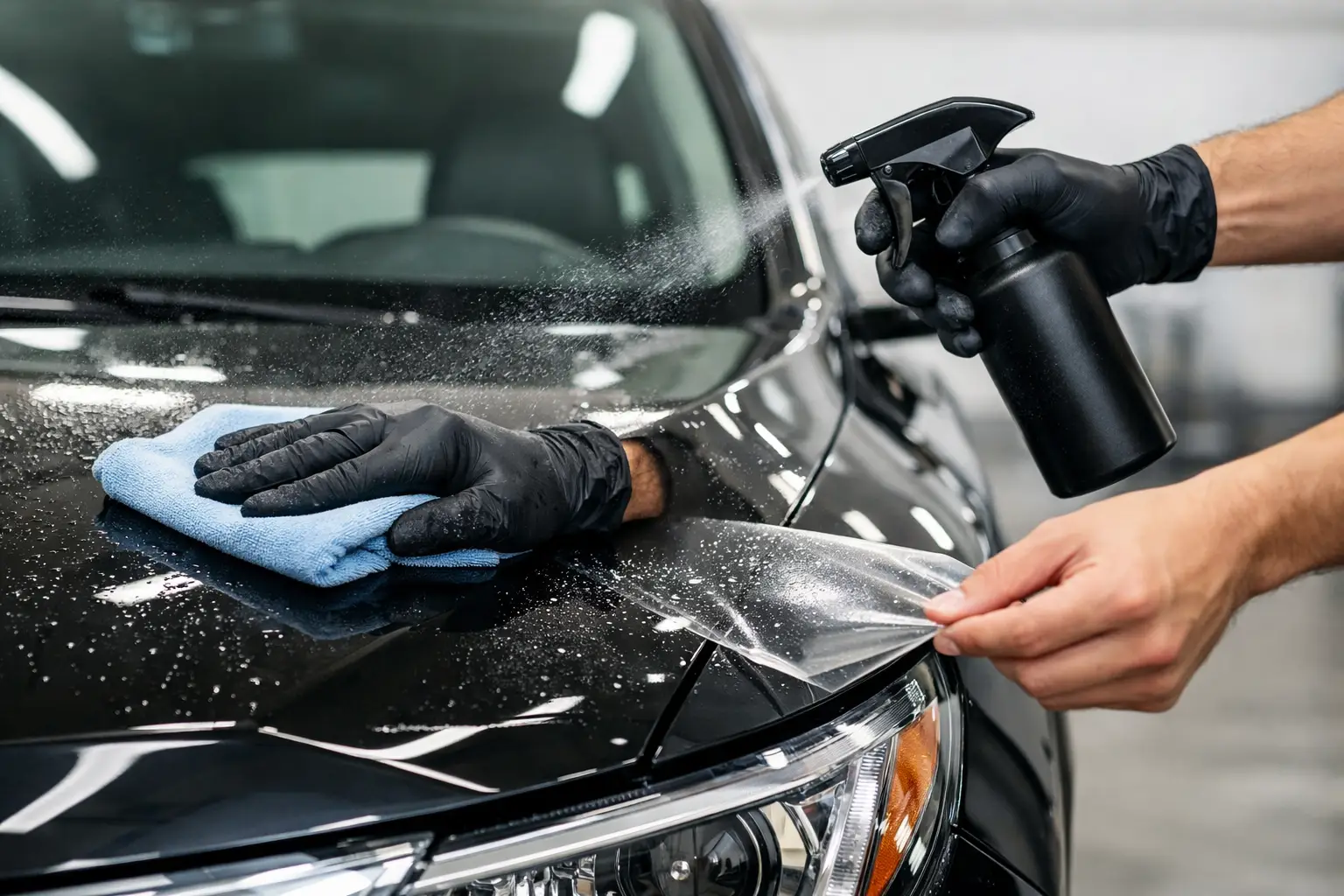
A freshly installed PPF finish has a distinct look – clean reflections, tight surface clarity, and the quiet confidence that your paint is properly shielded. Yet many owners ask the same question after installation: how to maintain paint protection film so it continues to look refined rather than tired, cloudy, or neglected.
The answer is not complicated, but it does require discipline. Paint protection film is engineered to absorb daily wear far better than exposed paint, but it is not invincible. In Singapore’s climate, where UV exposure, rain minerals, road grime, tree sap, bird droppings, and humidity all work against surface condition, proper aftercare makes the difference between film that merely survives and film that continues to perform beautifully.
How to maintain paint protection film from day one
The first few days matter more than most owners realise. After installation, the film adhesive is still settling and moisture used during application may continue to evaporate. During this early curing period, avoid unnecessary washing, rubbing, or pressing at edges. If your installer has given a specific waiting period, follow that guidance rather than a generic timeline.
It is also normal to notice slight haze, tiny water pockets, or minor texture variation immediately after installation. That does not usually indicate a defect. In many cases, these visual irregularities reduce as the film cures. What owners should avoid is trying to “fix” the surface too early with aggressive wiping, household cleaners, or improvised detailing products.
Once curing is complete, maintenance becomes straightforward. The film should be treated like a premium exterior surface – gently, consistently, and with the right chemistry.
Washing matters more than most people think
The fastest way to shorten the appearance life of PPF is careless washing. Harsh detergents, rough mitts, dirty sponges, and automated brushes can dull the surface or leave it looking prematurely worn. The film may still be protecting the paint underneath, but aesthetically, it will no longer present like a well-kept vehicle.
Hand washing is the preferred method. Use a pH-balanced car shampoo, clean water, and a quality microfibre wash mitt. Rinse thoroughly first to remove loose grit, then wash with light pressure rather than scrubbing. If the vehicle is heavily soiled, more lubrication and more rinsing are better than more force.
Drying deserves equal attention. Letting water evaporate naturally often leaves mineral spotting, especially in a warm climate. A clean microfibre drying towel or filtered air blower helps preserve surface clarity without dragging contaminants across the film. The goal is not just cleanliness, but maintaining the finish that made PPF worthwhile in the first place.
Avoid the usual shortcuts
Owners who are meticulous about driving often become surprisingly casual about washing. Petrol station brushes, multipurpose degreasers, dishwashing liquids, and old bath towels all create avoidable wear. None of them belong near premium film.
Pressure washers can be used, but technique matters. Keep a safe distance, avoid directing intense pressure at film edges, and do not treat the surface like concrete. PPF is durable, but high-pressure misuse can compromise bonding over time.
Contaminants should never sit for long
If you want to know how to maintain paint protection film properly, one rule stands above the rest: remove contamination early. Bird droppings, bug remains, tree sap, hard water marks, and traffic film become harder to clear the longer they stay on the surface.
PPF offers a strong defensive layer, but it is still exposed to the same environmental fallout as paint. In Singapore, frequent rain followed by heat can bake residue into the surface faster than many owners expect. That means waiting for the next weekly wash is not always the right decision.
For fresh bird droppings or sap, use a dedicated automotive-safe cleaner and a soft microfibre cloth. Soften the contamination first instead of scraping at it. Gentle dwell time is more effective than force. If the mark does not release easily, it is better to escalate to proper detailing products or professional treatment than risk marring the film.
Water spots are another common issue. They often begin as a cosmetic nuisance, but once minerals cure onto the surface, removal becomes more delicate. Prompt drying after rain exposure or washing significantly reduces this problem.
Sun, heat, and parking habits affect the film
Premium film is designed for outdoor use, but usage conditions still influence longevity. Whenever possible, sheltered parking helps preserve gloss, reduce heat stress, and minimise contaminant buildup. This is especially helpful for vehicles parked outdoors for long hours during the workday.
That said, real life is not always ideal. Many owners in Singapore split time between basement parking, open-air carparks, and roadside stops. In those cases, frequent maintenance matters more than chasing perfect storage conditions. A car exposed daily to UV and rain can still look excellent if the owner responds quickly to residue and keeps wash standards high.
The opposite is also true. A vehicle that spends most of its time indoors can still develop poor-looking film if it is cleaned badly or left with old contamination.
What products are safe on PPF?
This is where restraint pays off. Use products specifically intended for automotive paint and film-safe exterior care. pH-balanced shampoo, quality quick detailers, clean microfibres, and suitable sealant or topper products are generally the sensible route. The objective is to support surface slickness and cleanliness without introducing unnecessary chemical stress.
Avoid strong solvents, abrasive polishes unless professionally assessed, and any cleaner that leaves uncertainty about film compatibility. Not every product marketed for shiny results is appropriate for PPF. Some may add temporary gloss while quietly degrading the finish or interfering with self-healing performance.
Matte and gloss films also require different judgement. A gloss film may tolerate certain enhancement products that would be entirely unsuitable on matte PPF, where any added shine can alter the intended appearance. If the vehicle has a mixed finish, maintenance should respect each surface rather than applying one method to everything.
When machine polishing becomes a bad idea
Many experienced owners assume every exterior surface can be corrected the same way. With PPF, that assumption can become expensive. Light refining may be possible in some situations, depending on the film type and the issue being addressed, but aggressive paint correction logic should not be carried over blindly.
Film has its own top layer characteristics, and overworking it can reduce clarity or alter finish uniformity. If the surface looks tired, hazy, or stained, the right answer may be decontamination, specialised treatment, or film replacement in that area – not heavier polishing.
This is one of the clearest trade-offs in PPF ownership. The film protects the paint from direct damage, but because it is a sacrificial layer, there comes a point where preserving the underlying paint means accepting that the film itself may eventually need professional renewal.
Professional maintenance has a place
Routine home care is essential, but there are moments when specialist attention is the better decision. Stubborn staining, embedded contamination, lifted edges, surface dullness, or uncertainty about suitable products all justify professional inspection.
A premium vehicle deserves maintenance standards that match its protection system. Professional washing, decontamination, and condition checks can restore visual sharpness while preventing small issues from becoming larger ones. For owners who value presentation, resale condition, and long-term paint preservation, occasional expert care is not indulgence – it is sensible asset protection.
At EA Detailer, this philosophy sits at the centre of proper aftercare. Protection should not end at installation. It should continue through measured maintenance that respects both the material and the vehicle beneath it.
The ownership mindset that keeps PPF looking exceptional
The best-kept cars are rarely the ones washed most aggressively. They are the ones cared for with consistency. A gentle wash before grime accumulates, a quick response to bird droppings, proper drying after rain, and the discipline to avoid unsuitable chemicals – these habits preserve the finish far more effectively than occasional overcorrection.
Paint protection film is one of the most intelligent ways to defend factory paint, but its appearance still reflects the owner’s standards. Treat it as a performance surface, not an excuse to neglect the car, and it will continue to deliver what discerning owners expect: lasting protection, refined gloss, and the kind of presentation that feels as considered as the machine itself.
A well-protected vehicle always tells on its owner. Not through noise, but through restraint, care, and the visible evidence that preservation was never left to chance.
