

Paint Correction Singapore: What to Expect

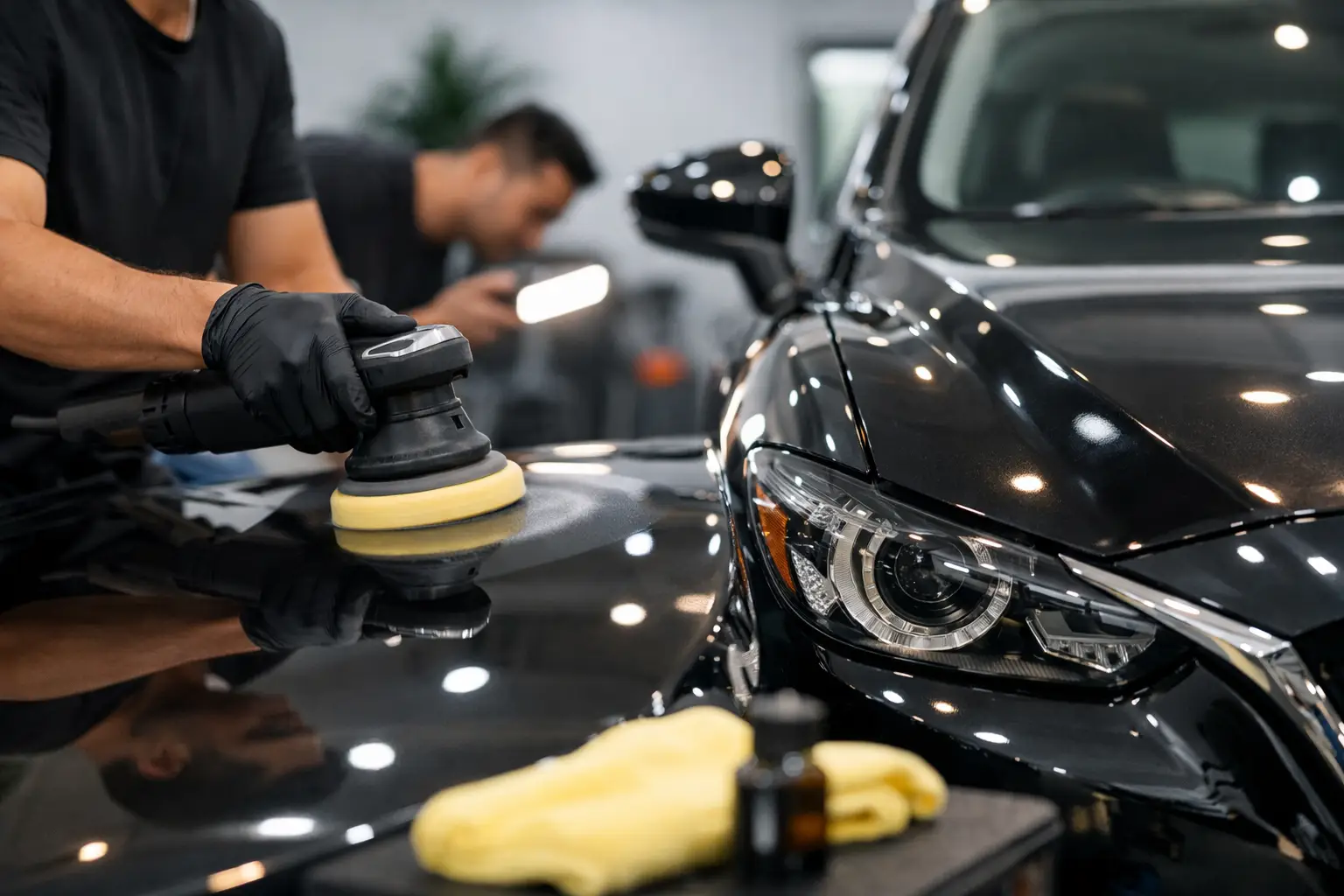
The swirl marks usually show up when you least want to see them. Morning sun across the bonnet, harsh basement lighting, or the first proper wash after collection – suddenly the paint that looked deep and glossy now appears hazy, scratched, and tired. That is where paint correction Singapore services become more than cosmetic indulgence. For owners who care about finish, value, and presentation, it is a restoration process with real substance.
Paint correction is the measured removal of surface defects from your vehicle’s clear coat through machine polishing. The goal is not to mask imperfections for a few weeks, but to refine the paint so light reflects cleanly again. On a well-kept executive saloon or a cherished performance car, the difference is immediate. Gloss becomes sharper, colour gains depth, and the vehicle looks closer to how it should have left the showroom.
What paint correction actually fixes
A premium vehicle’s paint collects damage in layers, often slowly enough that owners stop noticing it. Improper washing creates swirl marks. Poor drying habits leave fine marring. Bird droppings, water spots, light oxidation, and minor scuffs gradually flatten the finish. Paint correction addresses these surface-level defects by levelling the clear coat with the right combination of pad, polish, machine speed, and technique.
This is why a corrected panel looks dramatically different from one that has merely been waxed or glazed. Waxes and fillers can add shine, but they do not truly remove defects. Proper correction does. Under inspection lighting, a corrected surface appears clearer, darker, and more uniform because the flaws interrupting light reflection have been reduced or removed.
That said, not every defect can be safely corrected. Deep scratches that catch a fingernail, stone chips, clear coat failure, poor respray work, or severe etching may require refinishing rather than polishing. A reputable specialist should say so plainly. In high-level detailing, knowing what not to chase matters as much as knowing what can be improved.
Paint correction Singapore owners often need sooner than expected
Local driving conditions are not kind to automotive paint. Heat, humidity, UV exposure, rainfall, road grime, industrial fallout, and dense urban parking all accelerate wear. Even careful owners can end up with visible wash marks simply because the car is cleaned often, and frequent contact always carries some risk if the process is not meticulous.
In Singapore, another factor is how often cars are used in tight, high-contact environments. Condominium car parks, roadside dust, commercial washing, and hurried maintenance routines all contribute to fine paint damage. A dark-coloured car reveals it first, but lighter shades are not exempt. They simply hide defects until the finish starts looking dull rather than obviously scratched.
For this reason, paint correction is often less about dramatic rescue and more about restoring precision. If your paint no longer looks crisp under direct light, correction may be the step that brings back the richness you remember.
One-stage or multi-stage correction?
This depends on the condition of the paint and your expectations. A one-stage correction is ideal when the goal is to significantly improve gloss and remove a meaningful amount of lighter defects without pursuing near-perfect refinement. For daily-driven cars, this can be the most sensible balance of outcome, time, and clear coat preservation.
A multi-stage correction goes further. It typically begins with a more assertive cutting stage to address heavier defects, followed by refining stages to restore clarity and finish. This approach suits vehicles with neglected paint, darker colours, enthusiast ownership standards, or pre-sale and pre-protection preparation where visual precision matters.
Neither option is automatically better. The right answer depends on paint thickness, defect severity, prior polishing history, and how you intend to protect the finish afterwards. Chasing perfection on thin or heavily worked paint is rarely wise. Preserving the integrity of the paint should always remain part of the decision.
Why craftsmanship matters more than product claims
Polishing compounds and machines are widely available. Genuine paint correction expertise is not. The difference lies in assessment, restraint, and consistency. Professional correction is built on paint readings, lighting analysis, test spots, pad selection, heat management, residue control, and a clear understanding of when to stop.
This is especially important on modern vehicles with varying paint systems. Some clears are soft and mark easily. Others are hard and require more aggressive correction. Repainted panels can behave differently from factory paint. Edges and body lines need careful handling. A premium result is not created by using the most aggressive method possible. It comes from reading the surface correctly.
The finest detailers treat paint correction as a conservation process, not an attack on defects. That mindset protects long-term appearance and long-term value.
What to expect from a professional paint correction Singapore process
A proper correction service should begin well before the machine polishing starts. The vehicle is first decontaminated so bonded fallout, tar, and embedded particles do not interfere with polishing. This is followed by careful inspection under dedicated lighting to map defects and identify any deeper limitations.
From there, a test section is usually performed. This is where the technician determines the least aggressive combination that produces the desired improvement. It is a small detail, but it says a great deal about service quality. Skilled correction is not guesswork.
Once polishing is complete, the finish should be wiped down and rechecked to ensure the improvement is genuine rather than temporarily concealed by oils. At that stage, protection becomes the next logical step. Freshly corrected paint is visually elevated, but it is also vulnerable if left unprotected.
Correction first, then protection
Paint correction restores. Protection preserves. They are related, but not interchangeable.
After correction, many owners choose a paint protection coating or paint protection film depending on the vehicle, usage pattern, and level of protection required. Coatings help with gloss retention, chemical resistance, and easier maintenance. Paint protection film adds a physical barrier against chips, abrasion, and road wear in high-impact areas. The sequence matters. It makes little sense to seal damaged paint under a premium protective layer when the finish could be properly refined first.
For owners focused on presentation and long-term preservation, correction followed by protection is usually the more intelligent investment than repeating cosmetic polishing over time. It establishes a clean baseline and then helps retain it.
Is paint correction worth it before selling a car?
Often, yes. A vehicle’s finish influences buyer perception before the engine is even discussed. Paint that looks neglected suggests broader neglect, even if the mechanical condition is excellent. On the other hand, a deep, consistent finish signals care, discipline, and ownership quality.
This does not mean every car needs an intensive multi-stage correction before sale. Sometimes a targeted enhancement is enough to materially improve presentation and support stronger resale positioning. If the car is relatively new, premium, or enthusiast-owned, visual condition can affect negotiation leverage more than many owners expect.
How to tell if your car is a good candidate
If your car still looks decent from a distance but disappointing up close, that is often the strongest sign. Swirls under sunlight, reduced gloss, patchy water spot etching, and fine scratches around door handles or boot areas are all common indicators. Black, navy, graphite, and other darker colours tend to benefit most visibly, but any paint colour can gain clarity from correction.
The age of the vehicle matters less than the condition of the surface. A two-year-old car washed poorly may need correction more than a seven-year-old car maintained carefully. This is why a proper inspection matters. Paint correction should be prescribed, not assumed.
Choosing the right specialist
Look for a workshop that speaks clearly about paint condition, realistic outcomes, and protection strategy after correction. Be cautious of anyone promising perfection without inspection or offering the same package for every vehicle. Premium correction is a tailored service because paint condition is never truly identical from car to car.
The environment matters as well. Controlled lighting, careful washing methods, and a specialist-led process all point to a higher standard of work. So does honest advice. If a professional recommends a lighter correction to preserve paint health, that is usually a sign of maturity, not limitation.
At EA Detailer, this philosophy sits at the heart of surface restoration – elevate the finish, preserve the material, and protect what makes the vehicle worth keeping pristine.
A remarkable finish changes the way a car is perceived every single day, from the first glance in the car park to the moment it is handed to its next owner. If your paint has lost its sharpness, correction is not about chasing vanity. It is about returning craftsmanship to the surface and then preserving it with intent.
