

Best Car Paint Protection Options Explained

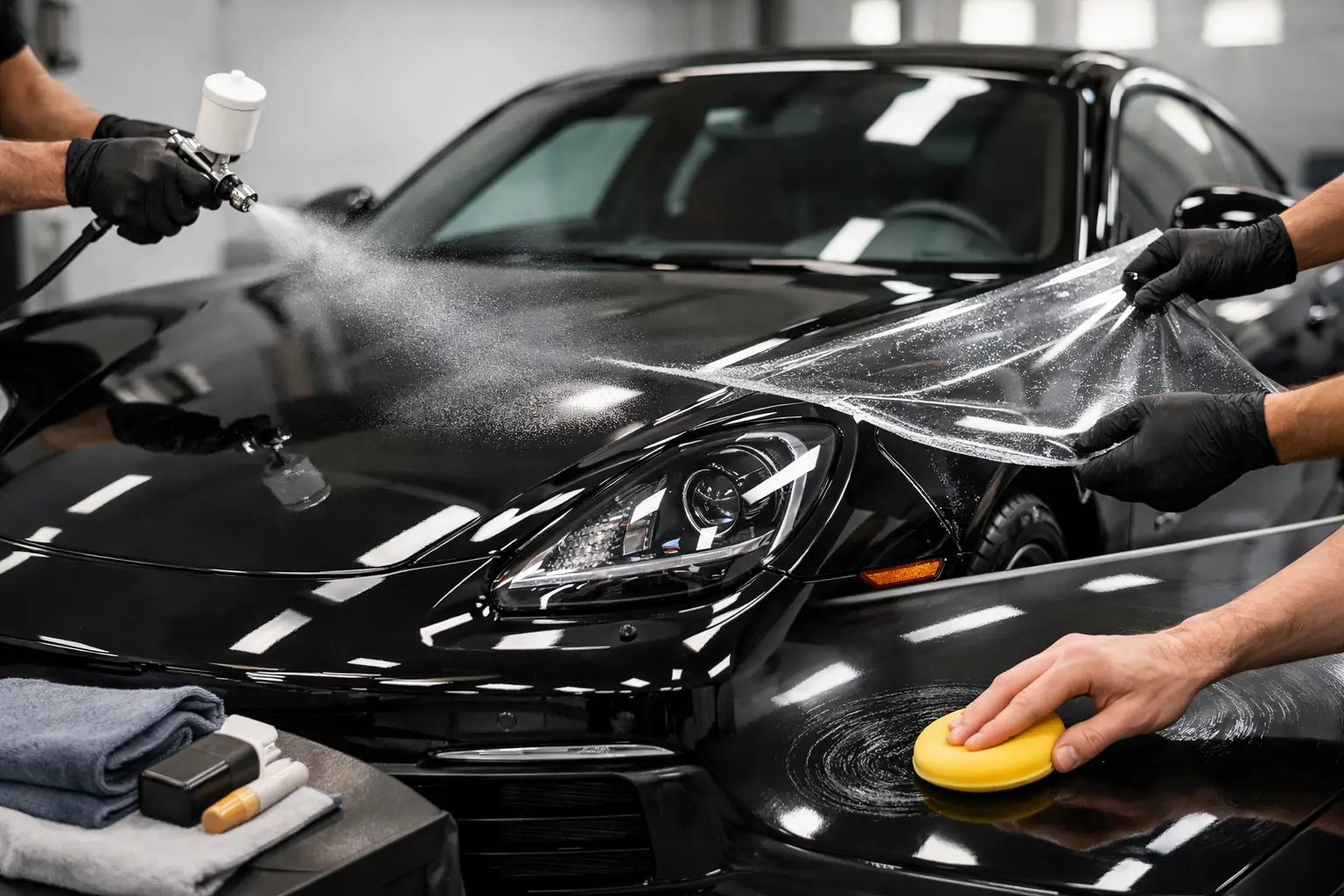
The first stone chip usually arrives earlier than expected. One expressway run behind a lorry, one tight car park pillar, one week of tropical rain and heat, and suddenly the conversation shifts from keeping a car shiny to preserving what it is worth. That is why many owners start looking seriously at the best car paint protection options soon after collection, not after damage appears.
For premium and enthusiast vehicles, paint protection is not a cosmetic extra. It is part of responsible ownership. Factory paint is one of the most valuable original elements on a car, and once it is chipped, etched, oxidised, or repeatedly polished back, it cannot be truly replaced in the same way. The right protection strategy helps preserve gloss, reduce correction work, and maintain a more consistent finish over time.
The best car paint protection options depend on the risk
There is no single answer that suits every driver. The best car paint protection options depend on how the vehicle is used, where it is parked, how long you plan to keep it, and how much imperfection you are willing to tolerate.
A weekend car that spends most of its life indoors has different needs from a daily-driven executive saloon covering expressway mileage every day. A black luxury SUV parked outdoors faces different exposure from a light-coloured coupe kept in basement parking. Paint protection works best when matched to real-world conditions rather than brochure promises.
In practice, most owners are choosing between paint protection film, paint protection coating, sprayable paint protection, and more basic maintenance products such as waxes or sealants. Each serves a different purpose.
Paint protection film offers the highest level of physical defence
If your priority is defending factory paint against chips, light abrasion, road rash, and daily wear, paint protection film is the strongest option available. PPF is a transparent urethane-based film applied over painted panels to create a sacrificial barrier between the surface and the outside world.
For high-impact areas such as the front bumper, bonnet, fenders, side mirrors, door edges, and lower doors, this level of defence is difficult to match. It is especially relevant for owners who drive frequently on expressways, travel behind heavy vehicles, or simply want peace of mind in tight urban conditions.
The real value of PPF is not just that it keeps the car glossy. It helps prevent the type of damage that cannot be polished away. Stone chips break paint. Scratches from careless contact can cut through clear coat. Once that happens, correction becomes repair, and repair means losing some degree of original finish.
The trade-off is cost. PPF is the most substantial investment among the best car paint protection options, and quality matters greatly. Film quality, installation standards, panel preparation, edge finishing, and aftercare all influence the final result. On a premium vehicle, poor installation is more noticeable than no film at all.
For owners who intend to keep a vehicle long term, or who place a premium on preserving original paintwork, PPF is usually the benchmark solution.
Paint protection coating is ideal for gloss, easier maintenance, and chemical resistance
Ceramic-style paint protection coatings do not provide the same impact resistance as film, but they perform extremely well in other areas. A professionally applied coating creates a hardened, chemically resistant layer that helps reduce staining, oxidation, water spotting adhesion, and the build-up of road grime.
This makes coatings particularly attractive for drivers who want a vehicle to remain easier to wash and visually cleaner between maintenance visits. In Singapore, where heat, humidity, rain, and airborne contaminants can all work against paint condition, that easier maintenance is not a minor benefit. It directly affects how the car looks week after week.
A coating also enhances clarity and gloss in a way many owners appreciate, especially on darker colours where depth and reflectivity are part of the ownership experience. That said, coatings are often misunderstood. They are not scratch-proof, chip-proof, or maintenance-free. Improper washing can still introduce swirl marks, and neglected cars will still deteriorate.
Where coating excels is in preserving finish quality with less effort than untreated paint. For many daily-driven cars, this makes it one of the most practical choices.
Sprayable paint protection works well for owners who want flexibility
Sprayable paint protection sits in a more accessible category. It can add hydrophobic performance, improve slickness, and provide a shorter-term defensive layer against contamination and environmental fallout. It is often chosen by owners who want better protection than a conventional wax but do not yet require the long-term commitment of a full coating or film installation.
This option can be sensible for newer mainstream vehicles, leased cars, or owners testing their appetite for professional protection. It can also serve as a useful maintenance layer over existing protected surfaces when recommended by a specialist.
The compromise is longevity and depth of defence. Sprayable protection does not match the durability of a professional coating, and it certainly does not replace the physical barrier of PPF. It is best understood as a lighter protective measure rather than a full preservation system.
Wax and sealant still have a place, but mostly for short-term enhancement
Traditional waxes and synthetic sealants remain familiar to many owners because they are affordable and easy to understand. They can add gloss, beading, and some short-term protection. For enthusiasts who enjoy regular hands-on maintenance, they still offer charm.
But on modern premium vehicles, especially those exposed to demanding weather and frequent use, they are often the least durable option. Heat, detergents, rain, and contamination wear them down quickly. If your goal is long-term preservation rather than occasional shine, wax is rarely the strongest answer.
That does not make it useless. It simply places it lower on the ladder of serious paint protection.
How to choose between the best car paint protection options
The decision becomes clearer when you think in terms of threat level rather than product category. If you are most concerned about stone chips, scuffs, and preserving original paint on vulnerable panels, choose PPF. If your main concerns are gloss retention, easier washing, chemical resistance, and reducing the rate of visible ageing, a paint protection coating is often the right fit. If you want a lighter-entry solution, sprayable protection can bridge the gap.
Many discerning owners combine systems rather than choosing only one. That is often the most intelligent route. PPF can protect the highest-risk areas physically, while a coating can be applied over remaining painted surfaces to improve maintenance and finish retention. This layered approach aligns well with vehicles that are both driven regularly and expected to remain in exceptional condition.
It is also worth thinking about ownership horizon. A car you plan to sell in two years may justify a different protection package from one you intend to keep for eight. Likewise, a collector-minded owner may value originality more highly than someone focused purely on convenience.
Professional installation matters as much as the product itself
Protection products are only as good as the preparation and installation behind them. Paint that is not properly cleansed, corrected, or inspected before application can trap defects beneath the protective layer. Film installed without precision can show lifting edges, trapped contamination, or poor alignment. Coatings applied without disciplined process can cure unevenly or fail prematurely.
This is where specialist experience becomes part of the protection itself. A professional assessment should consider the paint condition, the vehicle’s use case, and the owner’s priorities before any recommendation is made. Premium protection is not about applying the most expensive product to every car. It is about matching the right system to the car, the driver, and the expected standard of finish.
For this reason, owners comparing quotations should look beyond headline pricing. Material quality, workmanship, coverage scope, aftercare guidance, and installer credibility all matter. The lowest price can become the costliest choice if the finish has to be redone.
What makes sense for Singapore roads and climate
In Singapore, paintwork faces a punishing mix of UV exposure, high surface temperatures, heavy rainfall, traffic grime, industrial fallout, bird droppings, and tight parking environments. That combination accelerates wear in ways many owners underestimate.
For daily-driven premium cars, a practical recommendation often looks like this: PPF on high-impact areas if chip resistance matters, paired with a professional coating for the rest of the exterior if ease of maintenance and gloss retention matter just as much. For lighter-use vehicles, a quality coating alone may be entirely sufficient. For owners wanting a shorter-term step up from basic grooming, sprayable paint protection remains a sensible entry point.
The best car paint protection options are not about buying the most technology. They are about preserving the integrity of the vehicle in a way that respects its value, finish, and future.
A well-kept car always tells a story before the engine starts. Choose protection that allows that story to remain one of care, discipline, and pride for years to come.
