

Paint Protection Film Singapore: Is It Worth It?

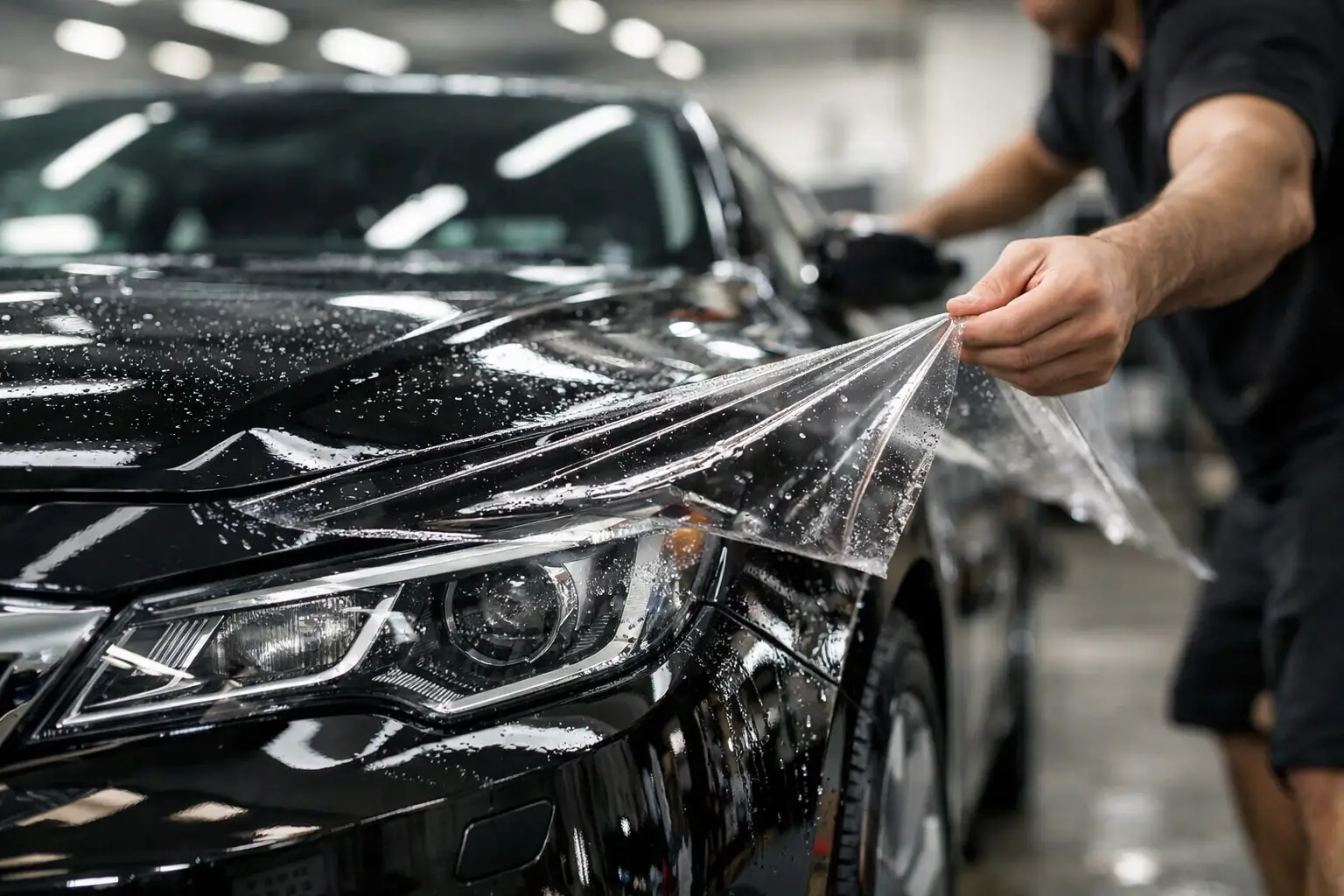
The first stone chip usually happens earlier than owners expect. A fresh bonnet meets an expressway pebble, a door edge catches a tight carpark pillar, or bird droppings sit too long under Singapore’s heat. For drivers considering paint protection film Singapore services, the real question is not whether wear will happen, but how much of it you are willing to accept on a car you intend to preserve.
For premium and enthusiast vehicles, paint is not just colour. It is part of the car’s identity, its presentation, and ultimately its retained value. In Singapore’s climate, that finish is constantly under pressure from UV exposure, road grit, acidic contaminants, tree sap, construction dust, and repeated washing. Paint protection film, or PPF, exists for one reason – to take that abuse before your factory paint does.
What paint protection film in Singapore actually does
PPF is a transparent urethane film professionally applied over painted surfaces. Its role is physical protection. Unlike a coating, which mainly improves hydrophobic behaviour, gloss, and ease of cleaning, PPF forms a sacrificial barrier against direct impact and abrasion.
That distinction matters. If your concern is swirl marks from washing, light surface marring, or easier maintenance, a coating may address part of the problem. If your concern is stone chips on the front bumper, scratches around the door handle area, or damage from daily urban driving, film is operating in a different class altogether.
Modern premium films are optically clear, flexible, and designed to conform closely to body panels. Many also feature self-healing top layers, allowing minor wash marks or light surface swirls to recover with heat. On a properly prepared car, the result is protection that is visible mainly in what does not happen to the paint over time.
Why paint protection film Singapore owners choose is different from other markets
Singapore is not a market where cars gently age in dry, mild conditions. The environment is compact, humid, and demanding. Daily use often means basement carparks, close-quarters parking, exposure to intense sunlight, and regular encounters with road contaminants. Even when mileage is modest, cosmetic wear still accumulates.
A car here may not face winter salt, but it does face relentless UV exposure, high surface temperatures, bird droppings that etch quickly, tropical rain carrying airborne grime, and densely packed traffic that increases the odds of road debris. If the car is dark-coloured, every small defect announces itself faster.
This is why PPF tends to appeal to a very specific type of owner in Singapore – someone who understands that prevention is cheaper, cleaner, and more convincing than repainting later. Repainted panels can restore appearance, but they do not recreate untouched factory paint in the eyes of a discerning buyer.
Where PPF makes the most sense
Not every owner needs full-body film. This is where thoughtful planning matters more than blanket advice.
For many vehicles, the highest-risk areas are the front bumper, bonnet, front fenders, side mirrors, headlights, door cups, door edges, boot ledge, and side skirts. These are the surfaces that absorb most of the damage from road use and daily contact. A front-end package can already intercept much of the wear that affects visual condition and resale appeal.
Full-body PPF makes the most sense for owners of luxury, exotic, performance, or new high-value vehicles where preserving every painted surface carries clear long-term value. It is also well suited to dark finishes, soft paint systems, and cars that are driven frequently on expressways.
On the other hand, if the vehicle is older, already has multiple paint defects, or is kept mainly as a practical daily car with limited concern for cosmetic perfection, a targeted installation may be the more rational choice. Premium protection should match the ownership goal, not just the brochure.
Is PPF better than ceramic coating?
This is one of the most common questions, and the answer depends on what you expect the product to do.
PPF is better at impact resistance and preserving paint from physical damage. Ceramic coating is better at enhancing gloss, improving water behaviour, and making regular cleaning easier. They are not direct replacements for each other.
For owners who want the highest standard of preservation, the most effective approach is often complementary rather than either-or. Film protects the vulnerable surfaces from chips and scratches, while coating can be applied over appropriate areas to improve maintenance and finish. That is the connoisseur’s approach – each layer serving a distinct purpose.
The mistake is choosing coating while expecting film-level protection. A coating will not stop a stone from chipping your bumper. It was never designed to.
What determines whether PPF is worth the price
PPF is not a low-cost service, and premium installations should not be. The material itself is advanced, but the true value lies in preparation, pattern accuracy, panel treatment, edge finishing, and installer experience.
A poor installation can leave visible edges, trapped contamination, lifted corners, stretch marks, silvering, or inconsistent alignment. On a prestige vehicle, that defeats the point. Protection should preserve the vehicle’s elegance, not interrupt it.
So is it worth it? For the right owner, yes – especially when the car is new or in excellent condition. The cost of quality film is often easier to justify when compared with repeated paint correction, chip touch-ups, partial resprays, or the quiet depreciation that comes from visibly tired paint.
It becomes less compelling when applied too late, chosen purely on price, or installed by a workshop that treats film as a generic add-on rather than a specialist craft. PPF rewards precision. It does not reward shortcuts.
What to look for in a paint protection film Singapore specialist
The first sign of a credible installer is not marketing language. It is process discipline.
Proper PPF work begins with paint assessment and surface preparation. Even a new car may arrive with dealership swirls, transport contamination, or minor defects. If these are sealed under film, they remain there. A specialist should explain what preparation is required and why.
Material quality also matters. Premium films differ in clarity, top-coat performance, stain resistance, self-healing behaviour, and long-term durability in heat and humidity. The installer should be able to explain those differences without reducing the conversation to warranty years alone.
Then there is execution. Clean edge work, intelligent panel coverage, careful relief cuts where necessary, and a refined final appearance are what separate luxury-grade installation from average workmanship. If the workshop cannot speak confidently about fitment philosophy and long-term maintenance, that is a concern.
At EA Detailer, the philosophy is straightforward – protection should honour the vehicle, not merely cover it. For owners who see their car as a rolling asset and a statement of standards, that distinction matters.
How long does PPF last in Singapore?
Longevity depends on film quality, installation standards, exposure conditions, and maintenance habits. In Singapore, high heat and outdoor parking can accelerate wear on any protective surface, but premium film is engineered for exactly this kind of pressure.
A well-installed product can provide years of meaningful protection, especially when washed correctly and maintained without harsh treatment. That said, PPF is still a sacrificial layer. Over time, it may accumulate the marks and contamination that would otherwise have landed on your paint. That is not failure. That is the material doing its job.
Owners should also understand that PPF is not invisibility magic. Certain edges may remain faintly detectable on close inspection depending on panel shape and installation method. The goal is not absolute invisibility under forensic lighting. The goal is elegant, durable paint preservation in real-world use.
Who should seriously consider it
If you have just taken delivery of a new luxury vehicle, plan to keep your car in exceptional condition, drive regularly on expressways, or care about preserving original paint for future resale, PPF deserves serious consideration. The same applies if you own a black, navy, or deep metallic finish that shows every flaw under direct light.
If your ownership style is more practical and you simply want easier washing with improved gloss, a coating may be enough. There is no virtue in overbuying protection that does not match your priorities. The right answer is the one that protects your vehicle appropriately, not theatrically.
The art of preservation is rarely about waiting for damage and reacting well. It is about making early decisions that keep a fine vehicle closer to its intended condition for longer. In Singapore, where cosmetic wear arrives quietly but consistently, paint protection film is less a trend than a disciplined ownership choice.
