

Can Window Tint Block UV? What Drivers Need

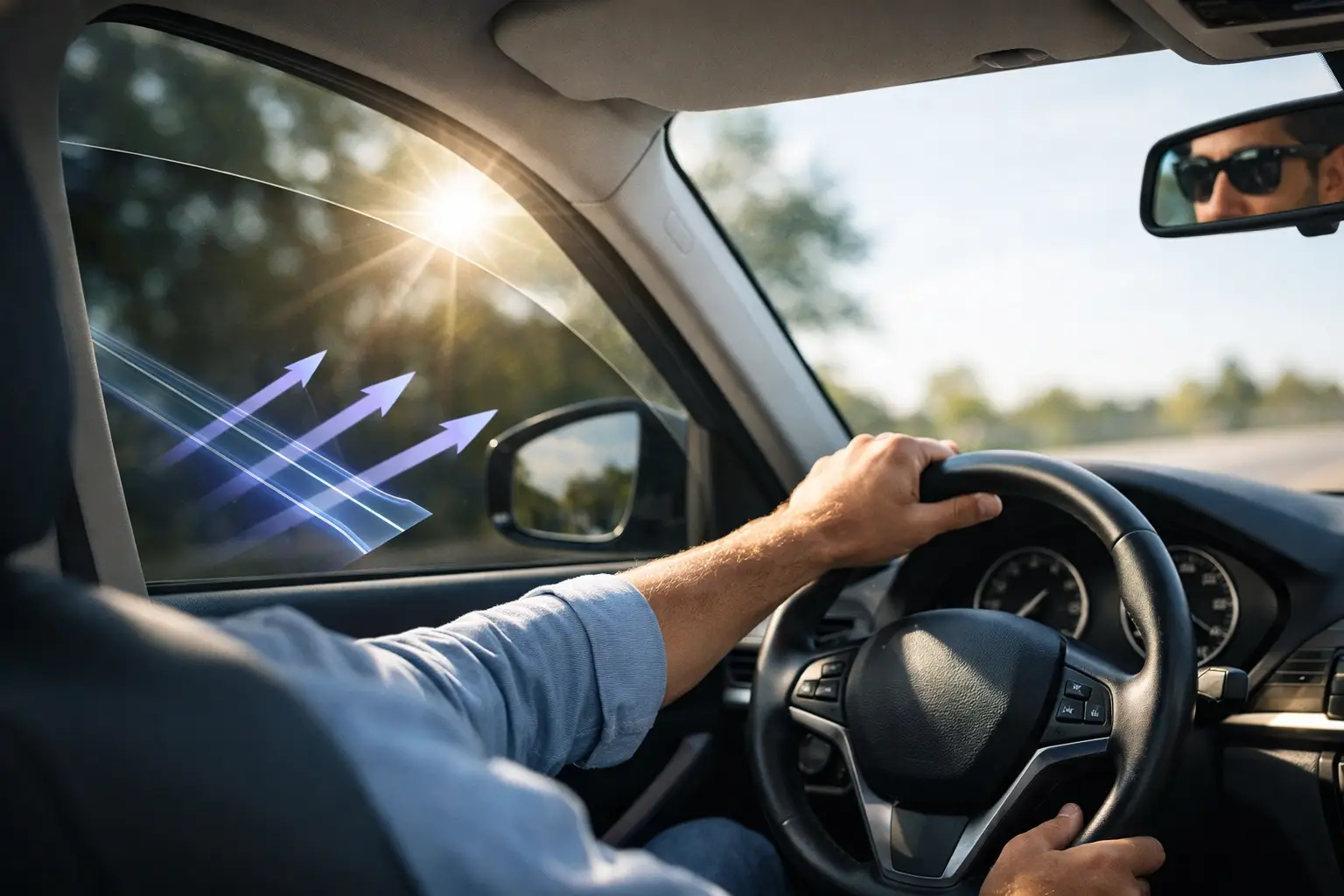
A leather dashboard can look pristine at collection, then slowly lose its depth under years of tropical sunlight. Trim turns chalky, stitching dries, and the cabin that once felt tailored begins to show its age. So, can window tint block UV? Yes – when the right automotive film is selected and professionally installed, it can reject the overwhelming majority of ultraviolet radiation while making every journey more comfortable.
For discerning owners, window tint is not simply a darker appearance or a way to reduce glare at traffic lights. It is a protective layer between the sun and the materials, people and details that define the ownership experience.
Can window tint block UV effectively?
Quality automotive window tint can block up to 99% of UV radiation, depending on the film specification and installation coverage. This level of rejection is far more meaningful than the darkness of the glass. A film can appear relatively light yet provide exceptional UV protection, while a dark, low-grade film may offer inconsistent performance, poor optical clarity and limited durability.
The key distinction is between visible light transmission, commonly called VLT, and UV rejection. VLT describes how much visible light passes through the glass and film. It affects how bright the cabin looks and whether the vehicle remains compliant with local requirements. UV rejection refers specifically to the film’s ability to filter ultraviolet wavelengths.
These figures should never be treated as interchangeable. Choosing the darkest film because it looks protective is a common mistake. A premium film is engineered to manage solar energy selectively: it can reject UV radiation, reduce infrared heat and preserve visibility without unnecessarily compromising the refined appearance of the vehicle.
UV is a cabin preservation issue
Ultraviolet light is associated with skin exposure, but its effect on a vehicle is equally relevant. Over time, sunlight can accelerate fading and material fatigue across leather, synthetic leather, plastics, wood-effect trims, fabric and display surrounds. It can also place constant strain on the adhesives and finishes used throughout the cabin.
Singapore’s climate gives this issue particular urgency. Parked in open-air car parks, a vehicle may sit under direct sun for hours. The exposure is cumulative. It is not one dramatic afternoon that changes the cabin, but hundreds of commutes, weekend stops and airport runs over several years.
Window film helps limit that ongoing burden. It does not replace proper interior care or the use of a sunshade when parked for extended periods, but it gives the cabin a more capable first line of defence every day.
Which UV rays does automotive tint address?
UV radiation is usually discussed as UVA and UVB. UVB is more closely linked to sunburn, while UVA penetrates more deeply and is strongly associated with long-term skin ageing. For drivers, both matter, particularly because UVA can pass through untreated glass more readily than many people assume.
Most factory windscreens already provide a degree of UV filtration because of their laminated construction. However, side windows and rear glass may not deliver the same level of protection. This is where professionally specified window film becomes especially valuable. It creates more consistent protection around the vehicle rather than leaving passengers and cabin surfaces exposed through the side glass.
Not every film performs equally. A credible product specification should state UV rejection clearly, rather than relying on vague claims about heat reduction or darkness. It should also be paired with skilled installation, because poor fitment around edges, dot matrix areas or curved rear glass undermines both appearance and long-term confidence.
UV rejection is only part of the decision
A film that blocks UV is valuable, but it should be assessed as part of a broader solar-control package. The sun carries more than ultraviolet radiation. Visible light causes glare, while infrared energy is a major contributor to the heat felt within the cabin.
This is why a vehicle can have UV protection and still feel hot if the film is not designed to manage infrared heat effectively. Conversely, a film marketed primarily for heat rejection may not be the best choice if it compromises signal performance, visibility or colour neutrality.
For premium vehicles, the right tint should balance several qualities:
- high UV rejection for occupant and interior protection;
- meaningful infrared and total solar energy rejection for thermal comfort;
- clear, low-haze optics that do not distort the road or cabin view;
- stable colour that resists turning purple, bubbling or peeling with age; and
- a legally appropriate VLT level for safe, confident driving.
The final point deserves attention. Singapore’s road and traffic requirements govern allowable light transmission, particularly at the front windscreen and front side windows. An expert installer should guide the selection around compliant specifications rather than treating tint as a purely cosmetic decision. The most elegant result is one that performs beautifully without creating unnecessary visibility, enforcement or inspection concerns.
Why film quality matters more than darkness
Lower-cost dyed films often create an immediate darkened effect, yet their performance can deteriorate under relentless heat. As the dye ages, the film may fade, change colour or lose its visual refinement. More importantly, the cabin may still retain significant heat because darkness does not automatically equal superior solar rejection.
Premium ceramic and advanced multi-layer films take a more sophisticated approach. They are designed to reject solar energy while retaining clarity and, in many cases, avoiding interference with electronic signals. That matters in modern vehicles equipped with navigation, mobile connectivity, keyless entry, in-car cameras and integrated driver-assistance systems.
A well-chosen film should look almost invisible from the driver’s seat. Colours should remain natural. Displays should remain legible. Night driving should not feel compromised by excessive haze or a dim, murky view through the side windows. These are the details that distinguish an installation selected for long-term ownership from a quick visual modification.
Professional installation protects the finish
Even the finest window film needs disciplined installation. Automotive glass includes tight edges, sensors, ceramic frit patterns and complex curvature. A specialist installer prepares the glass meticulously, chooses the correct pattern and applies the film with controlled technique to reduce contamination, lifting and uneven edges.
This matters particularly in a premium cabin, where small imperfections become conspicuous. Trapped dust, silvering, loose corners and poor trimming distract from the vehicle’s craftsmanship. Proper installation also considers the safe handling of door panels, seals and electronics during the process.
At EA Detailer, window tinting is approached as part of a wider preservation strategy. The goal is not merely a cooler-looking glass surface, but a considered solution that supports cabin longevity, daily comfort and the presentation expected of a well-kept vehicle.
What window tint cannot do
It is worth setting clear expectations. Window tint can substantially reduce UV exposure through the glazed areas, but it cannot protect every part of the car from the sun. The dashboard remains exposed through the windscreen, and exterior paint, headlights, tyres and rubber trims face direct environmental wear beyond the reach of window film.
Tint also cannot reverse existing fading, cracked leather or heat-damaged trim. Once the material has degraded, restoration may require specialist interior work. Prevention remains more measured, less disruptive and more cost-effective than repairing years of accumulated exposure.
Nor should tint be treated as permission to leave valuables or delicate items in a parked vehicle. Reduced heat does not eliminate heat build-up, especially when a car is parked in direct afternoon sun. Ventilation, shaded parking and a suitable windscreen sunshade still have a role to play.
Choosing the right tint for your vehicle
The best choice begins with how and where you drive. A vehicle used daily in exposed business districts or open-air residential parking may justify stronger heat-management performance. An enthusiast car driven selectively may prioritise optical purity and an understated finish. Families may place greater value on UV protection and rear-cabin comfort for children and passengers.
Ask to see the actual film, not only a brochure. Examine its colour from inside and outside the vehicle. Clarify its UV rejection, infrared performance, VLT and warranty terms. Most importantly, choose an installer who can explain the trade-offs honestly. A premium recommendation should be tailored to the vehicle, its usage and the owner’s expectations, not simply sold as the darkest option available.
Window tint is one of the few upgrades that protects a vehicle every time it is driven and every time it is parked. Selected with care, it preserves more than a cooler cabin: it helps retain the quiet visual integrity of the interior for the years that matter most.
