

Luxury Car Appearance Protection That Lasts

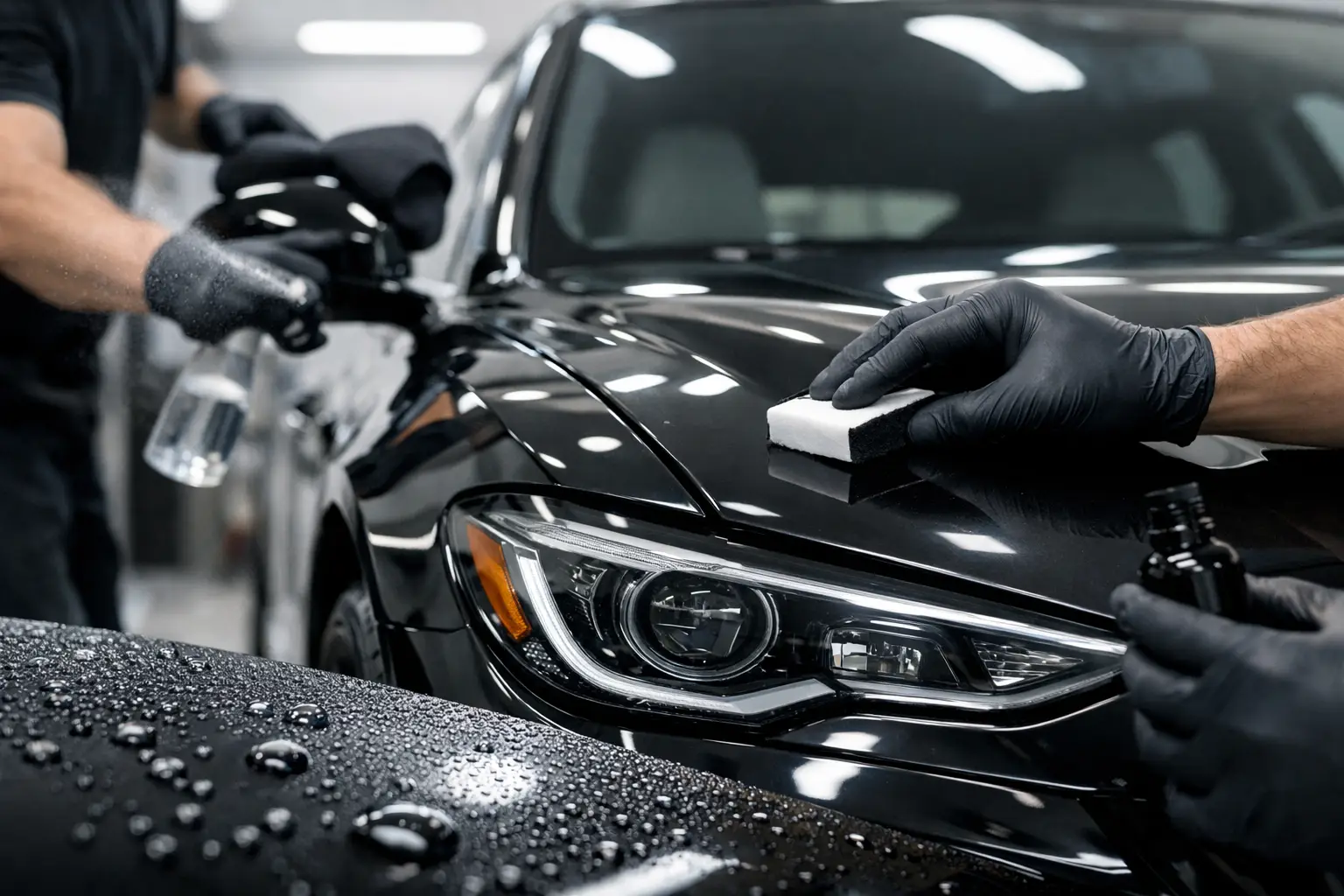
A luxury vehicle can leave the showroom with flawless paintwork, a richly finished cabin and carefully engineered glass, then begin showing wear within months of everyday driving. Luxury car appearance protection is not about chasing a permanent shine. It is a considered preservation strategy that protects the surfaces you see, touch and rely on against Singapore’s heat, rain, road grime and constant urban exposure.
For discerning owners, the objective is clear: retain the integrity of factory finishes for as long as possible. A well-preserved vehicle photographs better, feels more rewarding to own and presents a stronger case when it is time to sell, trade in or hand over to its next custodian.
Luxury Car Appearance Protection Is a System, Not One Product
The exterior of a modern luxury car is a collection of distinct materials. Painted panels, gloss-black trim, satin finishes, wheel faces, windscreens, leather, Alcantara, piano-black interior trim and display screens all age differently. Treating every surface with a single, generic grooming solution is convenient, but it rarely delivers the protection a premium vehicle deserves.
The more intelligent approach is to assess the car’s use, parking conditions, colour, finish and ownership horizon. A daily-driven executive saloon that spends hours in an open-air carpark faces a different risk profile from a weekend grand tourer kept under cover. Likewise, a black vehicle will reveal wash marks more readily than silver paint, while a light-coloured leather cabin may require more frequent maintenance than a darker interior.
This is the art of preservation: selecting the right protective layers for the surfaces that matter most, then maintaining them properly. Paint protection film, protective coatings, window tinting, windscreen protection and specialist interior care each have a role. They are complementary, not interchangeable.
Begin With the Factory Paint
Factory paint is one of the most valuable cosmetic assets on any car. Once it is compromised by deep scratches, bird-dropping etching, stone chips or poorly performed polishing, restoration may improve its appearance, but it cannot truly recreate untouched original paint.
Paint protection film is the leading choice for areas exposed to physical impact. A professionally installed, high-quality film creates a durable barrier over vulnerable panels such as the front bumper, bonnet, front fenders, side mirrors, door edges and lower side sections. These are the areas most likely to encounter loose stones, grit, road debris and careless contact in tight carparks.
For owners who want the highest level of defence, a full-body installation provides consistent protection across the vehicle. This is particularly compelling for darker colours, high-gloss finishes and cars with complex bodywork where repainting can be costly and difficult to colour-match. A partial front-end package, however, remains a sensible choice for vehicles used mainly in city conditions or for owners who prefer to focus their investment on the highest-risk zones.
Film does involve a higher upfront commitment than a coating, and installation quality is decisive. Panel preparation, edge finishing, pattern accuracy and careful treatment around sensors, trims and badges separate an elegant installation from one that distracts from the vehicle. The material should preserve the design of the car, not announce itself.
Coatings Enhance Gloss and Ease of Care
A premium paint protection coating is best understood as a protective finish that improves surface behaviour. It heightens gloss, supports water repellency and makes routine washing less laborious because dirt and contaminants are less likely to bond aggressively to the paint.
It does not offer the same impact resistance as paint protection film. A coating cannot be expected to prevent every stone chip or abrasion. Its value lies in chemical resistance, reduced staining, UV defence and a more refined visual finish. On a car already protected with film, coating exposed painted surfaces, film, wheels and exterior trim can create a more complete maintenance solution.
The decision is not film versus coating in every case. For many luxury owners, film protects the areas that face physical damage, while a coating elevates the appearance and maintenance of the entire vehicle. The right combination depends on how and where the car is driven.
Singapore’s Climate Makes Glass Protection Essential
Tropical driving creates a demanding environment for glass. Sudden rainfall, strong sunlight, traffic haze and oil residue can compromise visibility faster than many owners realise. A windscreen does not need to be cracked to become a safety concern. Fine wiper marks, mineral deposits and embedded contamination can scatter light, producing glare that is especially unpleasant during night rain.
Professional windscreen protection helps maintain clearer glass and supports easier water dispersal. It should be paired with sound maintenance habits: clean wiper blades, timely replacement of worn rubbers and avoidance of harsh wiping when the glass is dry or dusty. No surface treatment can compensate for damaged wipers dragging contaminants repeatedly across the screen.
Window tinting is another meaningful part of appearance protection because it safeguards the cabin as much as it improves comfort. A well-selected, compliant tint can reduce solar heat and UV exposure, helping to preserve leather, trim and interior surfaces from premature fading. For owners who spend considerable time on the road, it also contributes to a calmer, more comfortable cabin environment.
The best tint should be chosen for heat rejection, optical clarity and legal suitability, not simply for the darkest appearance. A refined result should look factory-appropriate while allowing the vehicle’s interior and exterior design to remain the focal point.
Do Not Overlook the Cabin
The cabin is where luxury ownership is experienced most directly. Yet interior materials are routinely subjected to perspiration, body oils, sunscreen residue, food spills, humid air and repeated friction from clothing, bags and child seats. Even an immaculate exterior can feel neglected when leather is shiny from accumulated oils, displays are marked or the cabin carries lingering odours.
Interior sanitisation goes beyond a quick vacuum and fragrance. It addresses the areas that conventional cleaning frequently misses, including high-touch controls, seat creases, carpet fibres and ventilation zones. The goal is a cabin that is clean without being overly dressed, scented or artificially glossy.
Leather requires restraint. Over-conditioning can leave a slippery feel and attract dirt, while aggressive cleaners can dry or discolour delicate finishes. Matte trim, piano-black panels and touchscreens are equally sensitive to incorrect products and rough towels. Premium interior care is material-specific, measured and deliberate.
For vehicles carrying children, pets or frequent passengers, periodic deep cleaning is not indulgence. It is a practical way to protect the condition and comfort that underpin long-term value.
Maintenance Determines the Result
Protection is not permission to neglect the car. Even the finest film and coatings perform better when contaminants are removed promptly and wash methods are controlled. Bird droppings, tree sap, bug residue and industrial fallout should not be left on surfaces for days, particularly under high heat.
The most common avoidable damage comes from improper washing. Dirty wash mitts, recycled water, harsh brushes and rushed drying introduce fine scratches that steadily dull clear coat and gloss-black trim. A vehicle can have excellent protection installed, then lose much of its visual advantage through repeated poor maintenance.
A professional maintenance schedule should reflect real use. A daily-driven car parked outdoors may benefit from more frequent safe washing and periodic decontamination. A lower-mileage vehicle kept in sheltered parking may need less frequent cleaning, but it should still be inspected for dust accumulation, water spotting and contaminants after long periods unused.
It is also wise to have protective surfaces reviewed periodically. Films and coatings should be assessed for performance, edges and exposed areas, while paint correction or refinishing should only be considered when genuinely necessary. Preserving paint thickness is often more valuable than pursuing unnecessary polishing for a short-lived visual improvement.
Choose Protection Around Your Ownership Plan
A three-year lease, a five-year ownership cycle and a long-term collector mindset call for different decisions. The owner preparing for an eventual trade-in may prioritise front-end film, coating and interior care to minimise visible wear. The enthusiast planning to retain a car for a decade may choose broader film coverage and a more disciplined maintenance programme from day one.
There is no merit in paying for protection that does not suit the vehicle’s real exposure. Equally, delaying protection until after chips, stains and swirl marks have accumulated can mean spending more on correction before preservation can begin. The strongest time to protect a new vehicle is while its original surfaces are still at their best.
EA Detailer approaches this decision as a consultation rather than a one-size-fits-all package. The finish, driving pattern and expectations of the owner should determine the treatment plan, with workmanship and material quality given the same attention as the service selected.
Your car does not need to be a concours showpiece to deserve thoughtful care. Start by protecting the surfaces that face the greatest daily risk, maintain them with discipline, and let every future drive reflect the condition you intended to keep.
