

Does Paint Protection Film Yellow in Singapore?

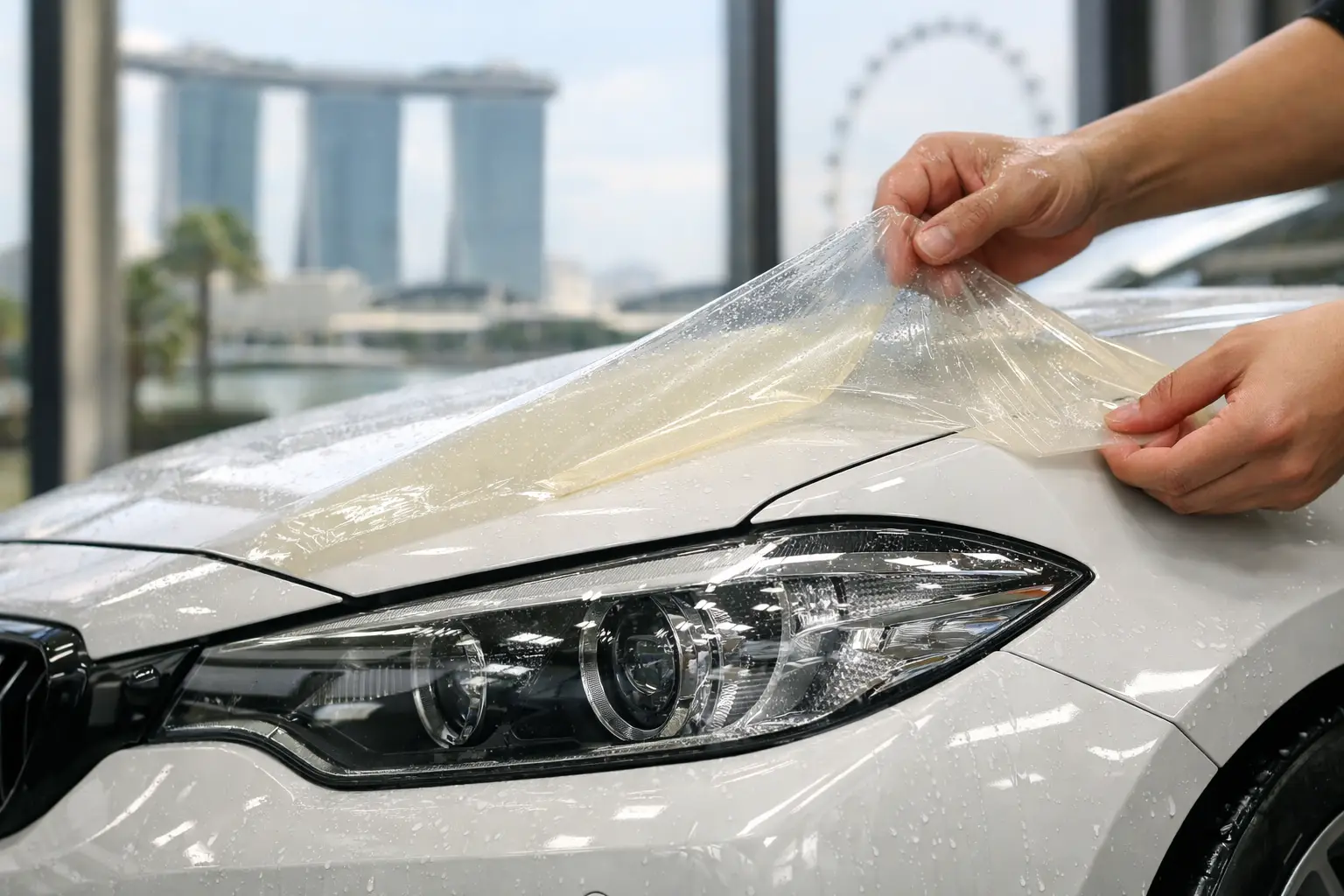
A white bonnet that has taken on a faint cream cast is not a detail any discerning owner can ignore. So, does paint protection film yellow? It can, particularly when older or lower-grade films are exposed to sustained UV radiation, heat and contamination. Yet a premium modern film, selected correctly and installed with care, is engineered to resist the yellowing that gave early generations of PPF a mixed reputation.
For Singapore owners, this distinction matters. Our climate places every exterior surface under continual pressure from intense sunlight, humidity, road grime and urban pollutants. Paint protection film should preserve the original character of factory paint, not alter it. The quality of the material, the condition of the paint beneath it and the standard of aftercare all determine whether the finish remains beautifully clear over time.
Does Paint Protection Film Yellow? The Direct Answer
Paint protection film is a transparent urethane layer designed to absorb the punishment that would otherwise reach the paintwork: stone chips, light abrasion, insect residue, road contamination and minor scuffs. Yellowing occurs when the film itself degrades or when staining becomes trapped within its surface.
Older films, especially those made without advanced UV inhibitors or a durable top coat, were more susceptible to oxidation and discolouration. The risk was most visible on white, silver and light-coloured vehicles, where even a mild shift in tone could be apparent against untouched paint.
Contemporary premium PPF is a very different proposition. Reputable products are formulated with UV-stable aliphatic polyurethane and protective top layers that help resist oxidation, staining and environmental ageing. Many also offer self-healing properties, allowing light wash marks and superficial swirls to soften with heat. That does not make any film invulnerable, but it significantly improves clarity retention when compared with dated or bargain-grade alternatives.
The practical answer is therefore nuanced: high-quality PPF should not noticeably yellow within its intended service life when it is professionally installed and properly maintained. If a vehicle develops obvious yellowing early on, the film quality, installation history or maintenance routine deserves closer examination.
Why Film Discolouration Happens
Yellowing is rarely caused by one factor alone. It is usually the result of material quality meeting a demanding environment over several years.
UV exposure and tropical heat
Ultraviolet light is the primary long-term enemy of transparent exterior materials. In Singapore, a vehicle parked outdoors regularly receives concentrated sun exposure, while high surface temperatures accelerate chemical ageing. A film without sufficient UV protection may gradually oxidise, creating a yellow or amber appearance.
Premium films are designed to filter and withstand UV exposure, but they still benefit from sensible ownership habits. Covered parking, regular washing and prompt removal of contaminants reduce unnecessary stress on the surface.
Low-grade materials and ageing stock
Not all PPF is manufactured to the same standard. Some films look clear on installation day but lack the chemistry required for prolonged optical stability. Others may have been improperly stored before installation, exposed to excessive heat or held beyond an ideal storage period.
This is why material provenance matters as much as the showroom presentation. A premium protection installation begins with an established film system, traceable product support and a specialist who understands its behaviour on different paint colours and panel shapes.
Contamination mistaken for yellowing
What appears to be yellow film is not always yellow film. Embedded traffic film, mineral deposits, neglected bird-dropping etching, industrial fallout and staining from harsh chemicals can cloud or discolour the surface. On white paint, contamination around panel edges and high-impact zones may make the contrast particularly obvious.
A professional assessment can separate removable surface staining from permanent material degradation. Attempting to correct the issue with aggressive polishing or strong solvents is a poor substitute for diagnosis. PPF has a finite thickness and a specialised top coat; unsuitable products can compromise the very layer intended to protect the car.
Adhesive changes and edge staining
In some cases, the discolouration is concentrated near an edge, seam or wrapped area rather than across the entire panel. This may point to contamination entering an exposed edge, adhesive ageing, poor preparation before installation or moisture-related issues. It does not necessarily mean the entire installation has failed.
Targeted repair or replacement may be possible, provided the paint beneath is evaluated carefully. The objective is always to restore a consistent finish without creating unnecessary risk to the original paintwork.
How to Tell Yellowing From Normal Film Ageing
A close inspection in natural daylight is more revealing than a quick glance under workshop lighting. Compare the protected panel with an adjacent area that has not been covered, such as an inner door jamb or the section beneath a badge. Look for a uniform warm tint, cloudy patches, uneven gloss or a distinct colour shift along film boundaries.
Do not confuse yellowing with surface haze after rain, water spotting or temporary residue from a wash product. These may be correctable. True film yellowing tends to remain after careful decontamination and becomes more noticeable at an angle, especially on white and pale metallic paint.
The age of the film provides useful context. A well-maintained, premium installation that still looks optically clear after years of service is performing as intended. A film that changes colour quickly, becomes brittle or shows extensive edge lift warrants a professional review rather than further home treatment.
Choosing PPF That Stays Clear
The most effective prevention happens before the first panel is covered. Do not judge paint protection film solely by thickness, price or a demonstration of self-healing. Optical clarity, UV stability, top-coat technology, adhesive quality and manufacturer-backed warranty terms all influence the ownership experience.
For a luxury or enthusiast vehicle, a tailored installation also matters. Full-front protection, high-impact zones or full-body coverage each create different exposure patterns and visual expectations. White paint demands particular attention because any inconsistency is easier to detect, while darker colours reveal haze and swirl marks more readily.
At EA Detailer, the installation process is approached as preservation work rather than a simple application. Paint condition is inspected first, necessary correction is considered before coverage, and the film is installed to complement the vehicle’s existing finish. This groundwork is what allows a premium material to look discreet rather than added-on.
Maintenance That Protects the Film’s Clarity
PPF does not require complicated rituals, but it does reward disciplined care. Wash the vehicle regularly with pH-neutral automotive shampoo, clean bird droppings and tree sap promptly, and avoid leaving fuel spills or insect residue to bake onto the surface. A soft wash routine limits avoidable abrasion and keeps contaminants from accumulating at edges.
Avoid abrasive compounds, highly alkaline cleaners and unverified detailing chemicals. Automatic brush washes are equally unkind to film and paint, as trapped grit can create repeated micro-scratching. If you use a pressure washer, keep a sensible distance from seams and edges rather than directing a concentrated jet at them.
A compatible maintenance treatment can make routine washing easier and enhance water behaviour, but it should be selected for the film rather than chosen at random. The goal is not to pile products onto the surface. It is to retain the clear, smooth finish that makes protection film nearly invisible.
When Should Yellowed PPF Be Replaced?
Replacement is appropriate when discolouration is permanent and visible, when the film has become brittle, or when staining and edge failure detract from the vehicle’s appearance. A damaged section can sometimes be replaced individually, particularly on a bumper, mirror cap or bonnet. Whether this blends perfectly depends on the age of the remaining film and any difference in exposure between panels.
There is one further consideration for owners who intend to keep their cars in exceptional condition: do not wait until a failing film becomes difficult to remove. A quality film installed over sound factory paint is designed for clean removal within its recommended service window. Excessive ageing, inferior adhesive and neglected edges can make removal more laborious and less predictable.
A clear film should allow the paintwork to command attention, not become the feature that dates the car. Treat early haze, unusual staining or colour change as a reason for an expert inspection, and your protection strategy can continue to preserve the finish with the quiet precision it was meant to deliver.
