

Why Car Window Tinting Matters in Singapore
 ead admin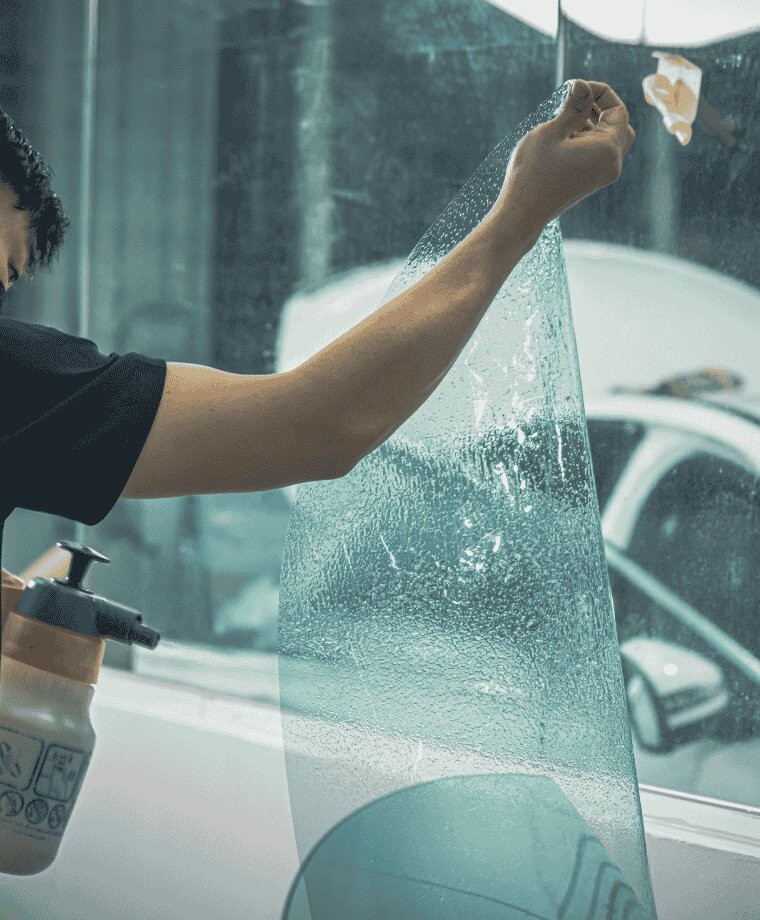
Car window tinting is an essential upgrade for many vehicle owners in Singapore. With the tropical climate, high humidity, and consistent exposure to sunlight, tinting films offer a wide range of benefits—from heat reduction to enhanced privacy. Whether you’re looking to reduce glare while driving or protect your interior from UV damage, choosing the right type of window tint film can make a significant difference.
In this blog, we will explore the various types of car window tinting films available in Singapore, their benefits, and how to select the right one for your vehicle.
What Is Car Window Tinting?
Car window tinting refers to the process of applying a thin film to the windows of a vehicle. The film is designed to block certain percentages of light from entering through the glass. It can be applied to all windows or just the front and rear windows, depending on the desired result. The tinting film is typically made from materials like polyester, and it can come in various shades and levels of darkness. The main purpose of window tinting is to control the amount of sunlight and UV rays that enter the car, ultimately enhancing comfort, privacy, and safety.
Why Car Window Tinting Is Essential in Singapore
Singapore’s hot and humid climate creates a perfect environment for car window tinting. The intense sun not only causes the car’s interior to heat up but also leads to fading of upholstery and dashboard materials over time. Additionally, the glare from the sun can make driving uncomfortable and potentially hazardous.
Car window tinting can offer the following benefits:
- Heat Reduction: Tinted windows block a significant amount of heat, ensuring a more comfortable driving experience, especially during peak hours.
- UV Protection: A good quality film can block harmful UV rays that cause skin damage and premature ageing.
- Privacy and Security: Tinted windows provide greater privacy, making it harder for others to see inside your car. This can deter theft and offer peace of mind.
- Glare Reduction: Reduces the glare from the sun and headlights of other vehicles, enhancing driving visibility and reducing eye strain.
To get the best results, it’s important to understand the types of films available. Let’s delve into the various types of car window tinting films that are popular in Singapore.
Types of Car Window Tinting Films
1. Dyed Window Tint Films
Dyed window tint films are one of the most common types of window films used in cars. As the name suggests, the film is coloured by dye, which helps to block sunlight and heat.
Benefits:
- Affordable: Dyed films are among the least expensive options, making them a popular choice for budget-conscious vehicle owners.
- Privacy: Provides a decent level of privacy due to its dark appearance.
- Aesthetically Pleasing: Dyed films offer a sleek, uniform look that complements many vehicle designs.
Disadvantages:
- Heat Reduction: While they block visible light, dyed films are less effective in blocking infrared rays and heat.
- Fading Over Time: The dye may degrade with prolonged exposure to the sun, leading to a faded appearance.
Best For:
Vehicle owners seeking an affordable tinting solution that offers moderate heat rejection and privacy. However, those who live in extremely hot areas may prefer a more advanced option.
For more information on how to protect your vehicle’s interior, you may want to check out EA Detailer, where they offer expert tinting services.
2. Metalised Window Tint Films
Metalised tinting films are made by embedding tiny metallic particles into the film. These particles reflect light and heat away from the car, making them highly effective at reducing heat.
Benefits:
- Superior Heat Rejection: Reflects infrared radiation, significantly reducing heat buildup inside the car.
- Durability: The metal particles make the film more durable and resistant to fading.
- Scratch Resistance: The metallic coating adds a layer of protection against scratches and chips.
Disadvantages:
- Signal Interference: The metal in the film can interfere with electronic devices like GPS, radio signals, and mobile phone reception.
- Cost: Generally more expensive than dyed films due to the advanced technology used in their manufacturing.
Best For:
Drivers who prioritise heat reduction and durability and are willing to invest in a more premium solution. Ideal for those in tropical climates like Singapore, where heat can be an issue year-round.
3. Ceramic Window Tint Films
Ceramic window tint films are considered one of the most advanced options on the market today. Made from ceramic particles, this type of tinting offers superior performance in terms of heat rejection and UV protection.
Benefits:
- Excellent Heat Rejection: Heat rejection varies by film series, shade and glass combination. Compare tested total solar energy rejected (TSER) figures and their test conditions.
- UV Protection: Provides superior protection against UV rays, helping to prevent skin damage and fading of car interiors.
- No Signal Interference: Ceramic films generally avoid the signal-interference risks associated with metallic layers; compatibility should still be checked for the vehicle and installation.
- Durability: These films are known for their longevity and resistance to fading.
Disadvantages:
- Price: Pricing varies by brand, film series, vehicle and installation scope; ceramic technology alone does not determine price.
- Availability: Not all tinting service providers offer ceramic films, so it’s important to ensure that the service provider you choose offers this option.
Best For:
Those who want the best in heat rejection, UV protection, and durability. Ceramic window films are perfect for those who live in areas with intense sunlight and want long-lasting results.
4. Hybrid Window Tint Films
Hybrid films combine the best of dyed and metalised films, offering a balance between cost, heat rejection, and durability. They typically consist of a thin layer of metalised film combined with a layer of dyed film.
Benefits:
- Moderate Heat Rejection: Offers a good balance between heat rejection and affordability.
- Improved Privacy: Hybrid films often have darker shades that enhance privacy.
- Aesthetic Appeal: Hybrid films tend to have a sleek, uniform look that enhances the appearance of the vehicle.
Disadvantages:
- Durability: While hybrid films are more durable than dyed films, they may not be as long-lasting as ceramic or metalised films.
Best For:
Drivers who want a compromise between cost and performance, especially if they are looking for a good balance of heat rejection, privacy, and aesthetic appeal.
Legal Considerations for Car Window Tinting in Singapore
Singapore’s Land Transport Authority (LTA) requires the completed glass-and-film installation to meet these requirements:
- The front windscreen and both front side windows must allow at least 70% visible light transmission (VLT).
- The rear windscreen and both rear side windows must allow at least 25% VLT.
- Tinted films must be non-reflective.
- Front-windscreen film must not interfere with signals between the In-vehicle Unit (IU) and ERP gantries.
These limits apply to the final glass-and-film combination, not the film specification alone. Original glass, including factory-tinted glass, already affects light transmission. A film labelled 70% VLT does not automatically produce 70% VLT after installation. Measure the finished installation to assess compliance. LTA-authorised inspection centres can test compliance.
Choose a specification that balances visibility, comfort and electronic compatibility. Darker film does not automatically provide better heat rejection.
Source: LTA Vehicle Technologies and Modifications. Regulatory wording checked: 13 October 2026.
Choosing the Right Car Window Tinting Film for Your Vehicle
Selecting the right type of car window tinting film depends on your priorities and needs. Consider the following factors:
- Climate: If you’re in a very hot area, like Singapore, films with superior heat rejection, such as ceramic or metalised films, may be the best option.
- Privacy: If you prefer privacy, darker films like dyed or hybrid films might be the right choice.
- Budget: Dyed and hybrid films are more affordable, while ceramic and metalised films offer premium performance but come at a higher cost.
- Regulations: Ensure that your chosen tinting complies with Singapore’s LTA rules.
Give Your Car a New Look!
Understanding the different types of car window tinting films available in Singapore is crucial for selecting the right option for your vehicle. Whether you’re prioritising heat rejection, privacy, or aesthetics, there’s a tint film tailored to your needs. With the right film, you can enjoy a cooler, more comfortable driving experience while also protecting your vehicle’s interior from harmful UV rays. Ensure that you consult with a professional tinting service provider like EA Detailer to help you make the right choice.
FAQs
- How long does car window tinting last?
Car window tinting typically lasts 5-10 years, depending on the quality of the film and maintenance. High-quality films like ceramic tend to last longer. - Can I tint my car windows myself?
While DIY kits are available, professional installation is recommended for the best results. Poor installation can result in air bubbles, peeling, and ineffective performance. - Is window tinting legal in Singapore?
Yes, but there are specific regulations on the level of tint allowed on different windows. Make sure to follow the LTA guidelines. - Can window tinting films block UV rays?
Yes, high-quality tint films can block up to 99% of harmful UV rays, helping protect both your skin and your car’s interior. - How much does window tinting cost in Singapore?
The cost varies depending on the type of film and the vehicle. Dyed films are the most affordable, while ceramic films can cost more due to their superior performance.
