

Automotive Tint Film Review for Singapore Cars

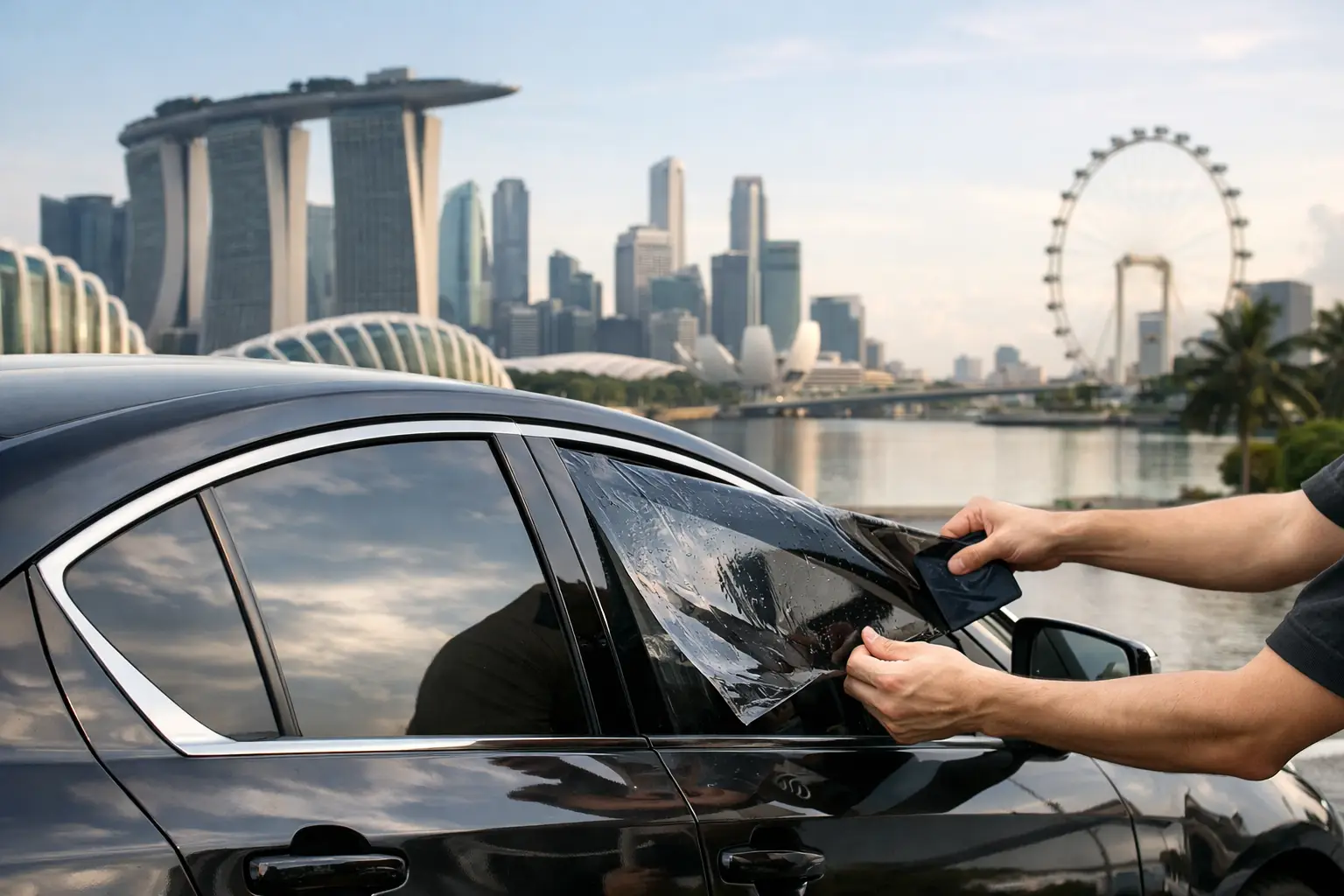
A cabin that still feels composed after an afternoon parked outdoors is not a luxury reserved for a new car. It is the result of selecting the right film, reading beyond impressive headline percentages, and insisting on meticulous installation. This automotive tint film review examines what discerning Singapore owners should assess before treating window tint as a long-term comfort and preservation decision.
Window tinting is often sold as a darker finish or a quick fix for solar heat. Premium film should do considerably more. It should manage infrared heat, filter ultraviolet exposure, retain excellent outward visibility, complement the vehicle’s glass and electronics, and remain visually refined over years of tropical use.
What a Premium Tint Film Must Achieve
Singapore’s climate places sustained demands on automotive glazing. Intense sunlight, high ambient temperatures, humidity and frequent stop-start traffic can leave a cabin heat-soaked before the journey even begins. The effects are felt in more than passenger comfort. Leather, trim, displays and interior finishes are exposed to repeated thermal and UV stress, while air-conditioning must work harder to restore a comfortable cabin.
A well-chosen tint film reduces the solar load entering through the glass. This can make the car more pleasant on entry and help the air-conditioning system stabilise the cabin more efficiently. Yet heat reduction is only one part of the decision. A film that looks acceptable on a sample card but introduces haze, glare or an unnatural hue after installation is not suitable for a vehicle whose cabin is meant to feel considered.
The right choice depends on the vehicle, its factory glass, how it is parked, the owner’s tolerance for visible tint, and the legal light-transmission requirements applicable to each window. There is no single percentage or product category that is automatically best.
Automotive Tint Film Review: The Figures That Matter
Tint-film specifications can be persuasive, but they are not always presented in a way that makes comparison easy. The most useful review starts by separating the figures.
Visible light transmission, or VLT, describes the amount of visible light that passes through the glass-and-film combination. A lower VLT appears darker. It is not a direct measure of heat performance. A high-performing ceramic film may remain relatively light in appearance while offering meaningful solar control, whereas a darker low-grade film may reduce visibility far more than it reduces heat.
Total solar energy rejected, often shown as TSER, is a broader measure of a film’s ability to reject solar energy. It considers more than one part of the solar spectrum and is generally more useful than a single infrared-rejection claim. Even then, compare like with like. A TSER value quoted for film alone may differ from the installed performance on your vehicle’s original glass.
Infrared rejection deserves careful reading. Some brands advertise exceptionally high infrared figures based on a narrow range of wavelengths. That does not necessarily translate into the same real-world cabin performance across the full spectrum of solar energy. Ask how the figure was measured and whether the installer can explain it plainly.
Finally, ultraviolet rejection protects occupants and interior materials from a significant portion of UV exposure. High-quality films commonly block the vast majority of UV radiation. It is a valuable benefit, but not the only reason to choose one film over another.
Ceramic, Metallised or Dyed Film?
Film construction defines both performance and compromises. Dyed films are usually the entry-level option. They create a darker appearance and can reduce glare, but their heat rejection and long-term colour stability are typically more limited. For a premium vehicle, the initial saving can look less compelling once fading, discolouration or diminished performance enters the picture.
Metallised films can offer strong heat control, but their metallic layers may interfere with mobile reception, GPS, keyless-entry systems or in-car communications. This concern varies by vehicle and film design, but it should be discussed before installation, especially in technology-rich executive and luxury cars.
Ceramic films are often the more sophisticated choice. Their non-metallic construction can deliver high infrared and solar rejection while preserving connectivity and allowing a lighter, more natural-looking finish. The cost is higher, but so is the potential for a more elegant result: clear glass, reduced solar burden and no overly dark visual statement.
Hybrid constructions occupy the middle ground. They may offer credible performance at a more moderate price, though the precise material composition, warranty support and optical quality remain more important than the category name alone.
Clarity Is Part of the Driving Experience
The best tint is not simply the film that keeps the cabin coolest on paper. It should also preserve a clean view through the windscreen and side glass in rain, at night and when navigating covered car parks. This is where premium films distinguish themselves.
Look for low haze and consistent colour. A film should not create a milky appearance when looking through the glass at an angle, nor should it give white vehicles, street lighting or digital displays an obvious green, purple or brown cast. These details may seem minor during a brief showroom demonstration, but they become noticeable over thousands of kilometres.
Night-time visibility warrants particular care. A darker film can reduce glare and increase privacy, but excessive darkness can make it harder to identify cyclists, pedestrians and kerbs in poorly lit areas. The most refined solution is usually a legal, balanced specification that delivers heat management without compromising the driver’s confidence after dark.
Installation Quality Determines the Final Result
Even a leading film can look ordinary when installed carelessly. Window tinting is a precision service. The glass must be thoroughly prepared, the film accurately shaped, edges cleanly finished and moisture allowed to cure properly. Dust, trapped contaminants, uneven edges and careless trimming are not merely cosmetic defects. They undermine the standard of a vehicle that has otherwise been maintained with intention.
The installer should also assess existing glass condition before starting. Fine scratches, chips, old adhesive residue and damaged demister lines can affect the outcome. Rear windscreens, curved glass and windows with complex seals require particular experience. A professional should explain what is achievable, rather than promising a flawless result where the glass itself has limitations.
For cars with cameras, antennas, heads-up displays or advanced driver-assistance systems, installation planning matters further. The film selection and placement must respect these components. A careful consultation is not an unnecessary delay. It is how a tailored installation avoids unintended compromises.
Legal Compliance Should Never Be an Afterthought
A tint film must satisfy Singapore’s prevailing vehicle light-transmission regulations. Requirements may differ by glazing area and can change, so a reputable specialist should verify the proposed glass-and-film combination rather than relying on a film’s stated VLT alone.
Factory privacy glass complicates this assessment. Because the original glass already absorbs a portion of visible light, adding film can produce a darker final reading than expected. The correct process is to measure the vehicle, recommend a compliant option and retain the documentation that supports the installation. A costly film that fails an inspection is not a premium outcome.
How to Judge Value Beyond the Quotation
Tinting quotations can vary widely because the value is not only in a roll of film. It lies in material quality, optical performance, installer skill, warranty credibility and aftercare. A lower-priced option may be reasonable for a short ownership horizon or a secondary vehicle. For a car intended to remain immaculate and comfortable for years, it can be false economy.
Ask what the warranty covers. Colour change, bubbling, peeling, adhesive failure and demisting concerns should be addressed clearly. Also ask how the installer handles a genuine defect. A warranty is meaningful only when the business has the expertise and commitment to stand behind its work.
Avoid choosing solely by the highest advertised heat-rejection number. Instead, compare the final specification: legal VLT, full-spectrum solar control, clarity, signal compatibility, finish quality and the confidence of the installer. This is a more reliable definition of value.
A More Considered Choice for Daily Motoring
A premium tint treatment should feel almost invisible once installed. The glass remains clear, the cabin feels calmer, the interior is better shielded from relentless sun, and the car retains the polished character expected of a well-preserved asset. At EA Detailer, the right tint recommendation begins with the car, its glazing and the owner’s daily driving conditions, not a one-size-fits-all shade.
Choose film as you would choose any protective finish for a valued vehicle: with attention to material integrity, craftsmanship and the result you will live with every day. The quiet comfort of a cooler, clearer cabin is one of the most immediate rewards of proper automotive preservation.
