

Your Guide to Premium Window Tinting Films

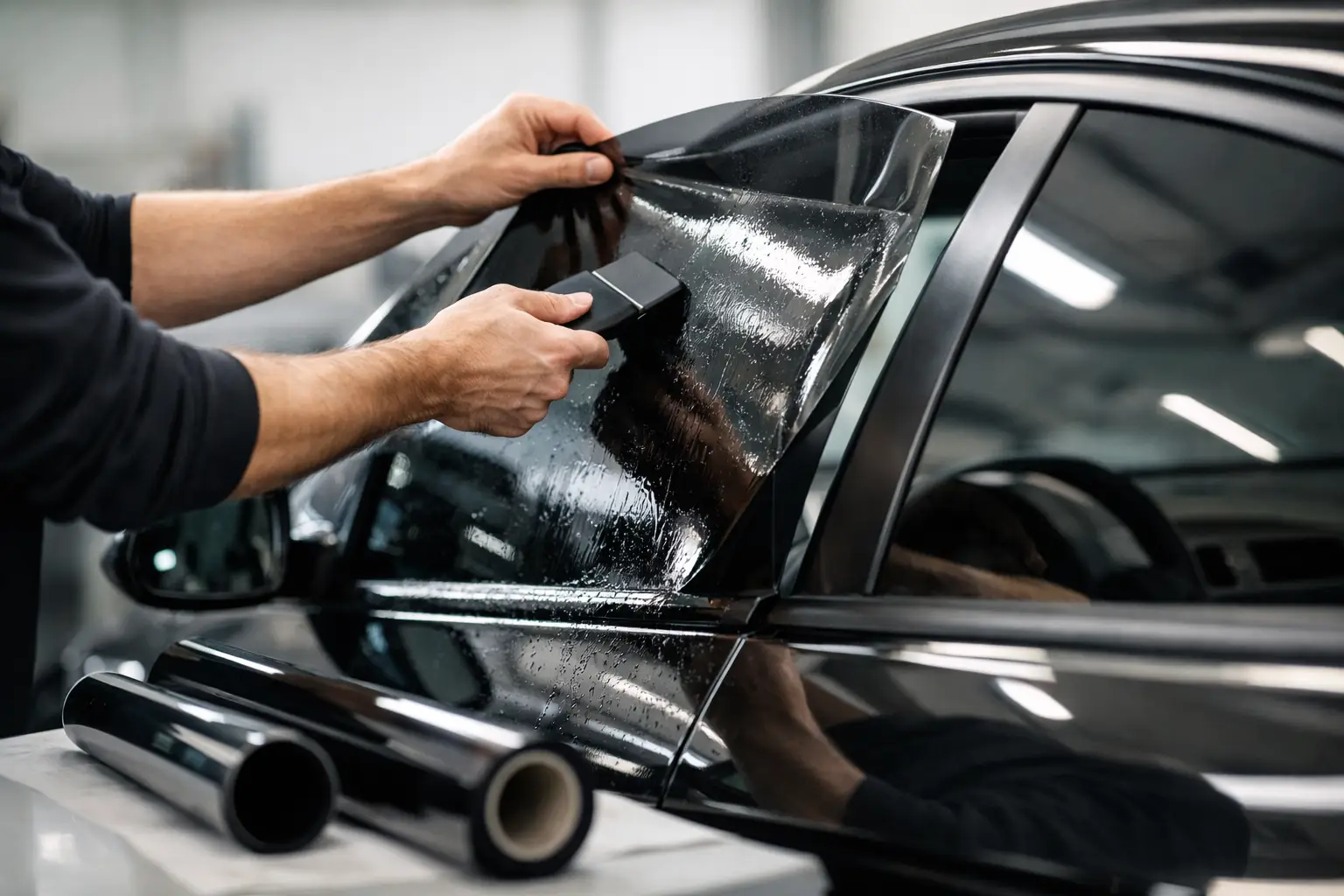
Singapore’s afternoon heat can turn a parked vehicle into an uncomfortable, glare-filled cabin within minutes. A guide to premium window tinting begins with a simple distinction: quality tint is not merely darkened glass. It is a carefully selected protective film that manages heat, ultraviolet exposure and visual comfort without compromising the clarity, legality or refined appearance of the vehicle.
For owners who regard their car as an asset, window tinting is part of the wider art of preservation. The right film protects the materials you touch and see every day, from leather upholstery and dashboard trims to electronic displays and interior finishes. The wrong choice can leave behind haze, distorted vision, bubbling edges and an unnecessary struggle at inspection.
What Premium Window Tinting Actually Delivers
A premium window film is engineered to reject solar energy before it accumulates inside the cabin. This can reduce the burden on the air-conditioning system, make longer journeys more comfortable and help the cabin cool down faster after the vehicle has been parked outdoors.
The key measure is not how dark the glass looks. High-quality films can deliver strong infrared heat rejection and ultraviolet protection while retaining a light, factory-like appearance. This matters for executive and luxury vehicles, where maintaining excellent outward visibility is as important as creating a cooler cabin.
Ultraviolet protection is equally valuable. Prolonged sun exposure can contribute to fading, drying and premature ageing of leather, fabric, plastics and trim pieces. No film can halt wear indefinitely, but a properly installed premium film creates a meaningful barrier between the cabin and Singapore’s persistent tropical sunlight.
Glare control is another benefit that is often underestimated. Harsh reflected light from wet roads, glass buildings and low afternoon sun can fatigue the eyes during daily driving. A well-chosen tint reduces this distraction while keeping traffic lights, road markings and night-time conditions clear.
The Connoisseur’s Guide to Premium Window Tinting
The most suitable film depends on the vehicle, the way it is used and the owner’s priorities. A daily-driven executive sedan may benefit from a highly heat-rejecting, spectrally selective film that preserves a bright cabin and natural visibility. An enthusiast vehicle with a more exposed cabin may place greater emphasis on UV management and glare reduction. Family vehicles may prioritise rear-cabin comfort for passengers.
The important point is that visible tint level and thermal performance are not the same thing. Dark films can offer privacy, but darkness alone does not determine heat rejection. Some lower-grade dyed films absorb heat rather than effectively rejecting it, which can leave glass hot and cabin comfort inconsistent. They may also fade towards purple, become hazy or deteriorate prematurely under intense sun.
Premium ceramic and advanced multi-layer films are preferred for their stable optical clarity and their ability to manage heat without relying solely on a dark appearance. Ceramic technology is generally non-metallic, which is particularly relevant for modern vehicles carrying GPS, mobile reception, electronic payment units and integrated driver-assistance systems. The precise result still depends on the film specification and vehicle architecture, so product selection should be considered alongside professional assessment rather than marketing claims alone.
Heat Rejection: Read Beyond a Single Number
Film specifications can appear technical, but a few terms are worth understanding. Visible Light Transmission, or VLT, refers to how much visible light passes through the glass and film combination. A lower VLT means a darker result. Total Solar Energy Rejected, commonly known as TSER, describes how much total solar energy the film rejects. Infrared rejection refers to the management of infrared wavelengths associated with radiant heat.
These figures should be read together. A very high infrared rejection claim may apply only to selected portions of the infrared spectrum, rather than representing the film’s entire performance. TSER often provides a more useful broad view of overall heat control, although it too must be considered with the vehicle’s original glass, cabin size and exposure conditions.
For this reason, a premium tint consultation should not begin and end with the darkest permissible shade. It should address your usual parking conditions, driving hours, passenger needs and expectations for cabin brightness. The finest result is a composed balance of comfort, aesthetics and clear sightlines.
Legal Compliance Is Part of a Proper Installation
In Singapore, window tinting must comply with prevailing Land Transport Authority requirements for visible light transmission. These requirements apply to the final reading of the original glass and installed film together, not simply the film’s advertised specification.
This is where an experienced installer adds value. Factory glass can already have a degree of tint, and readings may differ across windscreens, front windows and rear glass. A professional assessment reduces the risk of choosing a film that appears acceptable on paper but does not meet the required final measurement.
Do not treat compliance as an afterthought. Excessively dark front glass may affect visibility during heavy rain, in multi-storey car parks and on poorly lit roads. It can also disrupt the clean, understated presentation that suits a premium vehicle. A quality film should enhance the car’s character, not make ownership more complicated.
Why Installation Quality Defines the Outcome
Even the most advanced film cannot compensate for careless preparation. Window tinting is a precision installation, especially on vehicles with complex curves, frameless doors, tight seals, dot-matrix borders or integrated sensors around the windscreen.
The glass must be cleaned thoroughly, and the surrounding work area should be managed to minimise airborne contamination. Installers need to cut and position the film accurately, form it correctly to the glass and finish the edges with restraint. Poorly fitted film can reveal itself through trapped debris, fingers, lifting corners, uneven gaps or excessive moisture marks that do not settle after the curing period.
A premium installation also considers the vehicle’s electrical and safety systems. Modern windscreens may house cameras, sensors, antenna elements and heating features. The selected film must be appropriate for these areas, with application techniques that respect the manufacturer’s design. This is not a service where speed should be mistaken for skill.
At EA Detailer, window tinting is approached as part of a considered preservation programme, with film selection and installation standards aligned to the vehicle’s finish, usage and owner expectations.
Choosing the Right Film for Your Vehicle
Before selecting a shade, establish what you want the film to solve. If the cabin feels oppressive after outdoor parking, thermal rejection should lead the decision. If the concern is fading leather or protecting a light-coloured interior, UV filtering and stable performance deserve priority. If glare during expressway driving is the main frustration, visual comfort and optical clarity should be carefully assessed.
Privacy can be a legitimate consideration, particularly for rear passengers and personal belongings. However, it should remain secondary to safe visibility and legal compliance. A darker rear section can create a more private cabin, while lighter front-side glass can retain a balanced exterior appearance and a confident driving view.
Colour tone also matters. Some films lean cooler, while others present a more neutral or charcoal finish. On a vehicle with a carefully considered factory design, the tint should look integrated rather than added on. This is especially true for premium marques, where an overly reflective or uneven film can undermine the restraint of the original styling.
Care After Window Tint Installation
Newly installed film requires time to cure. During this period, it is normal to see slight moisture pockets or a soft haze as the installation solution evaporates. Avoid lowering the windows until advised by the installer, as moving the glass too early can disturb the film’s edge.
Thereafter, clean tinted glass with a soft microfibre cloth and ammonia-free glass cleaner. Abrasive pads, harsh chemicals and careless scraping can mark the film or damage its finished surface. If a window develops persistent bubbling, lifting or visual distortion after curing, it should be inspected rather than ignored.
Premium tinting does not eliminate the need for thoughtful ownership, but it makes daily use more composed. When the sun is high, the cabin remains more inviting. When your vehicle is parked outdoors, the interior receives another layer of defence. And when the film has been selected with care and fitted with precision, the protection is felt without demanding attention – exactly as refined automotive preservation should be.
