

Singapore New Car Protection That Matters First

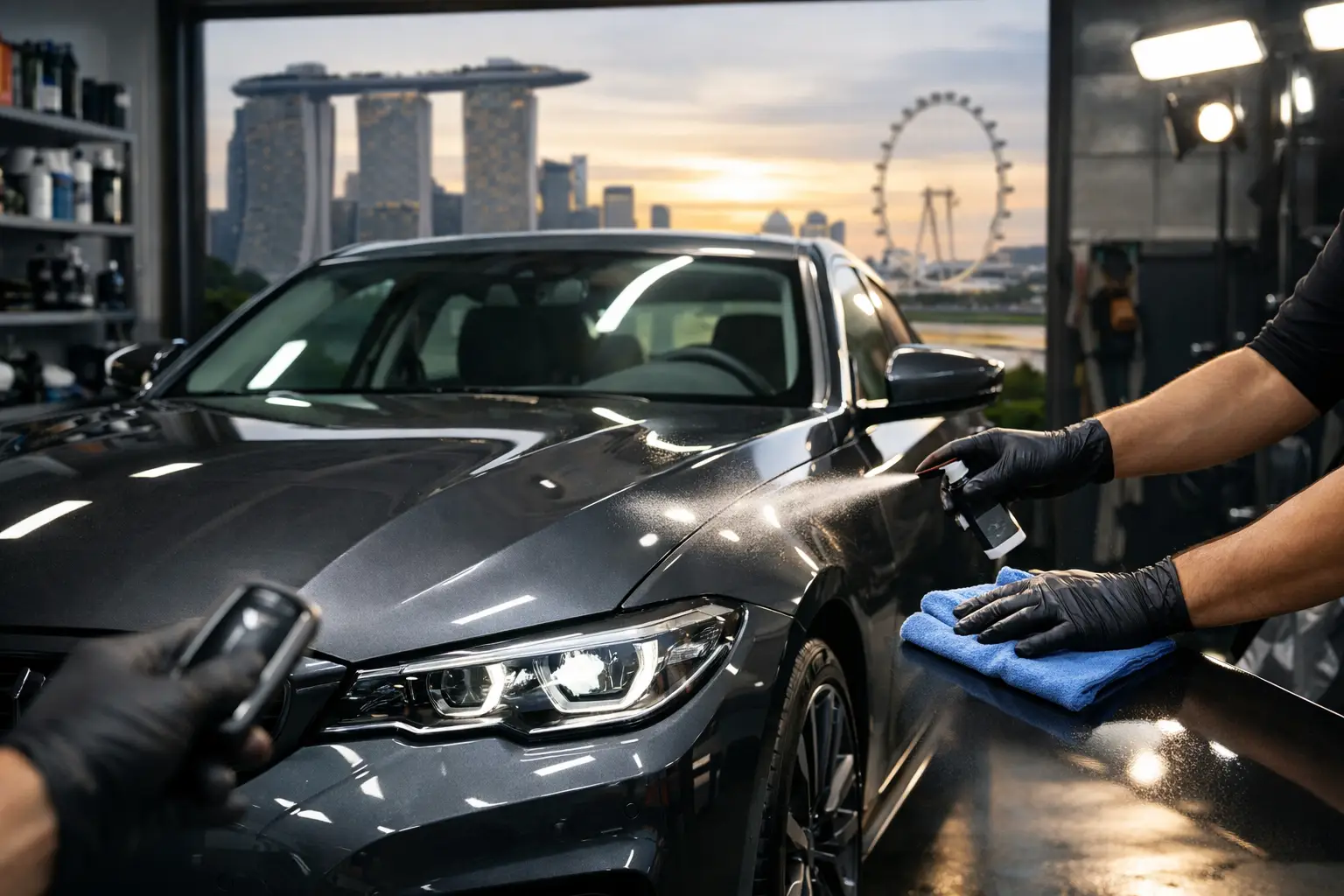
The handover day is the only moment your vehicle will be genuinely untouched by daily use. Before the first expressway run, open-air car park session or tropical downpour, Singapore new car protection should be considered as part of ownership, not an afterthought. Factory paint may be fresh, but it is not invulnerable. Road grit, stone impact, UV exposure, bird droppings, construction dust and careless contact begin leaving their mark from the first weeks.
For owners of premium vehicles, protection is not simply about keeping a car glossy. It is about retaining the integrity of the paintwork, cabin materials and exterior finishes that define its condition and future desirability. The right approach is layered, considered and tailored to how the vehicle will actually be driven.
Why Singapore new car protection should begin early
Singapore’s environment is demanding in ways that are easy to underestimate. Intense sunlight and heat place constant pressure on exterior surfaces. Humidity, sudden rain and airborne contaminants can remain on paintwork longer than expected. On the road, loose debris, sand and tiny stones are thrown up at speed, particularly around expressways, worksites and heavy traffic routes.
A new car’s clear coat provides a degree of protection, but it is a finite layer. Once scratches, chemical etching or stone chips appear, preservation becomes restoration. Repairing paint can produce an excellent result in expert hands, yet preserving original factory paint is always the more elegant outcome.
There is also the ownership reality of Singapore: cars are significant assets. A well-kept exterior, clear windscreen, fresh cabin and consistent paint finish can make a meaningful difference when it is time to sell, trade in or retain the vehicle within the family. Protection cannot guarantee a resale figure, but it helps prevent the avoidable condition issues that weaken a vehicle’s appeal.
Start with the threats that matter to your car
Not every new vehicle needs the same treatment. A weekend-driven coupe that is kept indoors faces a different risk profile from an executive saloon travelling daily between the CBD, airport and home. The question is not which service sounds most impressive. It is which surfaces are most exposed, and what standard of preservation you expect to maintain.
Paint protection film for high-impact zones
Paint protection film, commonly called PPF, is the most purposeful defence against physical damage. It is a clear, highly durable film applied over painted panels to absorb the punishment that would otherwise reach the clear coat. The front bumper, bonnet, front fenders, side mirrors, door edges and door cups are usually the first areas to consider.
For vehicles driven frequently on expressways, a full-front PPF installation is often a sensible foundation. It focuses protection where stone chips and road debris are most likely to occur while preserving the vehicle’s original paint beneath. Owners seeking the highest level of coverage may choose a full-body installation, particularly for darker colours, low-slung sports cars or vehicles with intricate, costly-to-refinish panels.
The trade-off is investment. Full-body PPF is not necessary for every owner, and it should never be selected purely because it is the most comprehensive option. A precisely installed, high-quality front package can be the wiser choice for a daily driver, provided the remaining paintwork receives proper surface protection and careful maintenance.
Paint protection coating for gloss and easier upkeep
A professional paint protection coating provides a different kind of value. Rather than shielding against hard impact, it creates a chemically resistant, hydrophobic protective layer over properly prepared paintwork. This improves water behaviour, helps reduce the adhesion of grime and makes routine cleaning less laborious. It also gives paint a richer, more defined finish when applied to a well-corrected surface.
Coatings are valuable across the whole vehicle, including areas where PPF may not be practical or necessary. They help guard against common environmental contaminants, but they are not armour. A coating will not stop a stone chip, prevent a deep key scratch or make improper washing safe. It must be paired with disciplined wash practices and realistic expectations.
For many new-car owners, the strongest strategy is not choosing between PPF and a coating. It is assigning each material to the job it performs best: PPF for impact-prone areas, then a premium coating over suitable painted surfaces for gloss, washability and chemical resistance.
Window tint and windscreen protection for daily comfort
Heat management is part of preservation as well as comfort. A quality window film can reduce the heat and glare entering the cabin, easing the burden on air-conditioning while making every drive more composed. It also helps limit UV exposure to leather, trims and other interior materials that can fade, dry or discolour over time.
The specification matters. Window tinting must comply with prevailing local requirements, and visibility should never be compromised for darkness alone. The best choice balances solar rejection, optical clarity and a finish appropriate to the vehicle.
A clear windscreen protection treatment addresses a different concern. It improves water repellency and can make wet-weather visibility more manageable, particularly during heavy rain. However, it is not a substitute for sound wiper blades or a windscreen free from serious damage. Those fundamentals remain non-negotiable.
The preparation behind a worthy result
New does not always mean perfect. Vehicles can accumulate minor marks during shipping, storage, dealer washing and pre-delivery handling. Protective products should not be placed over bonded contaminants, swirl marks or poorly finished paint. Doing so merely preserves the flaw.
A professional assessment and paint preparation stage are therefore essential. This may involve a careful decontamination wash, inspection under specialist lighting and measured paint correction where required. The objective is not aggressive polishing for its own sake. It is to establish a refined, clean surface before any film or coating is installed.
Installation quality deserves equal attention. Poorly fitted film can detract from the body lines it is meant to protect, while rushed coating work can leave inconsistent coverage. On a luxury vehicle, the details are visible: panel-edge finishing, alignment around sensors and badges, clean cut lines, and thoughtful treatment of complex contours. Premium materials require the same standard of craftsmanship in their application.
A sensible protection plan from day one
A considered new-car plan often follows a clear order. First, protect vulnerable frontal and contact-prone panels with PPF. Second, apply a suitable paint protection coating to exposed painted surfaces. Third, specify compliant heat-rejecting window tint and windscreen protection if the car is regularly driven in changing weather. Finally, establish an interior care routine before oils, spills and UV exposure begin to age the cabin.
The interior deserves more attention than it usually receives. Light-coloured leather, piano-black trim, touchscreens and high-contact steering surfaces can lose their factory refinement surprisingly quickly. Regular vacuuming, gentle material-appropriate cleaning and periodic sanitisation prevent dirt from becoming embedded. Harsh household cleaners should never be used on delicate automotive finishes.
If budget requires prioritisation, protect the front-end paint first. It receives the highest concentration of physical risk and is often the most expensive area to restore convincingly. Add coating and window film next, then extend coverage as your ownership plans and driving pattern justify it.
Protection still needs intelligent maintenance
Professional protection lowers the effort required to preserve a vehicle. It does not eliminate that responsibility. Abrasive wash tools, automated brush washes and neglected contaminants can undermine even the finest film or coating. A gentle hand wash with suitable products, clean towels and regular attention remains the standard.
Bird droppings, tree sap, fuel splashes and insect residue should be removed promptly. In Singapore’s heat, contaminants can bake onto surfaces and create etching if they are allowed to remain. Park under cover where practical, but remember that enclosed car parks can still introduce dust, moisture and incidental contact from neighbouring doors.
Periodic professional inspections are equally worthwhile. They allow the condition of films, coatings, trims and high-wear areas to be reviewed before minor issues become more visible. This is particularly prudent before a sale, after a long road trip or when the vehicle has spent extended time outdoors.
A new vehicle is a statement of taste, engineering and personal achievement. Treat its first protection appointment as the beginning of a preservation programme, not a cosmetic indulgence. With the right materials, skilled installation and measured upkeep, its original finish can remain a pleasure to look at long after the delivery ribbon is gone.
