

Full front PPF vs full body PPF: choose by exposure | 2026
 ead admin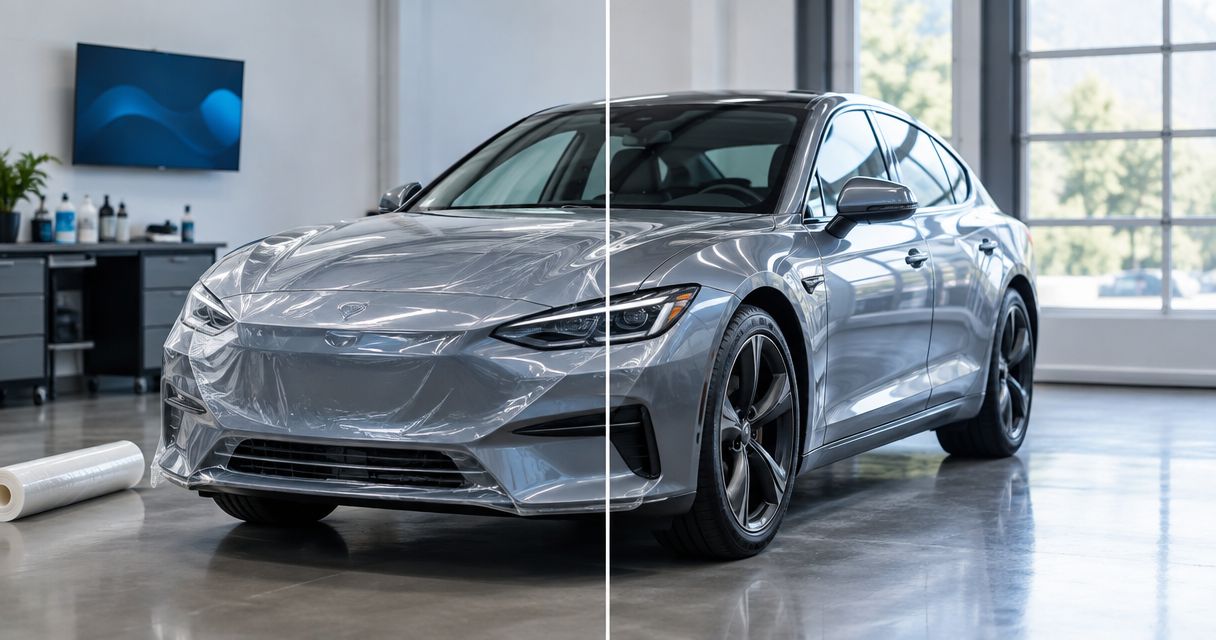
Full-front PPF is the better fit if you want to protect the front panels most exposed to road debris; full-body PPF fits if you also want film across the rest of the painted body. In 2026, the deciding question is not which package sounds more complete. It is whether the panels left uncovered by a front-only installation face damage you want film to absorb.
- For full front PPF vs full body PPF, choose full-front when road debris is your main concern.
- Choose full-body PPF when protection on doors, rear panels and other painted areas matters too.
- Confirm the exact panel list and film boundaries before agreeing to either installation.
- EA Detailer is a fit for Singapore owners comparing professional PPF coverage for their cars.
Full-front vs full-body PPF: which coverage fits your car?
The distinction is where the film ends. Full-front PPF concentrates coverage on the nose of the car. Full-body PPF extends coverage across the painted exterior. Neither label tells you every panel, edge or trim piece included in a particular installer's proposal, so ask for a written coverage map.
| Decision | Full-front PPF | Full-body PPF |
|---|---|---|
| Best for | Owners chiefly concerned about debris striking the front of the car | Owners who want film on painted panels beyond the front |
| Main advantage | Protects the area most directly exposed to oncoming debris without covering the whole car | Reduces the number of painted areas left without film |
| Main limitation | Doors, rear panels and other excluded areas remain exposed | More panels need inspection, preparation and installation |
| Question to ask | Which front panels and edge returns are included? | Which painted panels, edges and trim pieces are excluded? |
If you drive an electric vehicle, panel shape and daily use still determine coverage; the paint protection film for EVs in Singapore guide addresses that choice in more detail. The same principle applies to any car: compare the actual covered surfaces, not package names alone.
Why this matters
PPF is a physical film on the surfaces it covers. That makes coverage a practical decision: a protected bonnet does not stop a mark on an unprotected door. If your concern is debris thrown up during driving, front coverage has a clear purpose. If your concern also includes contact around doors, loading areas or the rear of the car, inspect those surfaces before settling on a front-only plan.
A luxury or performance car does not automatically require full-body film. The right scope follows the paint you want to preserve, the marks you are trying to reduce and the installation boundaries you are willing to see. Start with the panels, then choose the package.
Full-front PPF: focused protection for road-facing paint
Full-front PPF is the focused choice when your priority is the painted area facing oncoming traffic. It leaves much of the rest of the body without film, which is a reasonable trade-off only if you are comfortable with that exposure. Ask the installer to identify every included panel rather than assuming that full-front has a standard definition.
Look closely at the bonnet, front bumper, front wings and mirrors when discussing scope. Their shapes create different installation decisions: a film edge may stop on a visible surface, follow a panel boundary or wrap around an accessible edge. The proposal should tell you which treatment applies. Do not assume an edge can be wrapped without checking the panel's shape and access.
Full-front coverage also makes existing paint condition important. Film does not erase chips or scratches beneath it. Inspect the front panels under good lighting before installation and agree on what surface preparation will take place. If the paint already has defects, decide whether you accept their appearance under film before work starts.
Verdict: choose full-front PPF when front-facing debris is your main concern and you accept uncovered side and rear panels. Skip it as a complete-body protection strategy; it is not one.
Full-body PPF: broader coverage, more decisions
Full-body PPF suits an owner who wants film across the painted exterior rather than only the front. It is particularly relevant when marks on side or rear panels would bother you as much as marks on the nose. Broader coverage does not remove the need to read the panel list: painted surfaces, trim and complex edges are not interchangeable.
Ask the installer to walk around your specific car and mark any exclusions. Confirm how the film will meet at panel gaps and what will remain visible around handles, badges and tight contours. Those details determine how consistent the finish looks when you stand beside the car, not just how it looks in a photograph taken from a distance.
More coverage also means more installed edges and more surfaces to inspect during handover. Check the finish panel by panel in clear light. Look for alignment at adjoining panels, visible contamination beneath the film and edges that do not sit as agreed. Raise concerns against the written coverage map rather than a general promise of full-body protection.
Verdict: choose full-body PPF when leaving painted side and rear panels exposed defeats your reason for installing film. Do not treat the wider package as protection against every kind of damage. Film is not a defence against dents or damage beyond the areas it covers.
Why PPF coverage needs vary
The useful question is which surfaces encounter the risks you care about. Work through these factors before comparing installer proposals:
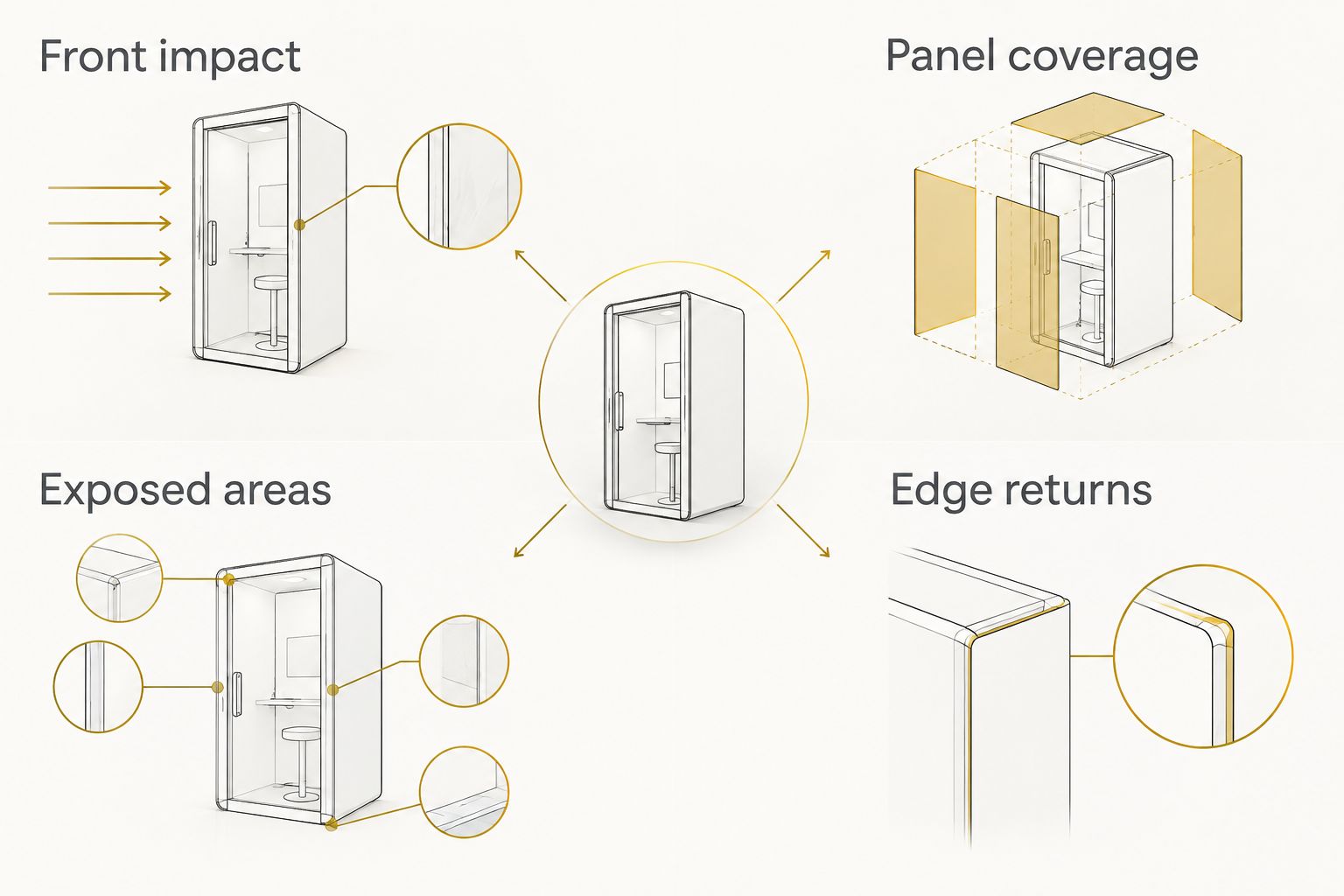
- Front impact exposure. If road debris is the main concern, protecting front-facing paint directly addresses it. Wider coverage protects more surface area but does not make the front less exposed.
- Side-panel contact. Think about the places where you park and how you use the doors. A front-only installation leaves side panels without film.
- Rear-panel use. If loading or routine contact around the back of the car concerns you, confirm whether a full-body proposal covers the relevant painted surfaces.
- Existing paint condition. Inspect chips, scratches and previous paintwork before choosing film. Protection preserves a surface; it does not restore the finish underneath.
- Visible boundaries. Ask where film stops and whether edges can be wrapped on your car. The answer affects appearance and inspection, regardless of package name.
- Your tolerance for uncovered paint. Full-front is a deliberate boundary. Choose it only if you know which marks would still be possible outside that boundary.
These factors give you a brief for the installer. Point to the panels that matter, ask for their coverage in writing and compare proposals on the same scope. A full-body label with unclear exclusions is less useful than a precise front-panel plan.
How should you compare PPF installers?
Ask each installer to show the planned coverage on your car, then discuss preparation and finish. The conversation should be specific enough that you can check the completed installation against it. EA Detailer provides professional PPF and paint protection services in Singapore; the useful comparison is whether a proposed scope addresses your car's exposed panels.
Use the same questions for every installer:
- What will be covered? Request a panel-by-panel list, including any exclusions around trim, badges and difficult contours.
- Where will the film end? Ask to see expected seams and edge returns before installation, especially on panels you view at close range.
- How will existing defects be handled? Agree on an inspection of the paint and the proposed preparation. Do not mistake film application for paint repair.
- What film is being specified? If discussing XPEL PPF or ChromaGard, ask for the exact film and its stated care instructions rather than assuming all PPF behaves alike.
- How will you inspect the result? Arrange to review covered panels and agreed edges at handover. Keep the coverage map for that comparison.
A discussion of material alone is incomplete. Even a film selected for your priorities must be cut, positioned and finished on the actual panels you want protected. Conversely, careful installation cannot protect a panel omitted from the plan.
Is ceramic coating an alternative to full-body PPF?
No: ceramic coating and PPF answer different protection questions. PPF puts a physical layer over the painted areas where it is installed. Ceramic coating concerns the surface finish and its upkeep; it is not a substitute for film where your priority is reducing damage from road debris. Decide on film coverage first, then discuss whether coating has a separate role in your maintenance plan.
This distinction also keeps comparisons fair. Ceramic coating packages describe a different service from panel-by-panel PPF coverage; the package label does not tell you which painted areas will have a physical film barrier. If an installer proposes both services, ask which surfaces receive each treatment and how you should care for them afterward.
For a Singapore owner choosing between front and full-body film in 2026, the coating question should not obscure the coverage decision. Identify where you want physical protection first. Then assess ceramic coating on its own terms, including the upkeep instructions for the finish selected.
Can you add more PPF after starting with full-front coverage?
Yes, you can discuss adding film to previously uncovered panels, but treat that as a new installation decision rather than an automatic extension of the original job. The installer needs to inspect the current paint and identify how new coverage will meet existing film. Confirm whether differences in age, finish or edge placement would be noticeable on your car.
This makes the first coverage map valuable even if you choose the smaller scope in 2026. Keep a record of what was installed and which panels remain bare. When your priorities change, you can discuss those specific surfaces instead of relying on a package name you no longer remember precisely.
Does full-body PPF mean every exterior surface is protected?
No. Full-body describes a broad film scope, not a promise that glass, trim, wheels and every exposed edge receive the same treatment as painted panels. Have the installer identify exclusions before you approve the work. If a particular surface matters to you, name it and ask whether it is included.
The same discipline applies to full-front PPF. Check whether a front-facing component is painted, film-covered or outside the quoted scope. A written panel list is the clearest way to compare coverage in 2026. It gives you something concrete to inspect when the car is handed back.
FAQ
What’s the difference between full-front and full-body PPF?
Full-front PPF focuses on front-facing panels, while full-body PPF extends film across the painted exterior. Ask for a written panel list because the exact boundaries depend on the proposed installation.
Is full-front PPF enough for a new car?
Full-front PPF is enough if your main concern is debris striking the front and you accept uncovered side and rear paint. Inspect the factory paint before installation; film will not erase existing defects.
Is full-body PPF better for a luxury car?
Full-body PPF is the better fit when you want painted side and rear panels protected as well as the front. A luxury badge alone does not determine the right scope; the panels you want covered do.
Does PPF stop dents?
No. PPF covers the surfaces where it is installed but is not a defence against dents. It also cannot protect panels left outside the installation scope.
Can ceramic coating replace PPF on the front of a car?
No. Ceramic coating is not a physical film barrier for front-facing paint. If road debris is your concern, compare PPF coverage before considering a coating for separate surface-care goals.
What should I ask a PPF installer before booking?
Ask for the exact film, a panel-by-panel coverage map, expected edge placement and the plan for inspecting existing paint. Use those answers to compare the finished installation with what was agreed.
Can I extend full-front PPF to other panels later?
Yes, additional panels can be assessed for film later. Have the installer inspect their paint condition and explain how the new film will meet the existing installation.
One last thing
The most consequential difference between two PPF proposals can be a panel neither calls out. Before choosing in 2026, stand beside your car and point to every surface you expect film to cover. If the installer cannot match those expectations to a clear panel list, the full-front versus full-body label has not answered your question. EA Detailer is a fit for Singapore owners comparing professional PPF coverage against that specific brief.
Related guides
- PPF brands for luxury cars in Singapore
- PPF brands ranked by self-healing warranty
- Ceramic coating packages in Singapore

Leave a Reply