

Why Does Car Paint Fade? Causes and Protection

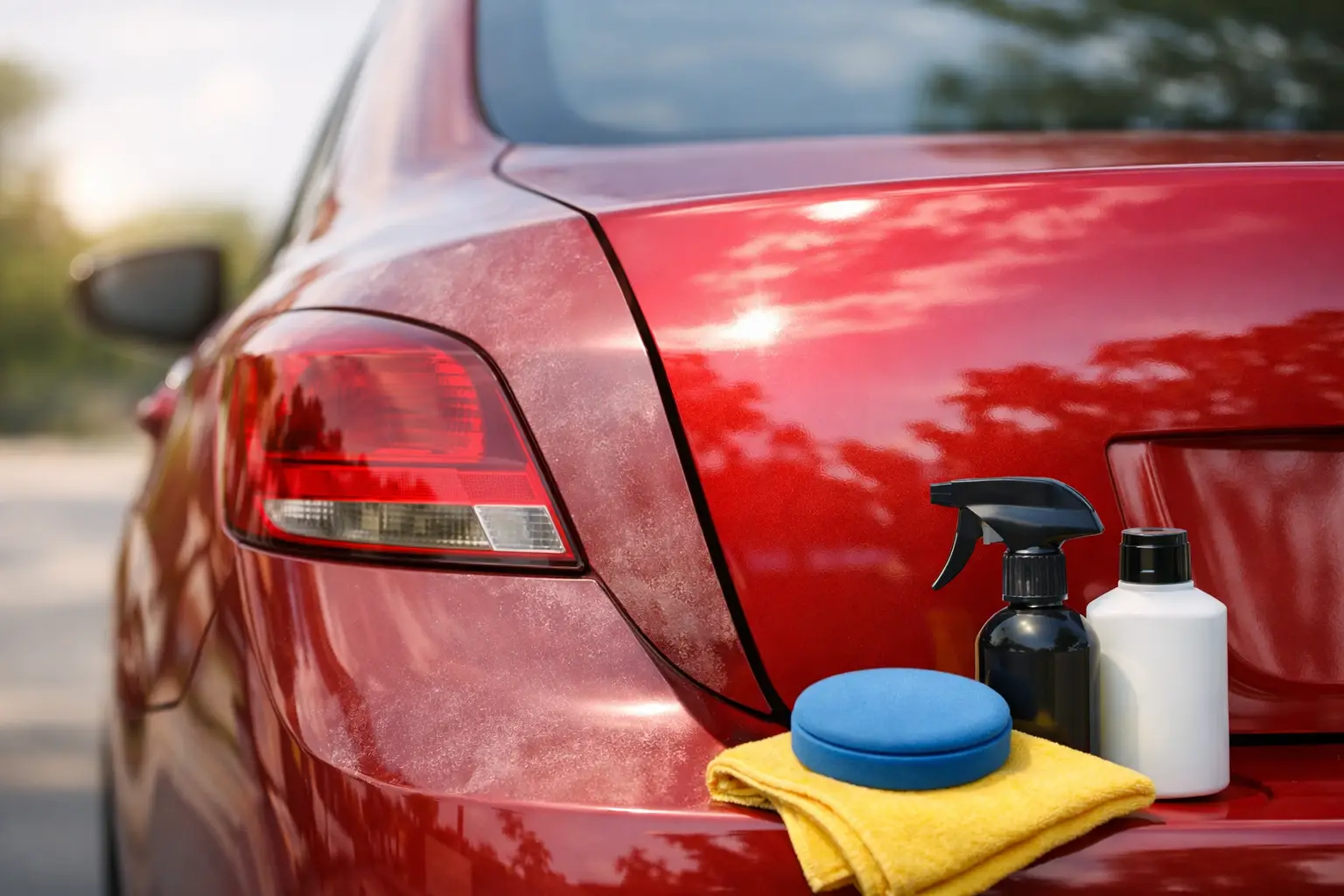
A deep, even gloss is part of what makes a well-kept car feel exceptional. Yet in Singapore, a vehicle can begin to look tired long before its mechanical life is anywhere near finished. Why does car paint fade? The short answer is exposure: sunlight, heat, moisture, airborne contamination and daily wear gradually break down the finish that gives paint its colour, depth and clarity.
Paint fading is not simply a cosmetic inconvenience. On a premium vehicle, it can make panels appear mismatched, reduce visual presence and affect how a prospective buyer perceives the car’s condition. The good news is that fading is not inevitable at the same pace for every vehicle. Understanding what causes it is the first step towards preserving the original finish.
Why Does Car Paint Fade in Singapore?
Modern automotive paint is built in layers. Beneath the visible colour coat sits the primer, while a clear coat forms the outer protective layer that creates gloss and shields the colour from the environment. When that clear coat is compromised, the finish begins to lose its ability to reflect light cleanly. The result may be dullness, haziness, patchy colour or a chalky appearance in more advanced cases.
Singapore’s climate accelerates this process. A car parked outdoors for long periods is exposed to intense ultraviolet radiation, high ambient temperatures and persistent humidity. These elements do not act in isolation. Heat intensifies chemical reactions in the paint surface, UV rays degrade the clear coat, and humidity allows contaminants to remain active for longer.
The roof, bonnet, boot lid and upper edges of doors usually show early signs first. These horizontal surfaces receive the most direct sunlight and are often where water, dust and industrial fallout settle after a drive.
UV radiation breaks down the clear coat
Sunlight is the leading cause of paint fade. Ultraviolet rays gradually degrade the resins and protective additives within the clear coat through oxidation. As this layer weakens, it becomes less transparent and less reflective. The colour beneath no longer appears as rich or as crisp as it once did.
Dark colours can reveal the loss of gloss quickly because their reflections become muted. Bright reds, blues and certain solid colours may show more noticeable pigment change over time. Metallic and pearl finishes can also lose their visual complexity when the clear coat is no longer optically clear.
A covered carpark helps, but it is not complete protection. Daily errands, open-air parking, road exposure and reflected sunlight all contribute to cumulative UV stress.
Heat and humidity amplify the damage
Tropical heat places the paintwork under repeated thermal stress. Panels expand when hot and contract as they cool, particularly after rain or when a vehicle moves from outdoor parking into a shaded or air-conditioned environment. This natural movement is gradual, but over years it contributes to the ageing of the surface.
Humidity adds another dimension. Moisture can combine with airborne pollutants, bird droppings, tree sap and mineral-rich water deposits, allowing them more opportunity to etch or stain the clear coat. A surface that stays damp beneath dust or organic debris is more vulnerable than one that is cleaned and dried promptly.
The Everyday Contaminants That Dull Paint
Many owners associate fading only with sunlight. In practice, the vehicle’s finish is also challenged by contamination that may be almost invisible until it has already affected the gloss.
Bird droppings and tree sap are particularly aggressive because they can be acidic or chemically reactive. Under heat, they may soften or mark the clear coat. Dead insects, road grime, brake dust and oily film can also bond to paint if left untreated, creating a rough surface that no longer reflects light evenly.
Industrial fallout is another concern in urban driving. Fine metallic particles and airborne pollutants settle onto paintwork, where they oxidise and create embedded contamination. The vehicle may look clean after a quick wash but still feel rough to the touch. That roughness disrupts shine and, if ignored, can contribute to staining and corrosion-related defects.
Water spots deserve attention as well. When water evaporates, it leaves mineral deposits behind. If the panel is hot, those deposits can bake into the surface. Light spots may be removable with professional decontamination, but severe mineral etching may require paint correction to restore clarity.
Improper Washing Can Make Fading Look Worse
Not all dull paint is truly faded. Sometimes, it is concealed beneath fine scratches, wash marring and residue from harsh cleaning products. These defects scatter light across the surface, robbing paint of the crisp, mirror-like reflection associated with a well-preserved finish.
Frequent washing is valuable in Singapore, but technique matters. A dirty sponge, an unclean wash mitt or an automatic brush wash can drag abrasive particles across the clear coat. Over time, thousands of fine marks build into a grey, hazy appearance, especially noticeable under direct sunlight or showroom lighting.
Strong household detergents are equally problematic. They may strip existing protection and leave the surface dry or unprotected. A pH-appropriate automotive shampoo, clean wash media and careful drying methods are a more considered approach. For owners who do not have the time or conditions to wash correctly, professional maintenance is often the safer investment.
Can Faded Car Paint Be Restored?
It depends on the depth of the damage. If the issue is surface oxidation, embedded contamination or fine scratches, professional paint correction can often revive substantial gloss and apparent colour depth. This process carefully refines the clear coat to remove or reduce defects, rather than merely masking them with temporary fillers.
However, correction is not a cure for clear-coat failure. When the clear coat has become severely oxidised, cracked, peeling or detached from the colour layer, refinishing may be necessary. No polish, wax or coating can rebuild a failed paint layer. This is why early intervention matters: preserving healthy factory paint is typically more desirable and more cost-effective than repainting a panel later.
A professional assessment should distinguish between contamination, wash damage, oxidation and actual coating failure. These conditions can look similar from a distance, yet they require very different solutions.
Protecting Paint Before It Loses Its Depth
The art of preservation begins before visible damage appears. Regular washing removes contaminants before they bond to the clear coat, while prompt attention to bird droppings, sap and water spots reduces the risk of etching. Where possible, sheltered parking also limits the vehicle’s daily UV load.
For more meaningful long-term defence, the right protection system depends on how the car is used, where it is parked and the owner’s expectations. A paint protection coating creates a durable sacrificial barrier that enhances gloss, improves water behaviour and makes routine cleaning easier. It is well suited to owners who want a refined, low-maintenance finish, but it does not make paint invulnerable to stone chips or deep scratches.
Paint protection film offers a different level of security. Its physical layer helps shield vulnerable painted surfaces from road debris, light abrasion and the impact marks that commonly affect front bumpers, bonnets, wing mirrors and side skirts. It also provides valuable protection from environmental exposure. For a high-value vehicle, or one driven regularly on expressways, this is often the more comprehensive preservation choice.
The strongest approach may combine solutions: film on high-impact areas, followed by a suitable surface protection treatment for the remaining painted panels. The correct specification should be based on the car’s paint condition and ownership profile, not on a one-size-fits-all package.
A Finish Worth Preserving
Car paint does not fade overnight. It changes through thousands of small exposures: one afternoon under harsh sun, one neglected water spot, one abrasive wash, one season of accumulated contamination. By the time dullness is obvious, the process has often been underway for years.
For owners who see their vehicle as an asset as well as an expression of personal standards, paint protection is not an afterthought. It is a disciplined way to preserve original craftsmanship, enduring visual presence and future value. A professional evaluation from EA Detailer can establish what your paint needs now, while there is still more of the masterpiece to protect.
