

Is XPEL Film Installation Singapore Worth It?

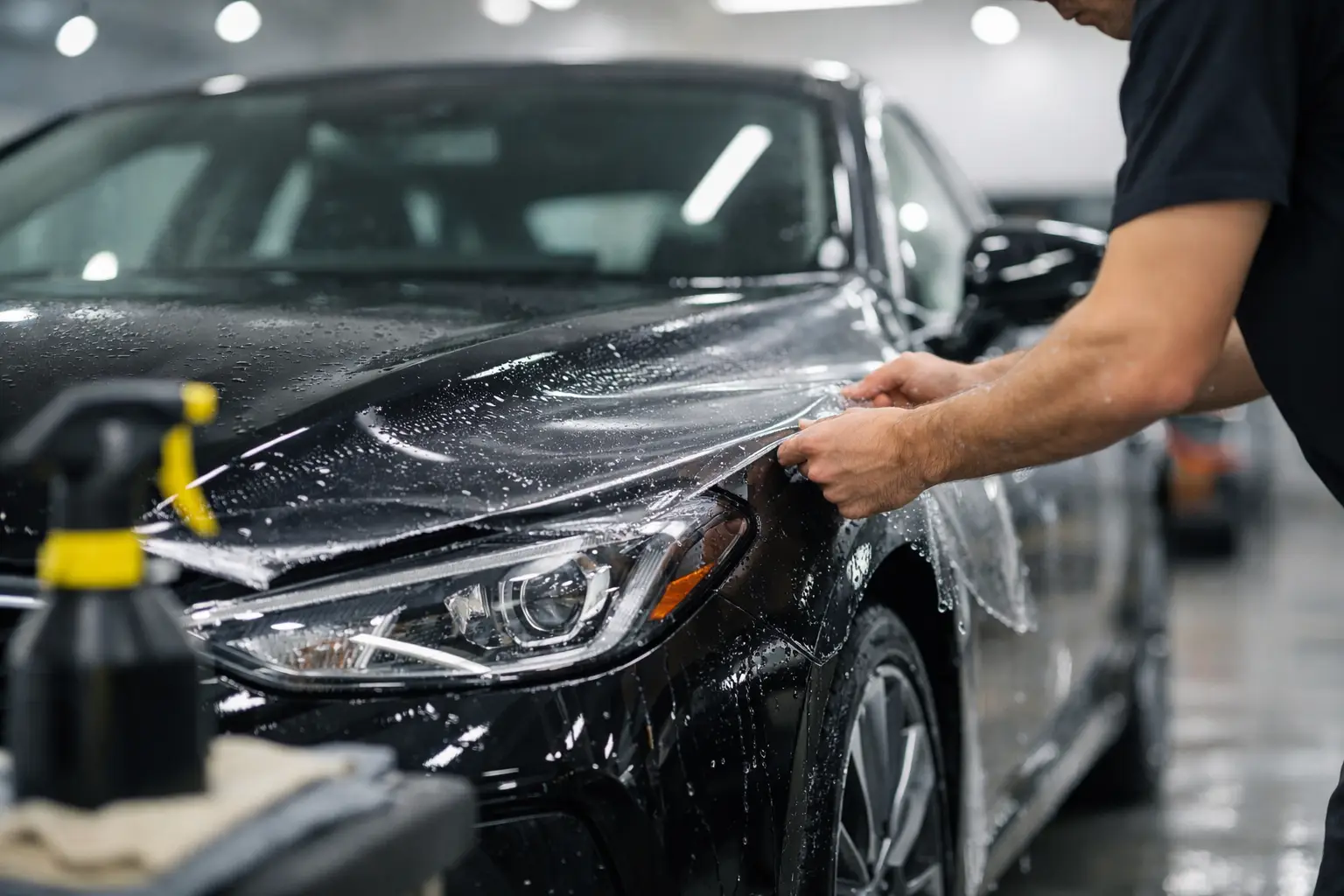
A fresh stone chip on a bonnet is not merely a cosmetic blemish. On a well-kept vehicle, it is a break in the finish that invites close inspection, weakens the visual impression of the paintwork and may complicate resale discussions later. That is why XPEL film installation Singapore is a considered investment for owners who want their factory finish to remain as composed as the day they collected the car.
Paint protection film, commonly known as PPF, creates a sacrificial barrier over vulnerable painted surfaces. It is designed to take the impact of everyday motoring – loose gravel, road grit, insect residue, bird droppings, parking friction and light abrasion – before these hazards reach the clear coat beneath. In Singapore’s heat, humidity and dense urban traffic, that extra layer can make a meaningful difference to how a vehicle presents over time.
What XPEL Paint Protection Film Is Designed to Do
XPEL paint protection film is a transparent urethane film applied over exterior paintwork. Unlike a coating, which chemically bonds with the surface to improve gloss, water behaviour and ease of maintenance, PPF adds physical thickness between the paint and the outside environment. This distinction matters. A coating can assist with washing and reduce the likelihood of bonded contamination, but it is not intended to absorb the same level of stone impact or scuffing as film.
Quality film is valued for its optical clarity, gloss retention and self-healing top layer. Under heat, minor marks on the film surface can often become less visible as the material recovers. This is particularly useful for areas that receive repeated light contact, such as door cups, boot loading edges and the front bumper.
The aim is not to make a car invulnerable. A forceful impact can still damage the film and, in severe cases, the paint beneath it. The value lies in reducing routine wear and allowing a damaged section of film to be replaced without automatically committing the original panel to refinishing.
Why XPEL Film Installation in Singapore Requires Precision
The product matters, but installation quality determines whether the finished car looks genuinely preserved or visibly covered. Film must follow compound curves, panel edges, sensors, badges and shut lines without tension marks, contamination or premature lifting. On a premium vehicle, small details are never small.
Singapore’s climate also places a greater demand on preparation and finishing discipline. Humidity, frequent rainfall and high surface temperatures make it essential to work in a controlled environment. Before installation, the vehicle should be carefully washed, decontaminated and inspected under proper lighting. Embedded fallout, tar residue or paint imperfections can remain visible beneath a clear film if they are not addressed beforehand.
This is where owners should be realistic about expectations. PPF preserves the condition it is applied over. If a vehicle has swirl marks, stone chips or uneven previous repair work, a professional may recommend paint correction or targeted repair before the film is laid. Covering defects is not the same as resolving them.
A refined installation also involves thoughtful edge work. Where practical, film edges are wrapped so they are less exposed and less noticeable. Not every panel permits a full wrap due to construction, trims or access points, but the installer should make these decisions with both durability and appearance in mind. Precision around parking sensors, headlamps and panel gaps separates a premium treatment from a rushed application.
Full Front or Full Body Protection?
The right coverage depends on the car, its use and the owner’s threshold for cosmetic wear. There is no single package that suits every vehicle.
A full-front installation commonly protects the bumper, bonnet, front fenders, side mirrors and headlamps. These are the areas most exposed to road debris from expressway driving and daily commuting. For many executive saloons and family SUVs, this provides the strongest balance between protection and investment.
Full-body coverage is more appropriate when the vehicle has complex styling, a softer or darker paint colour, a high-value factory finish, or when the owner wants consistent protection across every painted panel. Dark colours tend to reveal wash marring and light scuffs more readily. Vehicles with wide arches, low side skirts and sculpted rear haunches can also be vulnerable beyond the front end.
Selective protection has a place too. Door cups, door edges, boot sills, rear bumper loading areas and glossy black trim benefit from targeted film where daily contact is frequent. A carefully chosen partial application is more valuable than broad coverage selected without regard to how the car is actually used.
The Installation Process Behind a Proper Finish
A professional XPEL installation is not a quick add-on between wash appointments. The process begins with consultation and inspection. The installer assesses paint condition, panel geometry, existing damage, aftermarket accessories and the level of coverage required.
Preparation follows. The exterior is cleaned thoroughly, then decontaminated to remove particles that ordinary washing leaves behind. Depending on the vehicle’s condition, paint correction may be carried out before final surface preparation. The objective is a clean, stable and visually refined foundation for the film.
Pre-cut patterns are then used where suitable to achieve accurate coverage without unnecessary cutting on the vehicle. Skilled installers may also make controlled adjustments for certain contours and edges. The film is positioned with application solutions, worked around complex shapes and carefully squeegeed to remove moisture. Final inspection focuses on alignment, edge security, clarity and any areas that require further attention while the film settles.
Immediately after installation, some moisture pockets or slight haze can be part of the curing process. These should be assessed professionally rather than picked at or aggressively wiped. Owners should follow the aftercare guidance provided, especially during the first few days when the film and edges are stabilising.
PPF Versus Ceramic Coating: A Question of Priorities
Choosing between paint protection film and a paint protection coating is not always an either-or decision. They serve different preservation priorities.
PPF is the stronger choice where physical impact protection is the priority. It is particularly compelling for the front of a vehicle, where stone chips and road abrasion are difficult to avoid. A coating is often chosen for high gloss, hydrophobic behaviour and easier routine cleaning across surfaces that do not require the same impact resistance.
Some owners protect high-risk painted areas with film, then apply a suitable protective treatment over the remaining exterior surfaces. The correct approach depends on the vehicle’s age, paint condition, mileage, parking environment and intended ownership period. A weekend sports car stored indoors has different needs from a daily-driven SUV that spends hours in open car parks.
Care After XPEL Film Installation
Film should be maintained with the same respect as premium paintwork. Regular washing prevents road grime, mineral deposits and acidic contaminants from sitting on the surface for extended periods. Use pH-balanced products and clean wash media, and avoid abrasive compounds or harsh brushes that can dull the finish over time.
Do not direct high-pressure water closely at film edges, especially in the early stages after installation. When drying, use soft microfibre towels and avoid dragging trapped dirt across the panel. Bird droppings, tree sap and fuel splashes should be removed promptly. PPF provides valuable protection, but it is not a reason to leave contamination unattended.
It is also wise to arrange periodic inspections, particularly if the car regularly travels on expressways or is exposed to demanding outdoor conditions. Early attention to a lifted edge or damaged section is more discreet and cost-effective than allowing a minor issue to develop.
When the Investment Makes Sense
XPEL film is most persuasive when preservation is part of the ownership plan, not an afterthought after damage appears. It makes particular sense for new vehicles, luxury models, performance cars and vehicles in desirable factory colours where original paint condition materially affects appeal. It can also be a practical decision for owners who prefer to drive their cars properly rather than constantly worry about every piece of debris on the road.
The decision should be based on more than a package price. Ask about surface preparation, coverage boundaries, edge treatment, installation environment and aftercare. A lower initial figure may exclude the very work that makes the final result look exceptional.
Your vehicle’s finish is one of the few assets you see and touch every day. Protect it with the same discernment used to choose the vehicle itself, and let every journey leave a memory rather than a mark.
