

Best Car Detailing Packages for New Car Owners 2026
 ead admin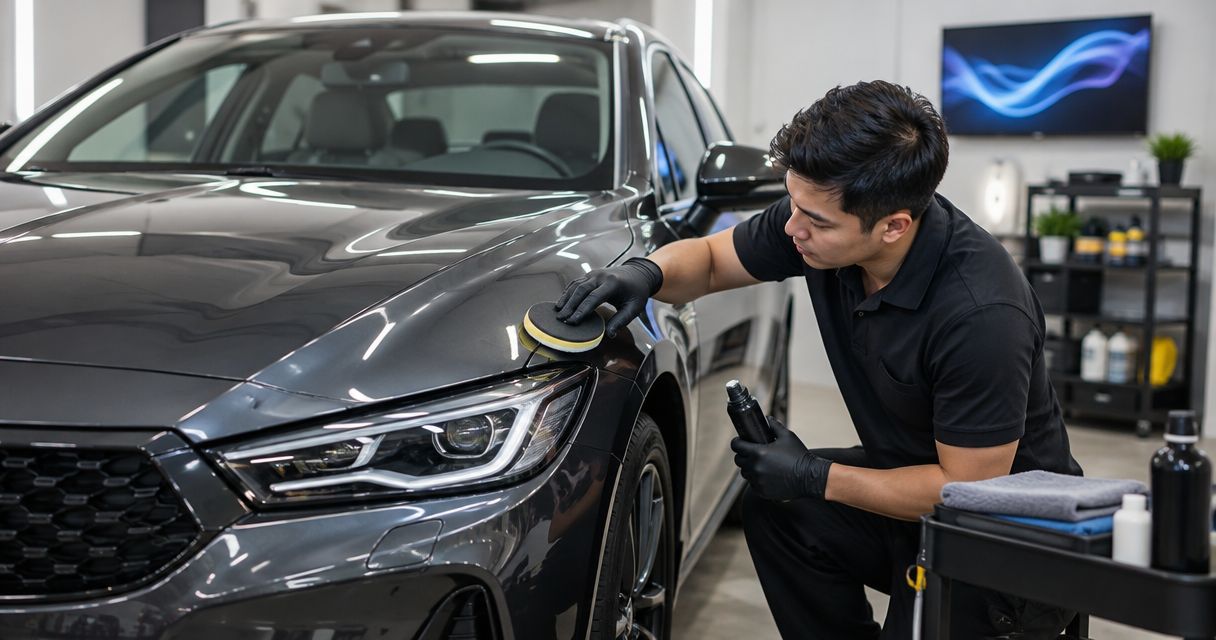
New car owners in Singapore face one decision in the first weeks after delivery: which detailing package actually protects factory paint, and which one is just an upsell. This guide ranks the six packages worth considering in 2026, matched to the use case each one actually solves.
- Ceramic coating plus PPF combo is the best overall pick among car detailing packages for new car owners in Singapore in 2026.
- XPEL PPF wins for owners who drive highways daily and need stone chip protection.
- ChromaGard ceramic coating suits owners who want gloss and hydrophobic protection without full film coverage.
- PPF built for Singapore’s hot and humid climate matters most for cars parked outdoors.
- Window tint and interior sanitization solve heat, UV and hygiene problems, not paint damage.
Why this matters
A new car's clear coat is roughly 2 mil thick straight from the factory — thinner than a sheet of paper. Every stone chip, bird dropping, or careless car wash in the first year cuts into that layer permanently, and Singapore's heat and humidity accelerate oxidation faster than in temperate climates.
Most new car owners get sold one package at delivery without understanding what it actually does. Ceramic coating protects gloss and makes washing easier. Paint protection film (PPF) stops physical damage. Window tint manages heat and UV. Interior sanitization deals with cabin hygiene. Confusing these four categories is how owners end up paying for the wrong protection twice.
EA Detailer's car detailing packages start from this distinction rather than bundling everything into one generic "new car package."
What makes the best car detailing package for a new car
- Matches the actual risk. Highway drivers need impact protection more than gloss enhancement.
- Uses named, verifiable products. Look for XPEL PPF, ChromaGard, or a specific ceramic coating brand — not "premium coating" with no name attached.
- States prep standards clearly. Paint correction and decontamination before coating or film application, not straight over factory swirl marks.
- Discloses maintenance requirements. Ceramic coating and PPF both need specific wash routines to hold their warranty period.
- Fits the car's exposure. Outdoor parking in Singapore's humidity calls for different film specs than a sheltered condo carpark.
- Separates paint protection from cosmetic add-ons. Interior sanitization and tint solve real problems, but they are not substitutes for paint protection.
Car detailing packages at a glance
| Package | Best For | Standout Feature | Key Limitation |
|---|---|---|---|
| Ceramic coating + PPF combo | New car owners wanting full-spectrum paint protection | Chemical resistance plus physical impact protection in one job | Longest install time of any package on this list |
| XPEL PPF | Highway and expressway drivers | Self-healing film absorbs stone chips | Adds no gloss enhancement on its own |
| ChromaGard ceramic coating | Owners wanting gloss without full film coverage | Hydrophobic finish, easier maintenance washes | No protection against physical impact |
| PPF for hot and humid climate | Cars parked outdoors year-round | Film formulated to resist yellowing under UV and humidity | Requires periodic inspection for edge lifting |
| Window tint | Heat, glare and UV exposure | Cabin temperature and UV reduction | Legal VLT limits restrict how dark front windows can go |
| Interior sanitization | Hygiene-focused owners, families, pet owners | Treats cabin air and surfaces, not just visible dirt | Does nothing for exterior paint condition |
1. Ceramic coating + PPF combo: best car detailing package for new car owners overall
Combining a ceramic coating with PPF applies a sacrificial film layer under a chemically bonded topcoat, covering both physical damage and everyday chemical exposure. This is the package most new car owners in Singapore should evaluate first, because factory paint has zero protection against either threat on day one.
Ceramic coating + PPF combo pros:
- Covers stone chips, bird droppings and chemical etching in one service
- ChromaGard-style coatings sit over the film, restoring gloss and easing wash maintenance
- Reduces the need for paint correction later in ownership
Ceramic coating + PPF combo cons:
- Requires the longest install window of any package here
- Higher upfront commitment than choosing coating or film alone
- Film sections (bonnet, bumper, mirrors) still need periodic inspection
Best for: owners who want to lock in factory paint condition from delivery day and don't plan to sell within a year or two.
Verdict: Buy — if the budget allows for both, this is the package that actually matches the risk a new car faces in Singapore traffic and weather.
2. XPEL PPF: best car detailing package for highway and expressway drivers
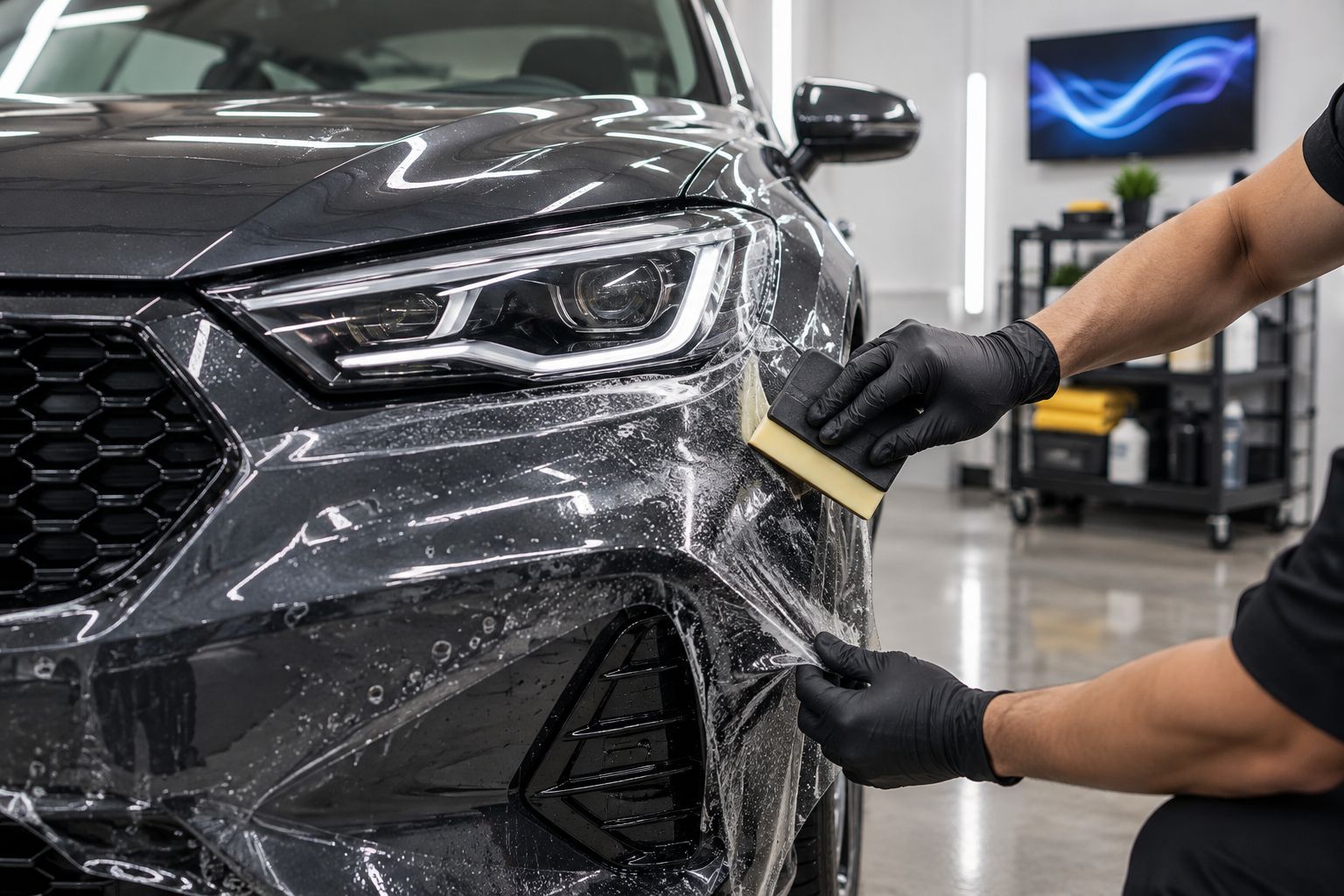
XPEL PPF is a clear, self-healing polyurethane film applied to high-impact panels — bonnet, front bumper, mirrors, and often the full front end. It absorbs stone chip impacts that would otherwise cut through the 2 mil clear coat and reach bare paint.
XPEL PPF pros:
- Self-healing top layer resolves light swirl marks with heat
- Targets the exact panels most exposed to expressway debris
- Backed by a named, widely used film brand rather than a generic "protection film"
XPEL PPF cons:
- Does not improve gloss or hydrophobic behavior on its own
- Film edges need inspection over time, particularly on high-flex panels
- Full-front coverage costs more than partial coverage — decide panel scope before booking
Best for: owners who drive the PIE or ECP daily and want impact protection more than cosmetic enhancement.
Verdict: Buy for anyone logging regular highway kilometers in the first year of ownership.
3. ChromaGard ceramic coating: best for gloss protection without full film coverage
ChromaGard is a ceramic coating applied directly to paint after decontamination and correction, forming a hard, hydrophobic layer that resists water spotting and light chemical staining. It's the right entry point for owners who want visible gloss improvement and easier washing without committing to film.
ChromaGard ceramic coating pros:
- Noticeable gloss increase over factory clear coat
- Hydrophobic surface sheds water and reduces contamination bonding
- Shorter turnaround than a coating-plus-film combo
ChromaGard ceramic coating cons:
- Offers zero resistance to stone chips or scratches
- Still requires correct maintenance washes to hold its finish
- Not a substitute for PPF on high-exposure panels
Best for: owners parking mostly in sheltered carparks who prioritize finish quality over impact protection.
For a full breakdown of coating tiers and what each one actually includes, see the ceramic coating brands comparison.
Verdict: Buy as a standalone package, or as the topcoat layer in the combo package above.
4. PPF for Singapore's hot and humid climate: best for outdoor parking
Not every PPF is formulated the same way. Film rated for Singapore's climate resists yellowing and edge lifting under sustained UV exposure and humidity — a real failure mode for film not engineered for tropical conditions.
Climate-rated PPF pros:
- Resists discoloration that generic film shows within a year or two outdoors
- Maintains adhesion under humidity that causes edge lift in lower-grade film
- Pairs directly with ceramic topcoats for combined protection
Climate-rated PPF cons:
- Costs more to source and install correctly than generic film
- Still requires periodic edge checks even with climate-rated adhesive
Best for: condo and landed property owners without covered parking, where the car sits under direct sun for hours daily.
More detail on film specifications suited to local conditions is in the PPF guide for Singapore's climate.
Verdict: Buy for any car without daily covered parking.
5. Window tint: best for heat, glare and UV control
Window tint reduces cabin temperature and UV transmission, which matters in Singapore's climate but has nothing to do with exterior paint condition. It's a comfort and interior-preservation package, not a paint protection package, and owners should treat it as a separate line item.
Window tint pros:
- Cuts cabin heat buildup and glare significantly
- Reduces UV exposure to interior trim and upholstery over time
- Fast install compared to paint-based packages
Window tint cons:
- Front windscreen and front side windows are legally capped at 75% and 25% VLT respectively under Singapore's road traffic rules
- Does nothing for exterior paint, chips, or gloss
Best for: owners bothered by cabin heat and glare who already have a paint protection package sorted separately.
Verdict: Buy as a comfort add-on, not as a substitute for ceramic coating or PPF.
6. Interior sanitization: best for hygiene-focused owners
Interior sanitization treats cabin air, upholstery, and high-touch surfaces rather than the exterior finish. It's a genuinely useful package for families, pet owners, or anyone buying a car that previously sat on a dealer lot, but it solves a different problem than every other package on this list.
Interior sanitization pros:
- Addresses odor and surface contamination that exterior packages ignore
- Quick service relative to coating or film installs
- Useful before or after long-term storage periods
Interior sanitization cons:
- No effect on exterior paint or long-term resale condition
- Benefits are less visible than a coating or film result
Best for: owners prioritizing cabin hygiene over exterior protection, or adding it alongside a paint package rather than instead of one.
Verdict: Hold until the exterior package is decided — sanitization is a strong add-on, not a first purchase.
“The paint on a new car is the thinnest protection it will ever have, and 2026’s humidity doesn’t wait for the owner to decide on a package.”
How this ranking was built
Each package was scored against the six criteria above: risk match, named products, prep standards, maintenance disclosure, climate fit, and whether it was being sold as paint protection when it isn't. Packages that blur the line between cosmetic add-ons and actual paint protection — a common upsell tactic — dropped in the ranking regardless of how they're marketed.
Get your new car assessed
Match the right package to your parking, mileage and climate exposure.
Which car detailing package should you choose in 2026?
For a new car owner in Singapore with no covered parking and regular highway driving, the ceramic coating + PPF combo is the default choice — it's the only package on this list that covers both chemical exposure and physical impact from day one. Owners with covered parking and lighter driving can start with ChromaGard ceramic coating alone and add film later on high-impact panels. Window tint and interior sanitization are worth adding once the paint protection decision is settled, not before.
FAQ
What is the best car detailing package for a new car owner in Singapore in 2026?
A ceramic coating plus PPF combo is the best overall package for new car owners in 2026 because it covers both chemical exposure and stone chip impact from delivery day.
Is PPF or ceramic coating better for a new car?
PPF protects against physical damage like stone chips while ceramic coating protects gloss and eases maintenance; they solve different problems and work best combined.
Do I need PPF if I park my car in a covered carpark?
Covered parking reduces UV and humidity exposure but does not stop stone chips from highway driving, so PPF still matters for high-impact panels.
How thick is factory clear coat on a new car?
Factory clear coat is typically about 2 mil, roughly 50 microns, which is thin enough that a single deep scratch or chip can reach the base paint.
How dark can I legally tint my car windows in Singapore?
Singapore’s road traffic rules require a minimum of 75% visible light transmission on the front windscreen and 25% on front side windows.
Should I get window tint before or after ceramic coating?
Either order works since tint and coating apply to different surfaces, but most owners schedule paint protection first since it takes longer and involves more prep.
Is interior sanitization necessary for a brand new car?
It’s optional for a genuinely new car but useful if the car sat on a dealer lot for months or if allergies and pets are a concern.
How long does a ceramic coating and PPF combo installation take?
It takes longer than either service alone because correction, decontamination, film application and coating cure time all stack sequentially.
One last thing
Most owners assume ceramic coating and PPF do the same job because both get sold as "protection." They don't: coating protects the surface chemically, film protects it physically, and in 2026's traffic and climate conditions, a new car in Singapore genuinely needs both within the first year, not one or the other.
Related guides

Leave a Reply