

How to Preserve Car Resale Value

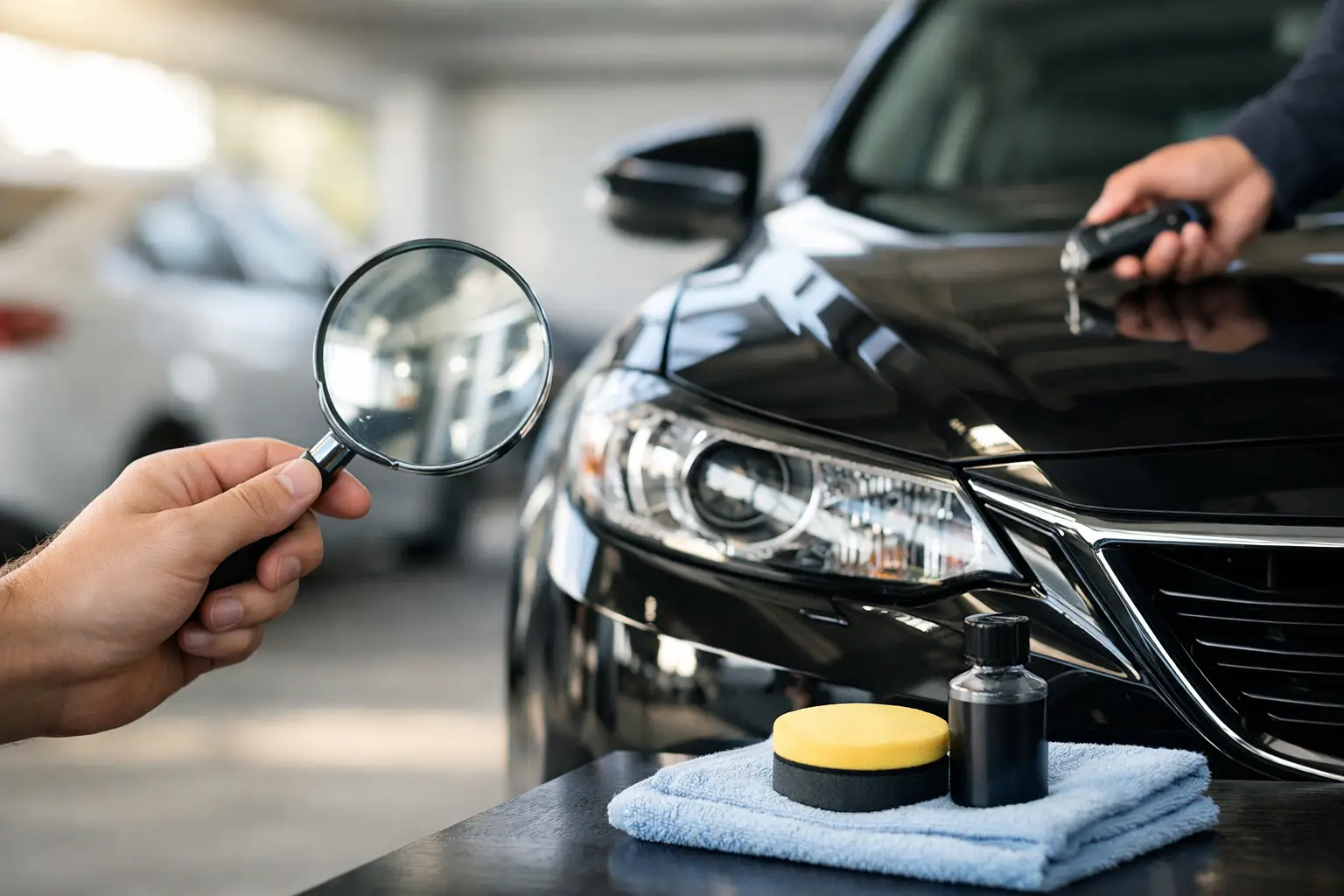
The difference between a car that commands strong offers and one that gets negotiated down often comes down to what buyers can see in the first 30 seconds. Faded trim, swirl-marked paint, stained leather, cloudy glass – these details quietly signal neglect. If you are serious about how to preserve car resale value, the real work starts long before you decide to sell.
For premium and enthusiast vehicles in particular, resale is rarely just about mileage or badge prestige. Condition tells the fuller story. A well-preserved car suggests disciplined ownership, lower reconditioning cost, and fewer hidden surprises. In a market where buyers are increasingly discerning, preservation is not cosmetic vanity. It is asset protection.
How to preserve car resale value from day one
The strongest resale outcomes are usually built early, not repaired at the end. Once factory paint is deeply scratched, leather is permanently stained, or trim is sun-damaged, correction becomes more expensive and less complete. Preservation is always more efficient than restoration.
That matters even more in Singapore, where intense UV exposure, humidity, road grime, tree sap, bird droppings, and frequent wash cycles place constant pressure on a vehicle’s finish. A car may be mechanically sound yet still lose appeal because the exterior and cabin no longer reflect careful ownership. Buyers notice the difference immediately.
This is why high-value owners tend to think in layers of protection. Paint protection film helps defend vulnerable panels against stone chips and abrasion. Paint protection coatings make maintenance easier and help reduce the accumulation of bonded contaminants. Quality window tinting lowers heat load and supports interior preservation. Each measure serves the same goal – keeping original materials closer to original condition.
Condition beats age more often than owners expect
A newer car with tired paint and a worn cabin can present worse than an older car that has been expertly maintained. Buyers do not appraise on paper alone. They respond to gloss, cleanliness, surface clarity, interior scent, touchpoints, and the overall sense that the vehicle has been respected.
That is why visible wear carries an outsized penalty. Scratched door handles, scuffed sills, oxidised headlamps, stained seats, and neglected wheels suggest cost. Even if the repairs are manageable, buyers mentally subtract for inconvenience and risk. A car that appears ready to enjoy, by contrast, earns confidence.
There is also a practical trade-off here. Some owners avoid protection because they plan to sell within a few years. But shorter ownership does not always reduce the value of early preservation. In fact, the first years are when factory-fresh surfaces are easiest to keep pristine, and when resale expectations are highest.
Protect the paint because buyers read the bodywork first
Paint condition is often the clearest visual marker of resale value. Factory paint in excellent condition is one of the strongest assets a vehicle carries. Once that finish accumulates heavy swirls, etching, chips, and dullness, the car starts to look older than it is.
Professional washing and detailing are part of this equation because poor wash technique creates damage over time. A car that is frequently cleaned but incorrectly handled can end up with worse paint than one washed less often but with proper methods. This is where expert care matters. Safe washing, contamination removal, and periodic correction help preserve depth, clarity, and finish integrity.
For owners who want stronger defence, paint protection film remains one of the most effective ways to protect high-impact areas. Bonnet edges, bumpers, side mirrors, door cups, and side skirts face repeated attack from debris and daily contact. Film does not make a car indestructible, but it does materially reduce the sort of wear that undermines resale presentation.
Paint protection coating serves a different role. It is not a substitute for film where physical impact is the concern, but it improves surface behaviour, makes routine cleaning easier, and helps maintain a cleaner, glossier appearance with less friction during maintenance. For many owners, the right answer is not film or coating, but a combination based on driving pattern, parking habits, and ownership goals.
The interior ages faster than most owners realise
If exterior condition opens the conversation, cabin condition often closes it. Buyers spend time with the steering wheel, seats, switches, centre console, and door cards. These are intimate indicators of care. Worn bolsters, glossy leather from body oils, stained headliners, sticky trim, and lingering odours can make even a desirable car feel tired.
Preserving the interior requires more than occasional vacuuming. Leather and trim surfaces need proper cleaning and protection suited to their material type. UV exposure through untreated glass accelerates fading, drying, and dashboard deterioration. Moisture and humidity can also contribute to unpleasant odours or microbial build-up if the cabin is neglected.
This is where high-performance window tinting contributes more than comfort. By reducing heat and filtering UV, it helps slow the ageing of leather, plastics, and interior finishes. The benefit is cumulative. A cabin that feels cooler, cleaner, and better preserved years into ownership supports both daily satisfaction and eventual resale confidence.
Interior sanitisation also has a place, especially for family cars, chauffeured vehicles, and daily drivers that see constant occupancy. The point is not to create a showroom illusion for one day. It is to keep the cabin in a condition that feels disciplined and well-managed over the long term.
Maintenance records still matter – but presentation multiplies their value
A complete service history is essential, especially for premium marques. It reassures buyers that the car was maintained on schedule and reduces suspicion around deferred servicing. But paperwork alone rarely overcomes poor condition. The strongest resale position comes when documented maintenance is matched by obvious care.
Keep service invoices, inspection records, and receipts for major protective work. If paint protection film, coating, tint, detailing, or refinishing has been professionally carried out, that record can help explain why the car presents above average. Buyers appreciate traceability.
There is nuance here. Cosmetic refinishing can either support resale or raise questions, depending on quality and disclosure. Proper paint repair for isolated damage is preferable to leaving a defect untreated, but poor colour match or inconsistent finish will be noticed. Professional workmanship matters because buyers of premium cars tend to be especially sensitive to panel uniformity and finish quality.
Daily habits quietly shape future offers
A great many resale problems begin with ordinary routines. Parking under trees, wiping dust off a dry panel, leaving spills to sit, dragging bags across the boot lip, or skipping bird droppings for a few days can all leave lasting marks. No single incident may seem serious, but accumulated neglect shows.
Better habits are not complicated. Choose sheltered parking where possible. Remove corrosive contaminants quickly. Use proper wash methods rather than quick wipe-downs that grind dirt into the surface. Avoid loading practices that damage trim and sill areas. If the car carries children, pets, or frequent passengers, treat preventative interior protection as part of normal ownership, not an occasional rescue job.
These habits are especially relevant for drivers who rotate between work appointments, client meetings, family duties, and weekend travel. The car works hard, so preservation must be intentional. Buyers can tell when a vehicle has simply been used versus carefully managed.
Professional preservation is often the cheaper decision
Many owners only think seriously about appearance when sale time approaches. By then, the car may need paint correction, interior restoration, odour treatment, wheel refurbishment, trim repair, or touch-up work just to compete. That late-stage spending is usually less efficient than preserving the car properly throughout ownership.
Professional protection and detailing are not simply aesthetic services. They reduce avoidable deterioration, help retain factory materials, and lower the degree of correction needed later. For owners of luxury, executive, and enthusiast vehicles, this is often the more rational financial decision.
At EA Detailer, this philosophy sits at the heart of premium vehicle care – not making a car look good for a moment, but preserving what gives it value over time. The masterpiece preserved always sells a better story than the one hurriedly polished at the end.
How to preserve car resale value when you plan to sell soon
If sale is approaching within the next few months, focus on honest improvement rather than cosmetic overreach. Correct what materially affects first impressions: exterior decontamination, paint refinement where appropriate, interior deep cleaning, odour removal, glass clarity, wheel presentation, and minor touchpoint restoration. Present the car as well-kept, not disguised.
Buyers are wary of shortcuts. An excessively glossy dressing over worn trim or a heavily perfumed cabin can feel like compensation. Refined presentation, clear records, and obvious cleanliness are far more persuasive.
The best time to protect resale value is when the car is still close to new. The second-best time is now. Every mark prevented, every surface preserved, and every detail maintained gives your future buyer one less reason to hesitate.
