

Does Ceramic Coating Prevent Scratches on Cars?

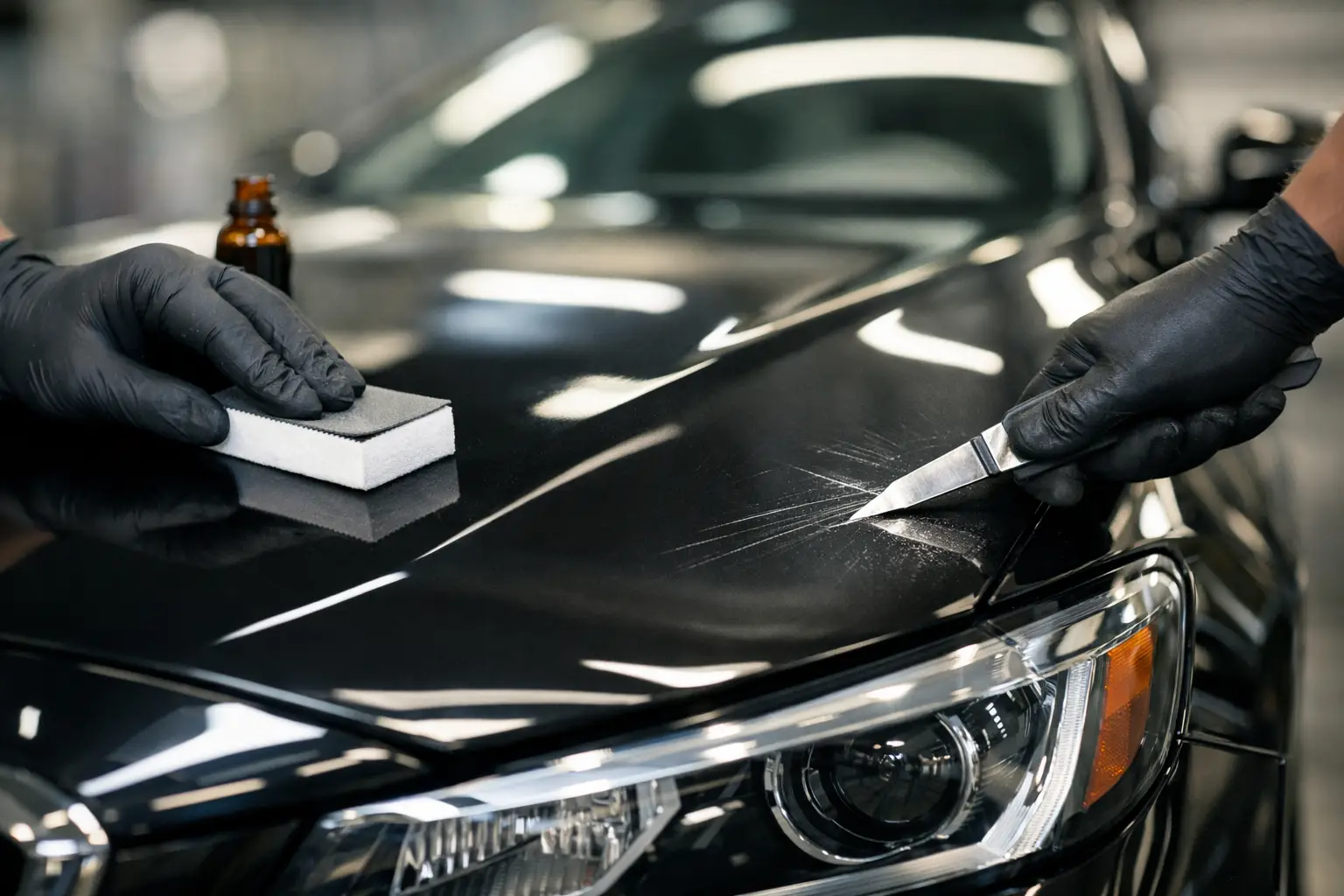
A freshly corrected paint finish can look almost liquid under showroom lighting. Then comes real ownership: a tight car park, a rushed wash, roadside dust, or a careless bag brushing against the door. So, does ceramic coating prevent scratches? Not entirely. It is an exceptional preservation layer, but it is not armour.
Ceramic coating helps a vehicle resist the fine marks, chemical staining and environmental wear that gradually dull factory paint. It cannot reliably stop deep scratches, stone chips or contact damage. Understanding that distinction is the difference between choosing protection with confidence and expecting the impossible from even the finest coating.
Does ceramic coating prevent scratches?
Ceramic coating can reduce the likelihood and visibility of very light surface marring, especially the fine swirl marks caused by poor washing technique, dry wiping or dusty contact. Its hard, slick surface creates a sacrificial barrier above the clear coat, helping dirt release more easily and reducing friction during careful maintenance.
However, a ceramic coating is extremely thin. Depending on the product and application system, the cured layer is measured in microns, not millimetres. A sharp fingernail, abrasive cloth, door edge, shopping trolley, road debris or another vehicle’s careless contact can still mark the surface beneath it.
Think of ceramic coating as a refined shield against daily deterioration, not a physical impact barrier. It protects the finish from becoming tired prematurely. It does not make paint invulnerable.
What a coating is genuinely good at resisting
The greatest strengths of a professionally installed ceramic coating are chemical resistance, hydrophobicity and easier maintenance. In Singapore’s hot, humid conditions, these qualities matter. Rainwater residue, traffic grime, bird droppings, tree sap, industrial fallout and UV exposure can all compromise an unprotected clear coat over time.
A quality coating slows this environmental assault. Water beads and sheets away more readily, contaminants are less likely to bond aggressively, and the vehicle is easier to wash without repeated heavy scrubbing. That easier wash process is significant: many swirl marks are created during maintenance, not while driving.
Coatings also preserve gloss beautifully. By maintaining a cleaner, smoother surface, they help paint retain the depth and clarity that makes a premium vehicle look properly cared for.
What it cannot stop
Ceramic coating should not be selected as the primary defence against physical damage. It cannot prevent most stone chips at expressway speed, scratches from a metal buckle or zip, deep marks from branches, or dents and abrasions caused by car park contact.
It also will not correct existing scratches. Paint correction may reduce or remove eligible defects before coating, but the coating itself follows the condition of the paint. If a scratch has penetrated the clear coat, exposed colour, or reached the primer, it requires an appropriate repair rather than another layer of coating.
Be cautious of hardness claims, too. A 9H rating commonly refers to a pencil-hardness test. It does not mean the coating has a Mohs hardness of nine, nor does it mean a vehicle can resist all objects rated below that number. Real-world scratches involve pressure, angle, dirt trapped between surfaces and the material making contact. Those conditions are far more complicated than a laboratory pencil test.
Why coated cars can still develop swirl marks
A ceramic-coated vehicle can still develop swirls when it is washed carelessly. The coating makes contamination easier to remove, but it cannot neutralise grit dragged across a panel by a dirty sponge, low-grade towel or automatic car wash brush.
This is why protection and maintenance must be treated as one discipline. Use a pre-rinse to remove loose debris, wash with clean tools and suitable lubrication, then dry with fresh, high-quality microfibre towels. Avoid wiping dust from dry paint. Even a protected finish can be marked when abrasive particles are pressed against it.
The good news is that light marring is often easier to address on a coated vehicle than on neglected paint. In some cases, the defect affects the coating layer rather than the clear coat. A professional inspection can establish whether a maintenance treatment, partial reapplication or more involved paint correction is appropriate.
Ceramic coating versus paint protection film for scratches
For owners whose priority is scratch and chip resistance, paint protection film is the more capable solution. PPF is a substantially thicker, transparent urethane film applied over painted panels. Its physical thickness gives it a far greater ability to absorb the force of road debris, minor scuffs and everyday contact.
High-performance PPF can also feature self-healing properties for fine surface marks when exposed to heat. That makes it especially suitable for vulnerable areas such as the front bumper, bonnet, front fenders, side mirrors, door cups, door edges and luggage loading areas.
Ceramic coating and PPF are not competing choices in every case. They serve different purposes. PPF is selected where physical protection matters most; ceramic coating is selected for gloss, chemical resistance and maintenance ease across the vehicle. Many discerning owners choose PPF for high-impact panels and ceramic coating for the remaining painted surfaces, wheels and exterior trim.
The right arrangement depends on how and where the car is used. A weekend grand tourer kept mostly indoors has different needs from a daily-driven executive saloon that faces expressway debris, open-air parking and frequent car park exposure.
Choosing the right level of protection
The best protection plan begins with a realistic assessment of risk, not the most dramatic marketing claim. Consider the vehicle’s paint condition, daily mileage, parking environment, ownership horizon and tolerance for cosmetic imperfections.
Ceramic coating is an excellent choice when the objective is to preserve a corrected finish, simplify upkeep and reduce the effects of tropical weather and contamination. It is also a compelling option for owners who value high gloss and a consistently polished appearance but do not require impact resistance on every panel.
PPF deserves priority when factory paint preservation is paramount, particularly on a new luxury vehicle, a performance car with a low front end, or a vehicle intended for long-term ownership. Repainting a damaged panel may restore colour, but retaining original factory paint is often preferable for condition, craftsmanship and future value.
For the highest level of preservation, protect the areas most exposed to impact with PPF, then complement the rest of the exterior with a professionally applied coating. This approach is measured rather than excessive: protection is concentrated where it delivers the greatest return.
Making ceramic coating work harder for your paint
A coating performs at its best when it is applied to properly prepared paint. Professional decontamination and paint correction remove bonded contaminants and reduce eligible defects before the coating is installed. This creates the clean, even foundation required for optical clarity and consistent bonding.
After installation, maintenance remains essential. Wash before contamination has time to bake into the surface, remove bird droppings promptly, and avoid harsh degreasers or unverified wash chemicals. Park under shelter where practical, but do not assume covered parking eliminates risk – dust, condensation and accidental contact remain part of urban ownership.
Periodic professional maintenance is also valuable. It allows the finish to be inspected for traffic film, mineral deposits, clogged hydrophobic behaviour and emerging defects before they become more difficult to manage.
The preservation decision
Ceramic coating is not a promise that scratches will never happen. It is a sophisticated way to reduce the routine wear that slowly erodes paint quality, while making proper care simpler and more effective. For genuine scratch and chip defence, paint protection film remains the stronger physical solution.
A well-protected vehicle is not merely cleaner on collection day. It retains the crispness, depth and confidence of its original finish through the years. The most considered choice is to protect each panel according to the risks it faces, then maintain that investment with the same care that led you to make it.
