

Exterior Detailing Singapore for Lasting Paint

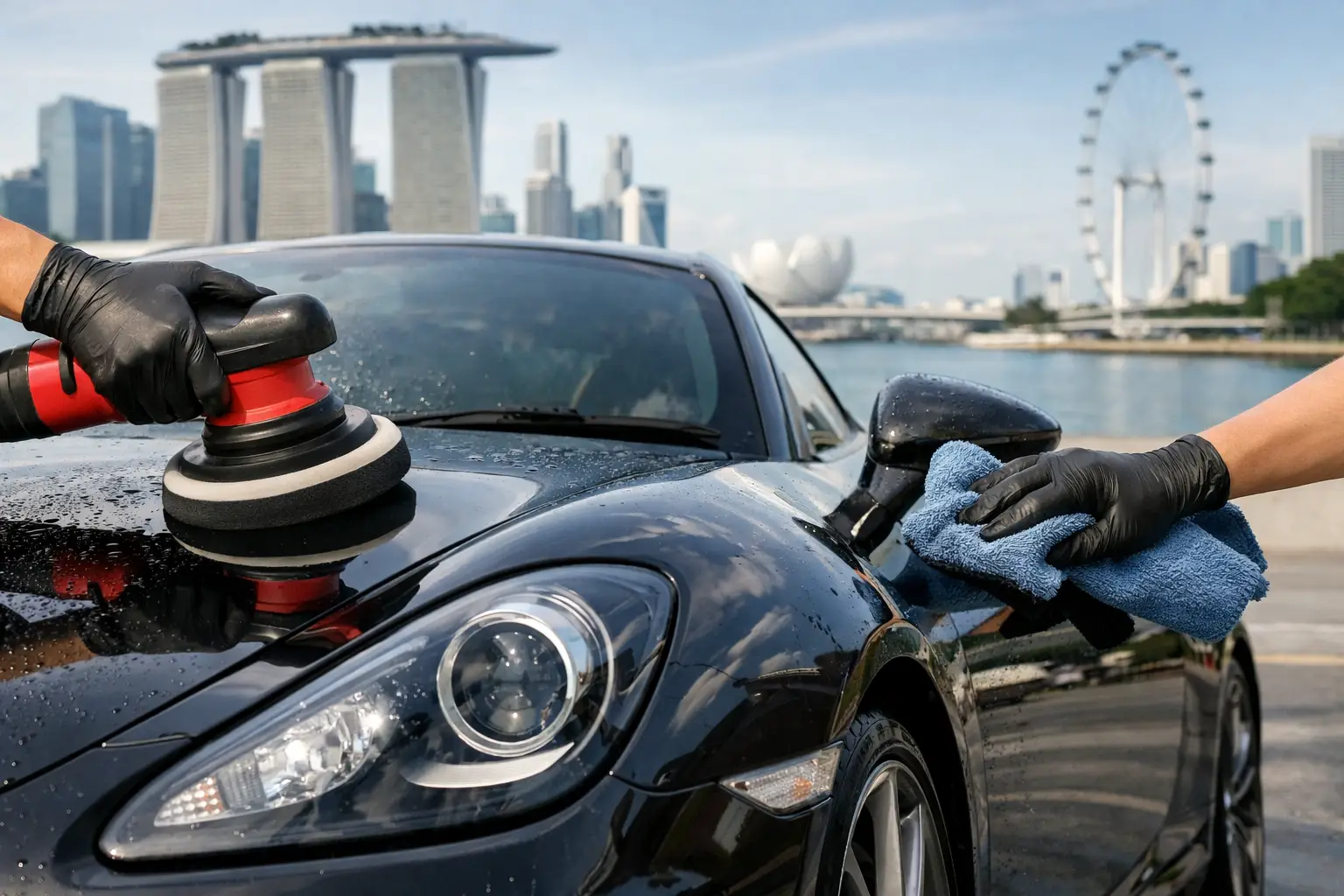
A black bonnet can reveal everything. Under Singapore’s midday sun, fine wash marks become visible, water spots harden into pale rings, and traffic film dulls what once looked like deep, flawless paint. Exterior detailing Singapore is not simply about restoring shine for the weekend. It is a disciplined process of removing contamination, correcting avoidable defects, and preserving the finish that protects both your car’s appearance and its long-term value.
For owners who take pride in a premium vehicle, the distinction matters. A routine wash addresses loose dirt. Proper exterior detailing addresses what remains bonded to the surface, what has already compromised gloss, and what will continue to degrade the paint if left untreated.
Why Singapore Demands Better Exterior Care
Singapore’s climate is relentless on automotive finishes. High UV exposure accelerates oxidation and fading, particularly on darker colours and horizontal panels such as the bonnet, roof and boot lid. Sudden rainfall leaves mineral deposits behind when water evaporates. Humidity, construction dust, industrial fallout, tree sap, bird droppings and road grime all accumulate in ways that a quick wash cannot fully resolve.
The damage is often gradual rather than dramatic. A car may still look clean from several metres away, yet feel rough to the touch or appear hazy under direct light. This is where many owners make an expensive mistake: they wait until the paint looks visibly tired before arranging professional care. By then, deeper correction may be needed, and every additional polishing session removes a measured amount of clear coat.
The art of preservation is to intervene before neglect becomes permanent. A considered detailing schedule keeps contamination under control and reduces the need for aggressive correction later.
What Exterior Detailing Singapore Should Include
Premium exterior detailing is a sequence, not a single product or a fast polish. The exact scope should be determined after inspecting the vehicle’s paint condition, prior protection, usage pattern and parking environment. A daily-driven executive saloon kept outdoors has different requirements from a weekend sports car stored under cover.
A Safe, Methodical Wash
The process begins with safe cleaning. Wheel arches, tyres, badges, panel gaps and lower sections receive attention because these areas retain abrasive grit. A careful pre-wash helps loosen dirt before contact washing, lowering the risk of dragging contaminants across the paint.
Technique matters as much as shampoo. Poor washing habits are one of the primary causes of fine swirls on modern clear coats. Luxury paintwork should never be treated as if it were a commercial fleet vehicle. Clean tools, controlled contact and proper drying are fundamental, not optional extras.
Chemical and Physical Decontamination
Paint can look clean while holding a surprising amount of bonded contamination. Iron particles from braking and road debris embed themselves into the surface. Tar collects along lower doors and behind wheel arches. Industrial residue and overspray may create a rough texture that ordinary washing cannot remove.
Professional decontamination uses surface-appropriate chemical treatments, followed where necessary by a careful physical decontamination stage. The aim is to leave the paint clean and smooth without causing unnecessary marring. This stage is particularly important before polishing or applying any protective treatment. Protection applied over contamination may still bead water, but it will not deliver the clarity, bonding quality or refined finish expected of a premium service.
Paint Assessment and Correction
Paint correction is the moment where detailing becomes craftsmanship. Under controlled lighting, a specialist assesses swirl marks, random scratches, water-spot etching, oxidation and uneven gloss. Not every imperfection should be chased. The correct approach balances visual improvement with the preservation of paint thickness.
A single-stage polish may be sufficient for a newer vehicle with light wash marks. Older or more heavily used cars may benefit from a multi-stage correction process. Yet deeper defects are not always candidates for complete removal. If a scratch has penetrated beyond the clear coat, attempting to level it entirely may be unwise. Professional judgement means knowing when improvement is the superior outcome to over-correction.
This is also why a low-price polish can be misleading. A car may emerge glossy after heavy fillers temporarily mask defects, only for the same marks to reappear after a few washes. True correction is measured by the condition of the paint under honest lighting, not only by how it looks at collection.
Protection That Fits the Vehicle
Once the paint has been refined, it needs a defence strategy. Protective options vary in durability, appearance, maintenance demands and impact resistance. There is no universal answer because ownership habits differ.
A quality paint protection coating can provide enhanced gloss, hydrophobic behaviour and resistance to routine environmental staining. It is a strong choice for owners seeking easier maintenance and a more enduring finish, provided the vehicle is washed correctly afterwards.
Paint protection film offers a different form of protection. It is designed for areas prone to stone chips, abrasion and road debris, making it especially compelling for front bumpers, bonnets, side mirrors, sills and other high-impact zones. For a performance or luxury vehicle that regularly travels at speed, the added physical barrier can be more valuable than gloss alone.
Many discerning owners choose a combined approach: impact-prone sections protected with film, with the remaining painted surfaces treated for enhanced gloss and maintenance. The right recommendation depends on how the vehicle is driven, where it is parked and how long the owner intends to keep it.
Detailing Is Not a Substitute for Good Maintenance
Even the finest exterior detailing cannot compensate for careless ownership habits indefinitely. Parking beneath trees for long periods, allowing bird droppings to sit on the paint, using harsh roadside wash methods, or repeatedly wiping a dusty car dry will undermine the result.
A protected vehicle still needs gentle, consistent maintenance. Bird droppings and tree sap should be removed promptly. Water spots should not be allowed to bake under the sun. Washing should be scheduled according to exposure rather than a fixed calendar alone. A car driven daily through open-air car parks and expressways may need attention more often than one used mainly at weekends.
There is also a practical trade-off between perfection and use. An enthusiast vehicle can be kept close to concours condition with disciplined care, but a family SUV used every day will naturally encounter more wear. The goal is not anxiety over every mark. It is to maintain a finish that continues to look composed, protected and appropriately cared for throughout ownership.
When Should You Book Exterior Detailing?
The clearest signs are a paint surface that feels rough after washing, gloss that appears muted, visible swirls under sun or car park lighting, stubborn water spots, or a noticeable decline in water behaviour. New vehicles can also benefit early, before dealership wash marks and daily environmental exposure accumulate.
For pre-owned purchases, exterior detailing is often a valuable first appointment. It establishes a known baseline, reveals the true condition of the paint, and gives the new owner a clear plan for protection. It can also be worthwhile before a major occasion, resale listing or handover, although the greatest return comes from preserving the vehicle consistently rather than treating appearance as a last-minute correction.
At EA Detailer, the best exterior work begins with an honest assessment rather than a standardised package. The objective is not to sell the most treatment, but to select the level of correction and protection that respects the vehicle, the paint and the owner’s expectations.
The Finish You See Is Only Part of the Value
A properly detailed exterior photographs better, reflects light with greater depth and makes every arrival feel more considered. Yet the deeper value lies beneath that immediate visual impact. Clean, corrected and protected paint is easier to maintain, less exposed to preventable wear, and better positioned to support a strong resale impression when the time comes.
Your vehicle does not need to be rare to deserve specialist care. It only needs to be an asset you intend to enjoy, preserve and present with pride. Treat exterior detailing as part of ownership discipline, and the finish will continue to reward you long after the initial gloss has caught your eye.
