

Car Paint Oxidation Treatment: A Lasting Fix

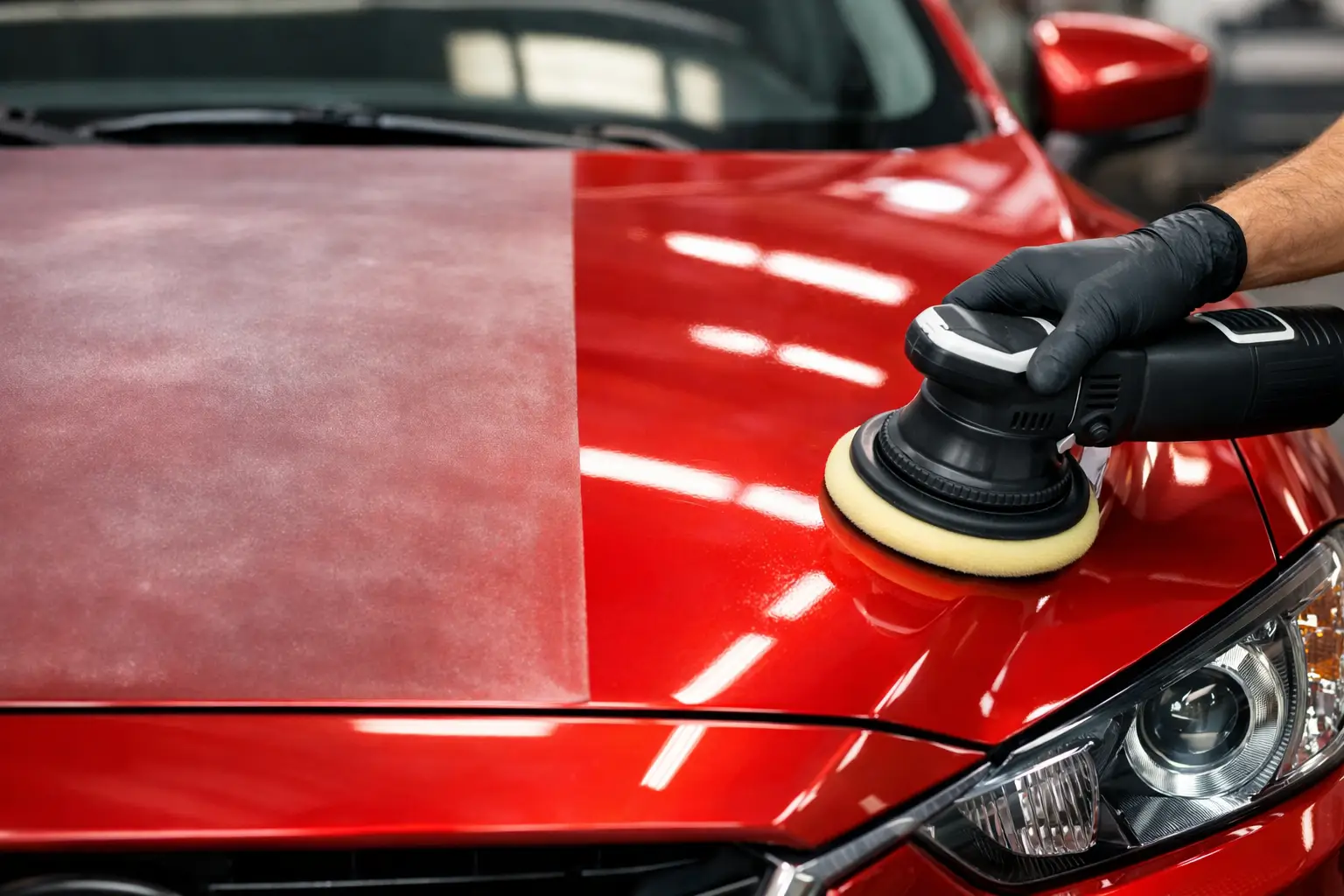
A once-deep black that now looks grey. A red finish that has turned chalky on the bonnet and roof. A dull, uneven sheen that remains even after a careful wash. These are not merely signs of a dirty car. They indicate paint oxidation, and a proper car paint oxidation treatment is the difference between temporary gloss and genuine restoration.
For owners who value their vehicle as a long-term asset, oxidation deserves early attention. Singapore’s intense UV exposure, persistent humidity, sudden rain and airborne contamination create demanding conditions for any exterior finish. Left untreated, oxidation can progress from an aesthetic concern to clear-coat failure that requires refinishing rather than detailing.
What Paint Oxidation Actually Does to Your Finish
Modern automotive paint is typically protected by a clear coat. This transparent layer gives the surface depth and gloss while shielding the colour coat beneath from sunlight, moisture and contaminants. Over time, ultraviolet radiation breaks down that surface. Oxidised paint loses its smooth, reflective structure and begins to scatter light, producing the flat, faded appearance many owners notice first on horizontal panels.
The bonnet, roof and boot lid are usually the earliest casualties because they receive the greatest sun exposure. Dark colours can appear hazy; bright colours can lose richness; white paint may take on a tired, yellowed character. Parking outdoors regularly accelerates the process, but sheltered cars are not immune. Heat, industrial fallout, tree residue, acidic rain and infrequent maintenance can all compromise the paint surface.
Oxidation is sometimes confused with water spotting, embedded contamination or fine swirl marks. These conditions can coexist, yet they call for different correction methods. A professional inspection determines whether the dullness sits in the uppermost layer, whether it can be safely polished away, and how much clear coat remains available for correction.
When Car Paint Oxidation Treatment Can Restore the Paint
The most effective treatment depends on the severity of the oxidation. Mild cases may respond exceptionally well to a measured enhancement polish, which removes a microscopic amount of compromised clear coat and restores clarity. Moderate oxidation often requires a more deliberate multi-stage paint correction process to level the damaged surface and refine the finish.
At this stage, the result can be striking. Depth returns to dark paint, metallic flakes become more defined and reflections sharpen. Yet professional correction is not about pursuing the most aggressive polish possible. It is about achieving meaningful restoration while preserving as much healthy clear coat as possible. That balance matters, particularly for premium vehicles expected to retain their finish and value over many years.
Severe oxidation is a different proposition. If the clear coat has become visibly cracked, rough, peeling or has failed completely, polishing cannot rebuild what is no longer present. Refinishing may be the responsible solution. An honest specialist should identify this boundary rather than promise a correction that the paint cannot safely support.
Why DIY Products Often Produce Short-Lived Results
Off-the-shelf oxidation removers, glaze-heavy polishes and all-in-one products may add temporary shine. Some conceal dullness with oils or fillers, while others use abrasives without giving the owner meaningful control over pad choice, heat generation or paint thickness. The car can look improved for a short period, only for the haze to reappear after several washes.
There is also a practical risk. Repeated enthusiastic polishing can remove more clear coat than intended, create unevenness at panel edges or introduce swirls that become obvious under direct sunlight. A luxury finish should not be treated as an experiment. The safer route is a paint assessment, calibrated machine polishing and a protection plan designed around the vehicle’s actual condition.
The Professional Car Paint Oxidation Treatment Process
A refined result begins well before the polishing machine touches the paint. The vehicle is thoroughly cleansed to remove traffic film, oils and bonded contaminants that can interfere with correction. Decontamination matters because polishing over embedded particles can create further marring and conceal the true condition of the clear coat.
The paint is then assessed under focused lighting. This reveals oxidation, scratches, swirl marks, water-spot etching and previous repair work that ordinary daylight may hide. Paint readings, where appropriate, provide additional guidance on how much correction is sensible. Not every panel should receive the same approach, especially where a vehicle has been repainted or has a thinner clear coat.
Correction follows through carefully selected compounds, polishing pads and finishing techniques. The aim is to remove the oxidised, damaged portion of the surface while refining it into a clear, even gloss. Deep scratches may be softened rather than fully removed if complete removal would compromise paint integrity. This is not a compromise in standards. It is the discipline of preservation.
After correction, the restored paint needs protection immediately. Freshly refined clear coat looks its best, but it remains exposed to the same UV, heat and contamination that caused the oxidation in the first place. A premium paint protection coating can create a durable sacrificial layer that enhances gloss, improves water behaviour and makes routine washing easier. For high-impact areas or owners seeking stronger physical protection, paint protection film can complement the strategy by defending vulnerable panels from stone chips and road abrasion.
The right choice depends on driving habits, parking conditions, vehicle age and ownership plans. A coating is well suited to owners prioritising gloss, chemical resistance and ease of care across the painted exterior. Paint protection film offers a more substantial barrier in areas exposed to physical impact. Neither replaces sensible maintenance, but both can greatly slow the return of environmental wear.
Protecting Restored Paint in Singapore’s Climate
A corrected vehicle should not simply return to the same routine that allowed oxidation to develop. Regular, careful washing removes pollutants before they bake onto the finish. Use pH-balanced products, clean wash media and techniques that minimise friction. A rushed wash with dirty sponges can reintroduce fine defects surprisingly quickly.
Dry the vehicle properly after washing, particularly around badges, mirrors and trim where mineral-rich water can linger. If bird droppings, insect residue or tree sap land on the paint, remove them promptly. Their acidity and staining potential increase significantly when exposed to heat.
Covered parking remains one of the simplest forms of paint preservation. Where it is not practical, a properly maintained protective coating becomes more valuable, not less. Periodic professional inspections can also identify declining water behaviour, contamination or early oxidation before the finish needs intensive correction again.
How Often Should Oxidation Be Corrected?
There is no fixed annual schedule for paint correction. Unlike washing, polishing should not become an automatic ritual because every correction removes some paint material. A well-maintained car may only require a light enhancement after several years, while a vehicle parked outdoors daily may need earlier attention.
The priority is to correct only when the paint condition warrants it, then preserve the result with appropriate protection and maintenance. Owners should be wary of packages that recommend heavy compounding at every visit without a clear explanation of paint condition and clear-coat preservation.
Restoration Is Only Half the Investment
The most satisfying car paint oxidation treatment does more than make a vehicle look freshly detailed on collection day. It restores visual clarity while setting a new standard for how the paint is protected afterwards. For prestige, executive and enthusiast vehicles alike, that distinction protects the craftsmanship already present in the factory finish.
At EA Detailer, the approach should always begin with condition, not assumption. When fading is addressed early and followed by disciplined protection, your paint can retain the depth, elegance and confidence that made the vehicle worth choosing in the first place.
