

Professional Paint Coating Review: Is It Worth It?

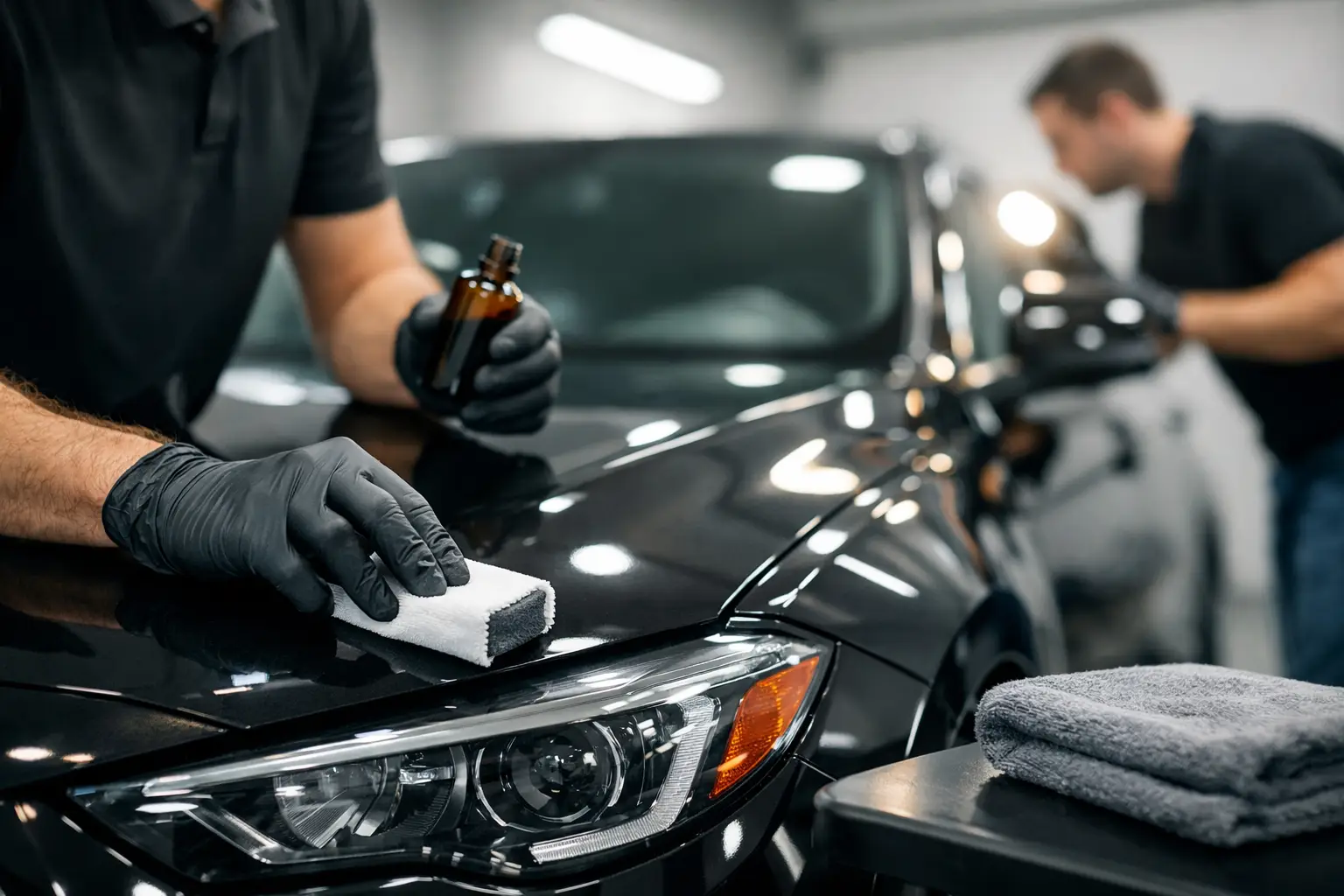
A professional paint coating review should begin long before the coating bottle is opened. On a dark-coloured executive sedan, a new coating may create remarkable depth and gloss. Yet if the paint beneath carries wash marring, bonded contamination or poorly corrected defects, that same coating can preserve every imperfection in high definition. The result is why professional workmanship, not a promised hardness rating alone, determines whether paint protection feels truly premium.
For Singapore owners, the decision carries added weight. Persistent UV exposure, tropical rain, construction dust, road film, tree sap and frequent washing steadily diminish the clarity of factory paint. A professionally applied paint coating is designed to reduce that burden, enhance the finish and make disciplined maintenance more rewarding. It is not invincibility in a bottle, but on the right vehicle and under the right care regime, it is a meaningful investment in preservation.
What a Professional Paint Coating Actually Does
A modern paint coating is a liquid-applied protective layer that chemically bonds to the vehicle’s clear coat. Once cured, it creates a smoother, more resistant surface with stronger water repellency, improved gloss and greater resistance to common environmental contaminants than unprotected paint.
Its most visible benefit is often water behaviour. Rainwater and wash water tend to bead or sheet away more readily, carrying loose dirt with them. This does not mean the car remains clean indefinitely, especially after a wet drive along the expressway. It means grime generally adheres less aggressively and routine washing can be gentler and more efficient.
A quality coating also provides a degree of protection against oxidation, UV-related dullness, bird droppings, insect residue and mineral deposits. That distinction matters. Resistance buys valuable response time when contamination lands on the paint. It does not give permission to leave acidic bird droppings or hardened water spots untouched for weeks.
The visual effect is equally compelling. Coatings can sharpen reflections, deepen colour and give metallic paint a more glass-like appearance. On a well-corrected premium vehicle, this heightened clarity makes the finish feel closer to showroom condition for longer.
Professional Paint Coating Review: The Standard Behind the Shine
The strongest coating cannot compensate for weak preparation. This is the point frequently missed when comparing packages solely by price, warranty duration or marketing claims.
Professional application begins with a careful assessment of the vehicle’s paintwork. A new car may still arrive with dealership wash marks, transport film residue or minor defects from handling. A pre-owned car may require more extensive decontamination and paint correction before protection can be applied. Paint thickness, panel condition, previous treatments and the owner’s intended use all influence the correct scope of work.
The preparation process typically involves a meticulous wash, chemical and mechanical decontamination, drying, paint inspection and machine polishing where needed. The coating is then applied panel by panel in controlled conditions, levelled correctly and allowed to cure according to the product’s requirements. These steps are not theatrical extras. They determine optical clarity, bonding quality and the uniformity of the finished surface.
An experienced specialist will also explain what the service cannot resolve. Deep scratches that have penetrated the clear coat, stone chips and prior poor-quality repainting may require paint repair or refinishing before a coating is considered. Applying protection over unresolved damage can make a vehicle easier to maintain, but it does not restore the underlying craftsmanship.
Coating Versus Paint Protection Film
Paint coating and paint protection film are often discussed as though one must replace the other. They serve different priorities.
A coating is best understood as chemical and cosmetic protection. It enhances gloss, simplifies maintenance and improves resistance to environmental staining. Paint protection film is a physical barrier designed to absorb the impact of road debris, reduce the risk of stone-chip damage and offer a more substantial defence on exposed surfaces.
For a vehicle that spends most of its time in city driving and is maintained carefully, a premium coating may be a very sensible standalone choice. For owners of performance cars, luxury SUVs, low-slung vehicles or cars that regularly travel at speed, film on high-impact zones such as the front bumper, bonnet, side mirrors and front fenders may be the more strategic first investment.
The considered approach is often a combination: physical protection where impact risk is highest, followed by a coating over suitable painted and protected surfaces for enhanced appearance and easier upkeep. It depends on the car, its paint condition, parking environment, mileage and the owner’s tolerance for visible chips over time.
What Durability Claims Really Mean
Long-duration coating claims deserve a measured reading. Durability is not simply a countdown printed on a certificate. It reflects product chemistry, preparation quality, curing conditions, driving exposure, wash technique and ongoing maintenance.
A car parked outdoors daily in Singapore faces a different reality from a weekend vehicle kept under shelter. Likewise, frequent automated brushes, harsh degreasers and neglected contamination can reduce the coating’s performance far sooner than expected. A coating may still be present while its water behaviour and visual crispness have declined, which is why professional inspections and maintenance washes remain worthwhile.
Ask how the coating is expected to perform in real local conditions, what is covered by any warranty and what maintenance is required to retain its benefits. Clear answers are a mark of a service provider focused on long-term outcomes rather than a one-day handover.
Be cautious of exaggerated claims around scratch resistance. A coating can reduce fine wash-induced marring when paired with correct wash habits, but it cannot prevent every scratch from a careless wipe, a carpark encounter or abrasive contact. Its value lies in reducing avoidable wear, not rewriting the physics of paint damage.
The Ownership Habits That Protect the Investment
A professionally coated vehicle still deserves intelligent care. The coating changes the maintenance experience, but it does not eliminate it.
Use pH-balanced wash products, clean wash media and a safe drying method. Avoid letting mineral-rich rainwater dry repeatedly in direct sunlight, particularly on dark paint. Remove bird droppings, tree sap and fresh insect residue promptly with a suitable detailing product and a soft microfibre cloth. When visiting a wash facility, be selective about practices that may introduce swirl marks through reused towels or aggressive brushes.
Regular professional maintenance can identify water spotting, contamination build-up or early paint defects before they become more difficult to correct. This is particularly useful for owners who value a consistently composed finish rather than a brief post-detailing shine.
At EA Detailer, the focus is not merely on making paint look impressive at collection. It is on selecting and applying protection that supports the vehicle’s condition through the years of ownership that follow.
Who Should Consider a Professional Coating?
A professional coating is especially suited to owners who appreciate a refined appearance, wash their vehicles with care and want to preserve original paintwork without changing the character of the finish. It can be an excellent choice for new vehicles, well-maintained pre-owned examples and cherished weekend cars alike.
It may be less suitable as a first step for a vehicle with extensive paint damage, recurring parking exposure to physical impacts or an owner who expects zero maintenance. In those cases, paint correction, targeted repairs or paint protection film may take priority.
The right question is not whether a coating is the best protection for every car. It is whether it aligns with how your vehicle is driven, stored and maintained. When the answer is yes, the reward is more than impressive gloss under showroom lighting. It is the quiet confidence of seeing your paintwork remain composed, protected and worthy of the car it represents.
