

Car Coating Versus Wax: What Protects Better?

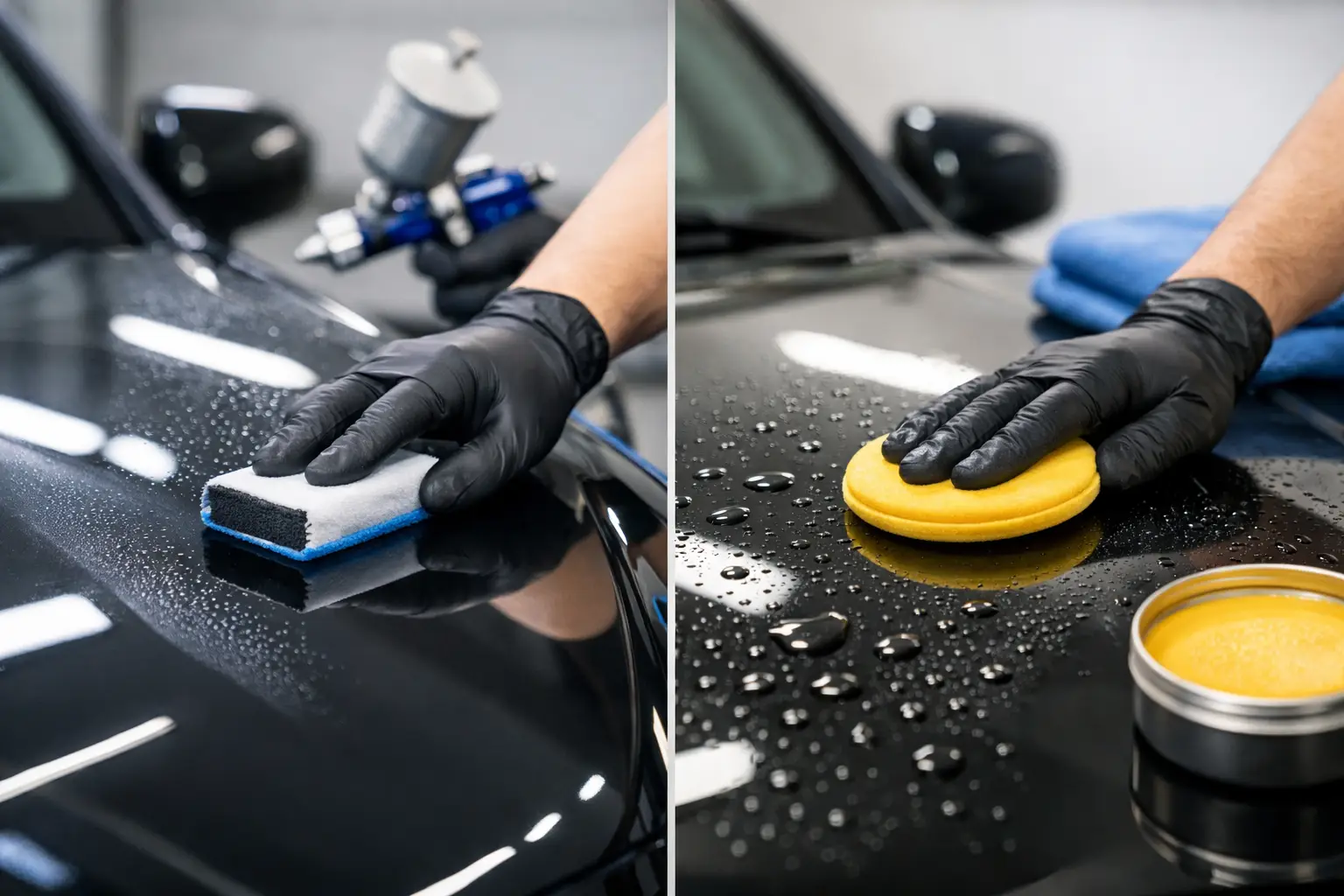
A freshly detailed vehicle can look equally impressive after a wax or a paint coating. The difference becomes visible weeks later, when tropical rainwater has dried on the panels, afternoon heat has tested the finish, and daily road grime begins to cling to the paint. In the debate over car coating versus wax, the right answer is not simply about which product shines more brightly on collection day. It is about the standard of protection your vehicle needs after it leaves the studio.
For owners who regard their vehicles as valuable assets, paint protection is a preservation decision. Wax remains a respected detailing classic, valued for its warmth and immediate gloss. A professionally applied coating, however, is engineered for a more demanding role: enduring environmental exposure while making routine maintenance more controlled and rewarding.
Car Coating Versus Wax: The Essential Difference
Wax is a sacrificial protective layer, traditionally made from natural carnauba, synthetic polymers, or a blend of both. It sits on the surface of the clear coat, enhancing depth and gloss while creating a temporary barrier against water, dust, and light contamination. Its beauty lies in its simplicity. Applied well, it can make paint look richer, particularly on dark colours and classic finishes.
A paint protection coating is a liquid-applied chemical treatment that cures and bonds with the painted surface. Modern ceramic-based coatings form a more durable, chemically resistant layer that is far less vulnerable to heat, rain, detergents, and routine washing than conventional wax. The result is not an invincible shell, but a substantially more resilient surface with enhanced water behaviour, gloss retention, and ease of upkeep.
This distinction matters in Singapore. High UV exposure, intense humidity, frequent rainfall, industrial fallout, tree sap, bird droppings, and stop-start driving create a demanding environment for unprotected paint. A product that performs beautifully for a few weekends may not provide the long-term assurance expected for a premium vehicle.
Durability Is Where Coating Takes the Lead
Wax normally lasts from several weeks to a few months, depending on the product, washing habits, storage conditions, and exposure. Regular shampooing, strong cleaning chemicals, and prolonged sun can reduce its effectiveness quickly. It therefore suits owners who enjoy hands-on detailing and are prepared to reapply protection regularly.
A professionally installed coating is designed to last considerably longer. Its performance still depends on the coating system selected, paint preparation, driving conditions, and maintenance discipline, but it provides a more enduring defence than wax. This longer service life is particularly valuable for owners who do not want protection to disappear between grooming appointments.
Durability is not merely a convenience feature. When the surface remains protected, contaminants are less likely to bond aggressively to the clear coat. This can reduce the frequency of intensive decontamination and aggressive polishing, both of which should be approached carefully on factory paint.
Gloss: Warmth Versus Precision
Wax has a distinctive visual character. Quality carnauba waxes can produce a soft, warm depth that appeals strongly to enthusiasts, especially on solid black, red, and darker metallic paints. For a weekend car, a concours vehicle, or an owner who enjoys the ritual of refining the finish, wax retains genuine appeal.
Coatings tend to deliver a sharper, more reflective look. They emphasise the clarity of the paint beneath, creating crisp reflections and a glass-like finish when the surface has been properly corrected. On modern luxury and executive vehicles with complex metallic or pearl finishes, this precision can look exceptionally refined.
Neither finish is automatically superior. The condition of the paint determines the result more than the final protection layer alone. Swirls, oxidation, water spotting, and holograms will not disappear beneath wax or coating. Proper paint correction before coating is often what separates a merely glossy vehicle from one that looks truly preserved.
Water Behaviour and Everyday Maintenance
Many owners first notice a coating through its hydrophobic behaviour. Water beads and sheets away more readily, carrying loose dirt with it and helping the vehicle dry more cleanly. This does not mean a coated car never needs washing. It means washing is generally easier because grime has less purchase on the treated surface.
Wax can also bead water attractively when fresh. Yet its water repellency fades as the wax layer wears away. A coating retains this property for much longer when it is maintained with appropriate wash methods and products.
For a vehicle driven daily, reduced cleaning effort has real value. Road film, rain marks, fingerprints, and dust still occur, but the finish is more manageable. The owner can maintain a well-presented vehicle without repeatedly subjecting the paint to harsh cleaning or unnecessary abrasion.
Protection Limits: What Neither Treatment Can Do
A premium coating is a serious protection investment, but it should not be misrepresented. It cannot prevent stone chips, deep scratches, door dings, or impact damage. It also cannot eliminate the risk of water spots if mineral-rich rainwater or sprinkler water is left to bake on the paint.
Wax has even more limited defensive capability, but it remains useful as a gloss-enhancing maintenance product. In some cases, a compatible topper may be used over a coating to alter its appearance or boost water behaviour, provided the chosen products are suitable for the coating system.
Where impact resistance is the priority, paint protection film is the more appropriate solution for vulnerable zones such as the front bumper, bonnet, fenders, mirror caps, and door edges. Coating and film are not competing categories in every case. A considered protection plan may use each material where it performs best.
Cost Should Be Viewed Over the Ownership Period
Wax costs less upfront. For a vehicle that is garaged, lightly used, leased for a short period, or maintained by an owner who enjoys frequent detailing, it can be an entirely sensible choice. The investment is modest and the visual reward is immediate.
Coating requires greater initial expenditure because professional results rely on meticulous preparation. The paint must be assessed, cleansed, decontaminated, and often corrected before the coating is applied. Curing conditions, coating selection, and application technique also matter. A coating applied over neglected paint simply preserves the defects beneath it.
Over several years of ownership, coating can represent stronger value for drivers who want sustained gloss, reduced maintenance effort, and more consistent protection against environmental wear. The decision should not be based on the lowest entry price. It should be based on the condition of the vehicle, expected ownership duration, storage habits, and the level of finish you wish to maintain.
When Wax Is the Right Choice
Wax remains relevant when its limitations match the owner’s expectations. It is well suited to enthusiasts who enjoy maintaining their own cars, vehicles used sparingly, and owners seeking a particular warm visual character without committing to a long-term treatment. It can also be a practical interim option before a more comprehensive restoration or protection programme.
The key is honesty about upkeep. Wax asks for regular renewal. If that routine is neglected, the protection fades quietly while the car continues facing sun, rain, and contamination.
When a Professional Coating Is Worth It
A paint protection coating is the stronger choice for a newer vehicle, a recently corrected finish, or a premium daily driver expected to retain its appearance over time. It is especially suitable for owners who value a consistently clean, high-gloss presentation but have limited time for frequent detailing.
Professional assessment is essential because there is no single coating solution for every vehicle. Paint hardness, current defects, colour, parking conditions, mileage, and washing habits should influence the recommendation. At EA Detailer, this protection-first approach ensures that the treatment supports the vehicle’s condition and ownership goals rather than following a one-size-fits-all package.
The Better Choice Is the One You Will Maintain
Wax rewards commitment with classic richness. Coating rewards thoughtful preparation with longer-lasting defence, modern clarity, and easier maintenance. For most Singapore drivers protecting a valuable daily vehicle, coating offers the more complete answer to environmental exposure and long-term presentation.
Still, the finest protection begins before either product touches the paint. Start with a candid inspection of the finish, correct what can be corrected, and choose a treatment that respects both the vehicle’s current condition and the years you intend to enjoy it. That is how a well-kept car remains more than clean – it remains considered.
