
Can PPF be removed without damaging the paint?
 ead admin
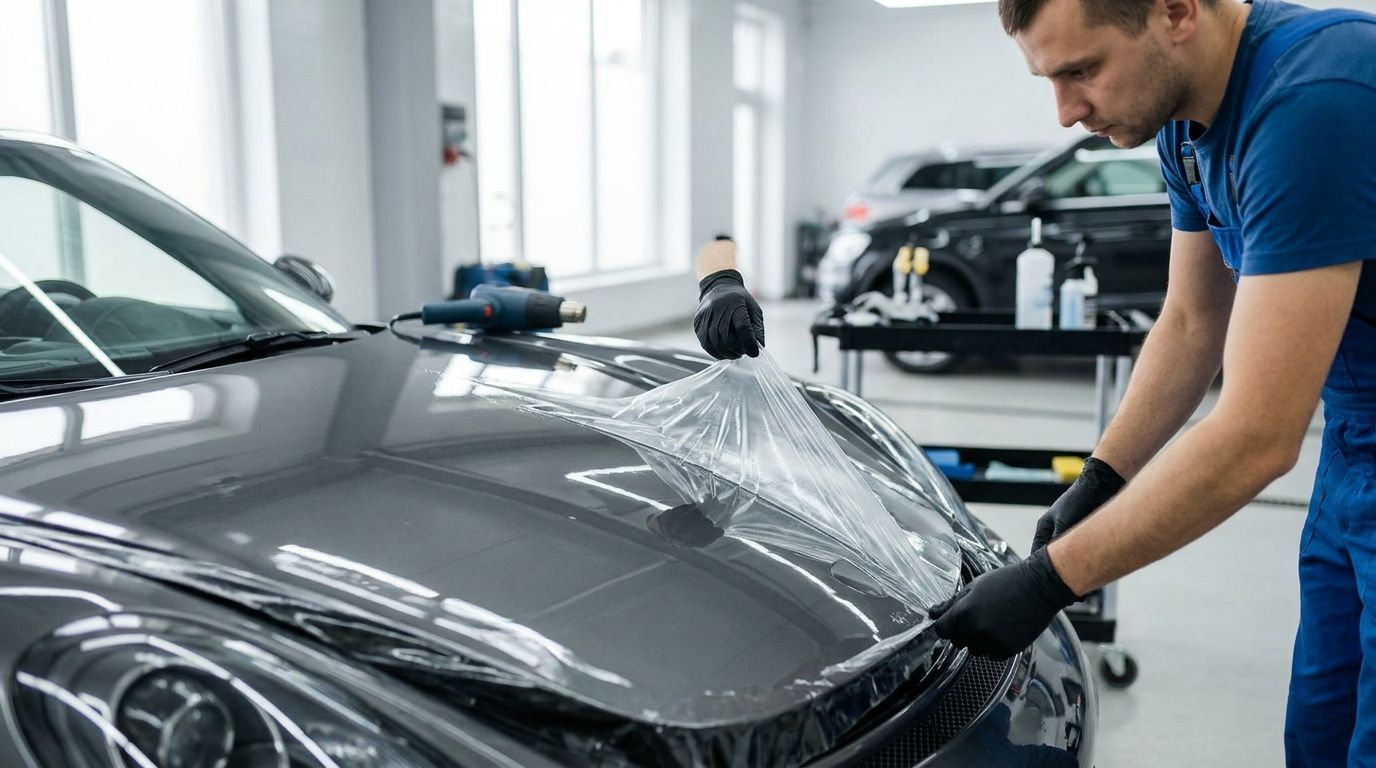
Yes, PPF can be removed without damaging the paint when the paint is sound and the film is removed using a controlled method appropriate to that film. Repainted panels, weak clear coat and deteriorated film increase the risk of paint lifting; adhesive residue can also remain after removal. Professional removal reduces avoidable risk, but it cannot guarantee that compromised paint will stay intact.
- Can PPF be removed without damaging the paint? Yes, but paint condition and removal technique determine the risk.
- Repainted panels and failing clear coat need closer assessment before paint protection film removal.
- Adhesive residue is not automatically paint damage; inspect the cleaned surface before deciding on correction.
- EA Detailer serves Singapore car owners seeking professional detailing and paint protection.
Can PPF be removed without damaging the paint?
PPF removal does not automatically damage paint. The critical question is whether the paint layers beneath the adhesive remain firmly bonded to the panel. A controlled removal process cannot repair weak adhesion between those layers.
For your 2026 removal appointment, ask for a panel-by-panel assessment rather than a blanket assurance covering the whole car. A factory-painted bonnet, a repaired bumper and a previously resprayed door can present different risks on the same vehicle.
Use these distinctions when discussing the job with an installer. The guide to choosing a PPF installer in Singapore provides a useful starting point for comparing preparation and assessment standards.
| Paint or film condition | What supports controlled removal | Limitation or concern | Best next step |
|---|---|---|---|
| Sound factory paint | No known repair history or visible coating failure | Factory paint is not an absolute guarantee against damage | Inspect and test before proceeding |
| Repainted panel | Repair records help identify the paint system and repair history | Adhesion and curing conditions can differ from factory paint | Assess the repaired panel separately |
| Chipped or peeling paint | Existing defects can be identified before work | Film removal can disturb already loose material | Document defects and assess with a paint repair specialist |
| Brittle or fragmented film | Careful testing shows how the film releases | Film can tear and leave adhesive behind | Adjust the method rather than increasing force |
Why this matters
For a luxury or performance car, preserving original paint involves more than avoiding visible scratches. Paint lifting can expose an underlying layer and require refinishing, while ordinary adhesive residue calls for a different response.
Judge the removal plan by how it protects the paint, not by how quickly the film comes off. A technician who stops to reassess an unstable edge is protecting your options, not failing to complete the job.
Sound factory paint: a more favourable starting point
Sound factory paint gives the technician a better starting point than paint that is already peeling or poorly bonded. That does not make every factory-painted panel suitable for uninterrupted removal. Stone chips, previous polishing damage and localised clear-coat failure still need inspection.
Ask the technician to look beyond the centre of each panel. Film edges, repaired chips, tight recesses and areas around trim deserve attention because the condition there can differ from the broad, flat surface.
For a new-car owner planning protection in 2026, keep the installation invoice and any pre-installation photographs. Those records help distinguish an existing defect from something discovered during eventual removal. They do not replace a fresh inspection.
Repainted panels: assess the repair before the film
A resprayed panel is not automatically unsuitable for PPF removal. The concern is the strength of the paint system beneath the film, including the bond between its layers and the underlying surface.
Tell the technician about accident repairs, cosmetic resprays, bumper refinishing and localised touch-ups. Include work completed before your ownership when you have records. An apparently uniform finish does not establish that every panel retains factory paint.
If the paint history is uncertain, say so plainly. A controlled test provides useful information about that location, but it does not certify the adhesion of the entire panel.
Best for repainted cars: a removal plan that treats each repaired area separately. The trade-off is a more cautious assessment and the possibility that paint repair advice is needed before work continues.
Deteriorated film: do not solve resistance with force
Film that tears, cracks or separates during removal requires reassessment. Pulling harder can increase stress on the surface without solving the reason the film is resisting release.
Appearance alone does not establish the condition of the adhesive underneath. Clear-looking film can still resist removal, while visible discolouration does not prove that paint damage will occur.
Describe what you can see when arranging an inspection: lifting edges, cracks, staining or sections that have already broken away. Avoid peeling a larger area simply to demonstrate the problem. Leave the technician an undisturbed edge to assess.
How should a technician remove PPF?
A sound removal process follows the condition of the vehicle and the film manufacturer's instructions. There is no universal heat setting or pulling angle that you should apply to every film and every painted surface.
1. Inspect and document
The technician should inspect the paint and film before starting, then record visible defects and known repairs. This establishes the condition being worked on and identifies areas requiring additional caution.
You should understand the difference between existing damage, uncertain paint history and a defect that becomes visible only after the film is removed. These are separate issues and should be discussed separately.
2. Test an edge
A controlled test at an appropriate edge helps establish how the film and adhesive release. The technician should watch the exposed paint as well as the material being lifted.
A successful test is a reason to proceed carefully, not permission to pull across the entire panel without checking. Conditions can change around a repaired section or damaged edge.
3. Control the release
Where the film manufacturer's method calls for heat, it should be applied in a controlled manner. Excessive heat is not a substitute for understanding why the film is resisting removal.
The technician should support the release progressively and reassess if the film fragments or the paint moves with it. Stop if paint begins lifting; do not continue to clear the panel for appearance's sake.
4. Remove residue
Remaining adhesive needs a paint-compatible cleaning method. Product suitability matters, particularly on refinished surfaces, matte finishes and areas with existing defects.
Avoid scraping painted panels with metal blades or attacking adhesive with abrasive household pads. An unsuitable removal method can create damage after the film itself has come away successfully.
5. Inspect the finish
Once the adhesive has been removed and the panel cleaned, inspect the exposed finish under suitable lighting. Only then decide whether the car needs further cleaning, paint correction, refinishing or replacement protection.
Do not approve polishing simply because the newly exposed panel looks different. First establish whether you are seeing residue, surface contamination, scratches or actual coating failure.
Why PPF removal risk varies
The removal date alone cannot establish whether a job is straightforward. For a 2026 assessment, the condition of the film and paint matters more than an unsupported promise based on age alone.
- Paint adhesion: Weak bonding within the paint system creates a risk that removal technique cannot eliminate.
- Repair history: Resprays, touch-ups and repaired edges require separate attention rather than assumptions based on adjacent factory paint.
- Existing defects: Chips, peeling clear coat and damaged panel edges can become points where paint starts lifting.
- Film condition: Brittle or fragmented film changes how the material can be handled and how much adhesive remains.
- Removal method: Heat, pulling technique and cleaning products must suit the film and the underlying finish.
- Panel details: Trim, recesses and wrapped edges affect access and how the technician controls the release.
These factors explain why two visually similar cars can need different removal plans. They also explain why a photograph is useful for an initial discussion but cannot replace physical assessment.
Should you remove PPF yourself or use a professional?
Professional assessment is the better choice when preserving the finish takes priority, especially with repaired paint or deteriorated film. DIY removal leaves you responsible for judging paint stability, controlling the release and selecting compatible adhesive cleaners.
| Approach | Best for | Advantage | Limitation |
|---|---|---|---|
| Professional removal | Owners prioritising paint preservation and assessment | A technician can adapt the process as conditions change | Professional technique cannot guarantee weak paint will remain attached |
| DIY removal | Owners with relevant experience and a clearly understood film and paint history | Direct control over the work | Mistakes in heat, pulling or cleaning can damage the finish |
Do not treat a short online demonstration as proof that your car will behave the same way. The demonstration cannot establish your repair history or show what is happening beneath your film.
EA Detailer is suited to Singapore car owners seeking professional detailing and paint protection. When discussing XPEL PPF, ChromaGard and ceramic coating, ask how each fits your intended protection plan rather than treating the names as interchangeable. Confirm the scope of any removal work separately.
Discuss your paint protection plan
Explain your paint history, current film condition and priorities before choosing the next step.
Is adhesive residue the same as damaged paint?
Adhesive residue is material left on the surface; paint damage is a change to or loss of the paint itself. The distinction matters because the correct response is different.
A tacky patch does not automatically require polishing. Conversely, a patch where clear coat has lifted cannot be restored simply by removing adhesive. Clean and inspect before deciding what treatment is appropriate.
Ask for photographs after residue removal if you cannot attend the inspection. A clean surface gives you a clearer basis for approving further work than a panel still covered in adhesive.
Can you put new PPF on immediately after removal?
New PPF should go onto a suitable, properly prepared surface, not directly over unresolved residue or failing paint. The technician needs to inspect the exposed panel before confirming the next installation step.
If removal reveals a repair requirement, resolve that first. Where refinishing is necessary, follow the paint system's curing requirements and the film manufacturer's installation guidance rather than choosing an arbitrary waiting period.
For a 2026 replacement plan, separate removal, surface assessment and new protection in the written scope. That makes clear what happens if the underlying paint is unsuitable for immediate installation.
Does removing PPF mean the paint needs polishing?
Polishing is not automatically necessary after PPF removal. The decision depends on the cleaned paint's condition and your intended finish.
Gloss paint with correctable surface defects presents a different decision from matte paint, where polishing can alter the appearance. Paint that is lifting or delaminating requires repair assessment, not an assumption that more correction will solve it.
Ask the technician to identify the defect before recommending the treatment. A clear diagnosis is more useful than a standard polishing step added to every removal job.
FAQ
Can PPF be removed without damaging factory paint?
Yes, PPF can be removed without damaging sound factory paint using an appropriate removal method. Existing defects and weak paint adhesion still create risk, so inspection comes first.
Will removing PPF pull paint off a resprayed panel?
PPF removal can lift paint from a resprayed panel if the paint system is poorly bonded or already failing. A repaint does not guarantee damage, but it requires separate assessment.
Is it safe to use a heat gun to remove PPF at home?
A heat gun is not automatically safe for DIY PPF removal. Heat application must suit the film and finish, and excessive heat can damage painted surfaces or nearby components.
Does glue left after PPF removal mean my paint is ruined?
Adhesive residue does not by itself mean the paint is ruined. Use a paint-compatible cleaning method, then inspect the clean finish for actual damage.
Should I polish my car after removing PPF?
Polish only if inspection identifies suitable, correctable defects. Polishing is not a remedy for peeling paint and can alter a matte finish.
Can I apply ceramic coating after PPF removal?
Ceramic coating requires a suitable, properly prepared surface after PPF removal. Remove adhesive and resolve paint defects before assessing coating suitability.
What should I tell the technician before a PPF removal appointment?
Tell the technician about resprays, accident repairs, touch-ups, known paint defects and the film’s installation history. Share invoices and photographs when available, and identify anything you do not know.
One last thing
The most useful preparation for a 2026 PPF removal appointment is a paint-history record, not a bottle of adhesive remover. Gather repair invoices, installation documents and photographs before anyone lifts an edge.
When speaking with EA Detailer about paint protection, make preserving sound paint the first requirement and the next protective finish the second. Remove the film, establish the paint's condition, then choose the next treatment.
Related guides
- How long does PPF last on a car in Singapore?
- Can ceramic coating be applied over PPF?
- Showroom collection to paint protection film workflow
- Paint protection for classic car collectors

Leave a Reply