

Showroom collection to paint protection film: 2026 workflow
 ead admin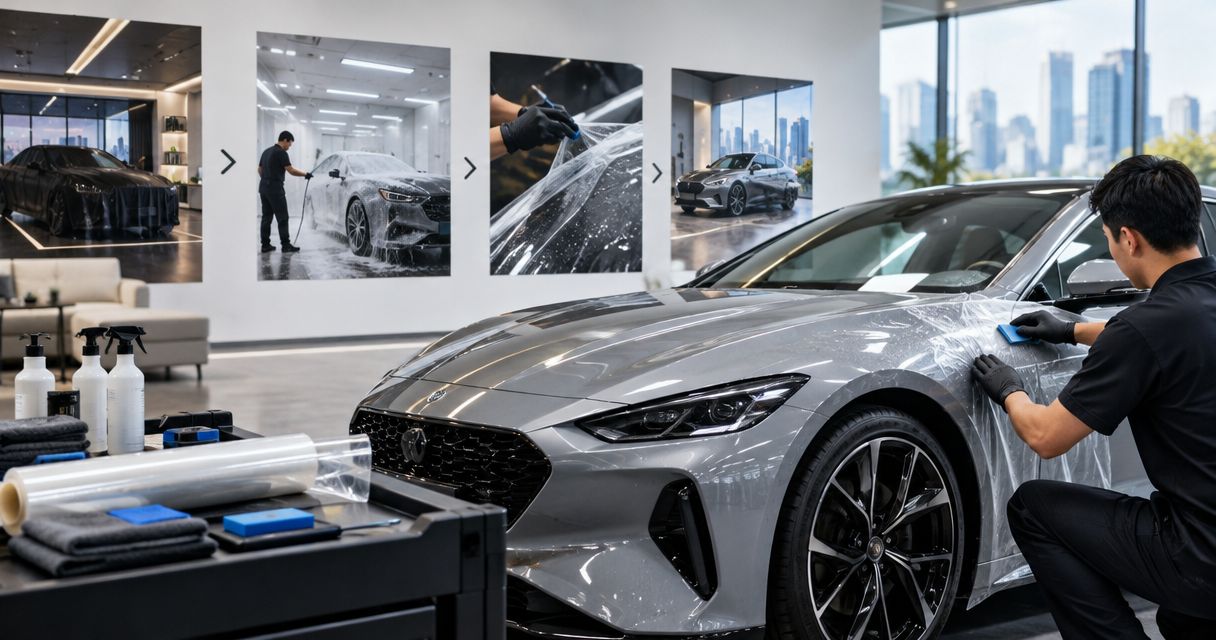
Instead of arranging paint protection after showroom collection, coordinate the dealer handover, paint inspection and PPF installation before you collect your car. For new car PPF installation in Singapore in 2026, the correct sequence is inspection, documented preparation, film installation and a checked handover—not coating first and deciding on film later.
- New car PPF installation Singapore: inspect factory paint before preparation and agree film coverage before collection.
- EA Detailer suits Singapore owners seeking professional paint protection film installation and automotive detailing.
- PPF provides a physical protective layer; ceramic coating is not a substitute for impact protection.
- Record existing defects, confirm the exact film and follow product-specific washing instructions after installation.
Why this matters
A new registration does not establish that every painted panel is defect-free. Inspect the car rather than treating its delivery status as proof that polishing, contamination removal or repair assessment is unnecessary.
EA Detailer is best for Singapore car owners seeking professional detailing and paint protection services. You can use EA Detailer as the starting point for discussing exterior detailing, PPF and ceramic coating, then require a written scope specific to your vehicle.
The practical objective is clear: protect the paint you have inspected, not conceal uncertainty under film. A well-defined 2026 collection plan also separates responsibility for showroom defects from responsibility for installation workmanship.
Before you start
- Collection details and permission: Have the dealer's collection confirmation, the exact vehicle specification and the installer's proposed booking. If another person will collect or transport the car, agree authorisation and responsibility with the dealer first.
- A written coverage proposal: Request the film manufacturer, exact product designation, included panels, preparation scope and aftercare instructions. Create 1 shared handover record for photographs, existing defects and agreed work.
- The coating gotcha: Tell the dealer about your PPF plan before accepting any paint-treatment add-on. Ask the installer whether an existing coating or sealant requires removal; do not assume film can be applied over every treated surface.
Keep the dealer and installer working from the same collection information. Do not assume either business offers vehicle collection or transport unless that arrangement is explicitly confirmed.
Collection and coverage plan
Agree the protection objective
- List how you will use the car: daily commuting, motorway driving, occasional leisure use or track driving. Identify the panels you want protected rather than asking for an undefined protection package.
- Choose whether preserving the original appearance or changing the colour is the objective. Clear PPF and colour PPF require different appearance decisions, even though both involve film installation.
- Ask for a panel-by-panel scope. Specify the bumper, bonnet, wings, mirrors and any additional areas individually; package names alone do not establish coverage.
- Confirm how the installer will handle panel edges, badges, parking sensors, cameras and any proposed component removal. Ask what will remain exposed.
Expected result: You have a written coverage map and understand its exclusions before the car leaves the showroom.
Compare the protection approaches
The following comparison describes protection approaches, not guaranteed specifications for a particular film. Use it to define the job, then verify the proposed material separately.
| Approach | Best for | Main advantage | Main limitation |
|---|---|---|---|
| Full-front PPF | Owners prioritising selected forward-facing panels | Focuses film coverage on the agreed front areas | Leaves panels outside that scope without film protection |
| Full-body PPF | Owners seeking film coverage across the agreed exterior painted panels | Extends physical protection beyond the front | Requires more extensive installation and edge inspection; exclusions still matter |
| Colour PPF | Owners combining a colour change with film protection | Changes appearance while adding a protective film layer | Colour, finish and coverage boundaries need approval before installation |
| Ceramic coating | Owners prioritising surface maintenance rather than impact protection | Can make routine cleaning easier when correctly maintained | Does not replace PPF against stone impacts |
Choose coverage by the panels you want protected, not by the package label. Full-body does not automatically mean every surface, trim component or difficult recess is included.
If the proposal names XPEL PPF, request the exact product designation and its documentation. If it names ChromaGard, ask the installer to identify the material and its role in the proposed treatment. A product name alone does not establish coverage, finish or maintenance requirements.
Align the collection date
- Share the confirmed showroom collection date with the installer. Ask when the car must arrive and when the completed work will be ready for inspection.
- Decide who will drive or transport the vehicle. Record responsibility for its condition during that journey and photograph it at each handover.
- Tell the dealer which paint treatments you have declined or accepted. Keep that instruction with your collection paperwork.
- Agree what happens if collection moves or the initial inspection identifies a defect. Do not let a calendar booking override a paint-condition decision.
Expected result: Your 2026 collection schedule has a confirmed transfer arrangement and a clear decision point if the car needs attention before film installation.
Paint inspection and preparation
Record the delivered condition
- Inspect the car before accepting the showroom handover. Examine painted panels, bumpers, mirrors, trim and glass under lighting that reveals surface marks.
- Photograph the overall vehicle and close-ups of any scratches, chips, staining or inconsistent finish. Record the location of each issue, not just a general comment about condition.
- Raise disputed defects with the dealer before authorising correction or film installation over them. Keep the agreed resolution in writing.
- Repeat the condition check when the installer receives the vehicle. These 2 inspections establish the condition at collection and at workshop arrival.
Expected result: The dealer record and installer intake record distinguish pre-existing defects from later work.
Do not approve polishing simply because it is listed in a package. Paint correction removes material from the surface; the extent of correction should follow inspection and the finish you have agreed to preserve.
Approve the preparation scope
- Ask the installer to describe the cleaning and contamination-removal work required before film installation. Preparation must suit the paint condition and the selected film's application requirements.
- Confirm whether any paint correction is necessary. Approve the affected panels and the intended result before work starts.
- Identify repainting, previous repairs or unusual finishes. Ask the installer to assess their suitability rather than treating them as equivalent to confirmed factory paint.
- Confirm how existing wax, sealant or coating will be addressed. Do not add another surface treatment while that decision remains unresolved.
Expected result: The installer has a preparation instruction tied to your car's condition, not an automatic instruction to polish every panel.
For an installer comparison, use the guide to choosing a PPF installer in Singapore to structure questions about preparation, fitment and handover standards.
The preparation decision matters as much as the film name. Film does not repair an underlying chip or erase a scratch that has been left in the paint.
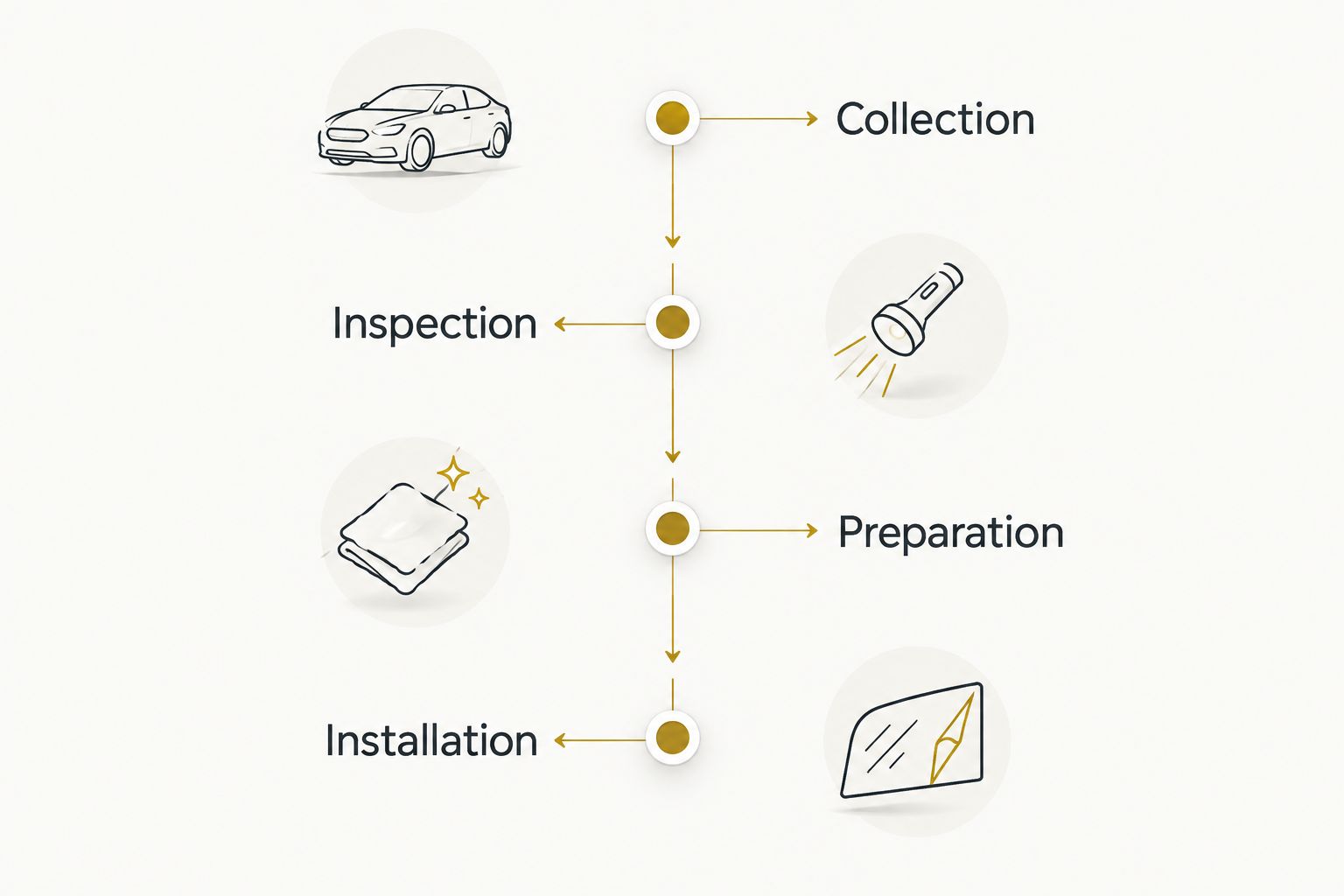
Installation approval and handover
Confirm the installation details
- Match the material being installed to the written proposal. Record the manufacturer and exact product designation with your vehicle's job details.
- Ask how the film will be patterned and fitted around panel boundaries. Confirm where seams, exposed edges or relief cuts are expected.
- Approve any proposed removal of badges or components before it happens. Ask who is responsible for refitting and checking their operation.
- Separate film installation from optional ceramic coating. If coating is proposed over PPF, request confirmation that it is suitable for the exact film and follow the specified application sequence.
Expected result: The material, fitting approach and optional treatments match the work you authorised.
EA Detailer's paint protection services should be assessed against the same criteria as any shortlisted installer: identified materials, an agreed preparation scope and an inspectable result. The benefit is a service scope that includes detailing and protection; the limit is that this scope alone does not establish the exact film, coverage or workmanship on your particular job.
Inspect the completed vehicle
- Compare the installed panels with the coverage map. Check agreed edges, seams and exclusions before signing off.
- Inspect for trapped debris, lifted edges, visible damage and areas that differ from the agreed finish. Ask the installer to explain anything attributed to installation moisture and provide a review instruction.
- Check any components disturbed during the work. Confirm that relevant cameras, sensors, badges and trim are correctly refitted and operating as expected.
- Collect 3 documents: the final work scope, the applicable film documentation and written aftercare instructions. Add these to the shared handover record.
Expected result: You leave with a checked vehicle and clear instructions, rather than a verbal assurance that every concern will disappear.
For a 2026 installation, request the documentation applicable to the exact film fitted. Do not treat a general brochure or another product's warranty as your own terms.
Discuss your new-car protection plan
Define film coverage, preparation and handover requirements before showroom collection.
Second workflow: protect a car already collected
You can still arrange PPF after taking delivery. Inspect and prepare the car in its current condition; do not use the earlier showroom photographs as a substitute for a fresh assessment.
- Record driving, washing, dealer treatments and any damage since collection. Tell the installer about coatings and repairs before the assessment.
- Photograph the vehicle again, including new chips or marks. Distinguish changes since delivery from the original condition record.
- Resolve paint repairs and preparation requirements before approving film. Film protects the surface beneath it; it does not turn damaged paint into undamaged paint.
- Reconfirm the material and coverage map, then follow the same installation and handover checks.
This variant changes the inspection baseline, not the quality standard. A car collected earlier in 2026 needs an assessment of its present paint condition, even if it has travelled only a short distance.
If you already have ceramic coating, do not attempt aggressive removal yourself to make the car ready. Ask the installer to specify the preparation appropriate to the paint, coating and chosen film.
Troubleshooting
The showroom collection date changes
Notify the installer and reconfirm the appointment and transfer arrangement. Keep the preparation and coverage decisions intact, but update the collection instructions so nobody acts on the superseded date.
The dealer has already applied a coating
Identify the treatment and give the information to the installer. Request a revised preparation scope before film application; an unknown surface treatment is not a reason to proceed without assessment.
The paint has a defect at collection
Photograph the defect and ask the dealer to record it before handover. Resolve who will assess or repair it before authorising PPF, particularly where repainting or paint correction is proposed.
You notice bubbles or lifted edges after installation
Photograph the affected area and contact the installer. Follow the product-specific review instructions; do not puncture bubbles, pull the film or assume every visible mark is temporary installation moisture.
Your washing instructions are unclear
Request written guidance identifying when washing can resume, suitable cleaning methods and precautions around film edges. Avoid substituting a generic online waiting period for the instructions applicable to your installed film.
Customize your workflow
Adapt the coverage map to the vehicle's use while keeping the same inspection and approval gates. A performance car used on track needs a different exposure discussion from a new car used primarily for commuting; neither use case justifies skipping preparation.
For colour PPF, approve the intended finish and visible boundaries before installation. For ceramic coating alongside PPF, distinguish coated paint from coated film in the maintenance instructions.
Keep window tint and interior sanitization as separate work items. These services do not replace paint preparation, and their completion should not distract from checking film fitment.
Ask EA Detailer to define each service separately in the proposal. That makes the final handover easier to inspect and prevents a broad package description from obscuring what was actually fitted.
FAQ
When should I arrange new car PPF installation in Singapore?
Arrange the coverage and collection workflow before showroom handover. Confirm the actual installation appointment with the installer, and inspect the delivered paint before authorising preparation.
Should I apply ceramic coating before PPF?
Do not apply ceramic coating first without the PPF installer’s approval. The installer must establish the required surface preparation and whether any coating is suitable for use over the selected film.
Does a new car need paint correction before PPF?
A new car needs inspection, not automatic paint correction. Authorise correction only where the assessed paint condition and agreed finish require it.
Is full-front or full-body PPF better for a new car?
Full-front PPF suits owners prioritising selected front panels; full-body PPF suits owners seeking wider exterior film coverage. Compare the written panel lists and exclusions rather than relying on package names.
Can PPF hide scratches or stone chips?
PPF does not repair scratches or stone chips in the underlying paint. Assess existing defects and agree any repair or correction before film installation.
How soon can I wash my car after PPF installation?
Follow the written washing instructions for the exact installed film. Ask the installer to specify the waiting period and precautions around edges rather than using a generic deadline.
What should I ask EA Detailer before booking PPF?
Ask EA Detailer for the exact film, panel coverage, preparation scope, fitting approach and aftercare instructions. Request applicable product documentation and record any agreed exclusions.
One last thing
The most useful item to bring to a PPF appointment is not a preferred film name. It is your photographed paint-condition record and an agreed coverage map.
Keep those records after the 2026 handover. They establish what the installer received, what you authorised and what you inspected when the job was complete.
Related guides

Leave a Reply