

best ceramic coating ppf bundle singapore: Picks 2026
 ead admin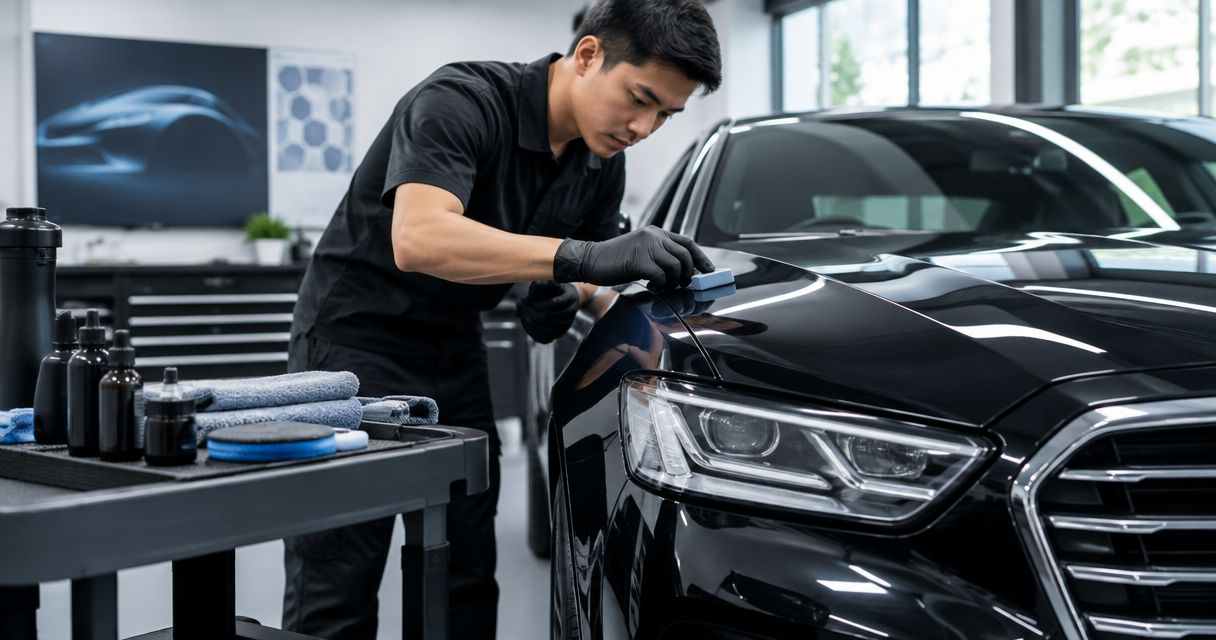
Best overall: full-front PPF with ceramic coating on the remaining painted panels. Best for extensive exterior coverage: full-body PPF with a compatible coating; best focused option: targeted PPF with ceramic coating elsewhere. These are protection configurations to request from Eadetailer in Singapore in 2026, not fixed package names: choose the coverage first, then confirm the materials, preparation and maintenance requirements.
- For best ceramic coating ppf bundle singapore searches, prioritise panel coverage and installation quality over package labels.
- Full-front PPF plus ceramic coating is the default for owners prioritising front-facing painted surfaces.
- Full-body PPF suits owners who want film across the painted exterior, not just the front.
- Ask Eadetailer to specify the film, compatible ceramic coating, preparation and exclusions in writing.
Why this matters
PPF and ceramic coating solve different problems. Paint protection film adds a physical barrier over covered paint; ceramic coating changes the surface properties to support water repellency and easier cleaning. Ceramic coating is not a substitute for film where stone-chip protection is your priority.
A bundle only makes sense when each material has a clear job. Coating exposed paint and coating film are separate applications, with compatibility requirements that depend on the products selected. Neither removes the need for careful washing or prompt contaminant removal.
For a new car, protect the factory finish without assuming it needs aggressive correction. For a luxury or performance car, inspect existing paint condition before choosing coverage. For any 2026 proposal, judge the written scope rather than the number of treatments listed.
What makes the best ceramic coating and PPF bundle
Use these criteria before comparing configurations:
- Coverage clarity: Identify every included panel, partial-panel boundary and excluded surface. A package name is not a coverage map.
- Material identity: Specify the exact film and coating. If XPEL PPF is proposed, request the product line rather than accepting the brand alone.
- Preparation standard: Require paint inspection, contaminant removal and correction only where justified by the finish.
- Installation detail: Discuss film seams, edge treatment, trim access and how complex panel shapes will be handled.
- Surface compatibility: Confirm that the selected ceramic coating is suitable for the film and the intended gloss or matte finish.
- Aftercare and limits: Get written care instructions and the applicable warranty terms, including exclusions.
A strong 2026 bundle proposal explains what is protected, what remains exposed and what you must maintain. More coating layers cannot compensate for an unclear film specification or poor preparation.
Ceramic coating and PPF configurations at a glance
These rankings compare coverage strategies, not installers or advertised offers. Each configuration serves a different ownership priority.
| Rank and configuration | Best for | Standout feature | Key limitation |
|---|---|---|---|
| 1. Full-front PPF with ceramic coating | Front-focused protection | Film on specified front panels, coating elsewhere | Rear and side paint outside the film scope remains exposed to impacts |
| 2. Full-body PPF with compatible coating | Extensive painted-body coverage | Film across the agreed painted exterior | More edges, joins and complex surfaces to inspect |
| 3. Targeted PPF with ceramic coating | Localised wear protection | Film concentrated on identified contact areas | Protection stops at each film boundary |
| 4. Matte-finish PPF with compatible coating | Preserving a matte appearance | Finish-specific material selection | Conventional polishing can alter the appearance |
| 5. Colour PPF with compatible coating | Changing the exterior appearance | Colour change and film coverage together | Panel returns and uncovered areas need particular attention |
1. Full-front PPF: best bundle for front-focused protection
Full-front PPF with ceramic coating is the default recommendation when your priority is protecting front-facing paint without applying film to the entire body. Ask the installer to define the front bumper, bonnet, front wings and mirror coverage individually; do not assume every proposal includes the same surfaces.
Apply ceramic coating to the remaining painted panels where appropriate. If coating is also proposed over the film, confirm compatibility with the exact film selected. The film handles physical protection within its coverage; the coating supports surface care.
Full-front PPF pros:
- Places film on the front surfaces you have selected for impact protection.
- Keeps the coverage decision easy to audit panel by panel.
- Combines physical protection with a coating plan for exposed paint.
Full-front PPF cons:
- Uncovered doors, rear quarters and other panels retain no film barrier.
- Partial bonnet or wing coverage introduces a visible boundary to assess.
- Film edges and coating performance still require maintenance.
Best for: New-car owners and drivers prioritising front-facing painted surfaces while retaining a simpler coverage scope.
For a 2026 quotation, request full-panel versus partial-panel details before approving the installation. Verdict: Buy this configuration when front-focused protection matches your actual concern.
2. Full-body PPF: best bundle for extensive exterior coverage
Full-body PPF places film across the agreed painted exterior. A compatible coating can be applied to the film where the material instructions permit it, but the coating does not expand the film’s coverage or turn the car into a maintenance-free surface.
Define what full-body means for your vehicle. Painted pillars, roof sections, handles, spoilers and complex trim-adjacent areas need explicit treatment in the proposal. Glass, wheels and interior surfaces belong in separate specifications rather than being assumed inclusions.
Full-body PPF pros:
- Extends physical protection beyond the front-facing panels.
- Addresses doors and rear bodywork within the agreed scope.
- Gives you a single film-coverage plan for the painted exterior.
Full-body PPF cons:
- Adds more installation edges and panel transitions to inspect.
- Requires decisions about trim access and difficult contours.
- Does not guarantee that impacts, scratches or contamination leave no damage.
Best for: Luxury and performance car owners who want extensive film coverage and will maintain that coverage properly.
Choose full-body PPF because you want protection across the body, not because ceramic coating is described as inadequate everywhere. Each material still serves its own purpose. Verdict: Buy for extensive coverage; skip if your concern is confined to the front.
3. Targeted PPF: best bundle for localised wear protection
Targeted PPF covers specific areas where you have identified contact or abrasion concerns. Examples to discuss include door-handle recesses, door edges, loading areas and selected sill surfaces. Suitability depends on the surface, shape and film system.
Ceramic coating can then support cleaning on the remaining painted bodywork. Keep the proposal explicit: targeted film is not full-front protection, and coating surrounding paint does not bridge the gap between covered areas.
Targeted PPF pros:
- Matches film coverage to a clearly identified wear concern.
- Lets you protect selected contact areas without a full-body scope.
- Makes exclusions visible before work starts.
Targeted PPF cons:
- Leaves most painted surfaces without film protection.
- Small pieces introduce boundaries that need inspection and cleaning.
- Does not address front-facing impacts unless those panels are included.
Best for: Owners concerned about specific handling or loading marks rather than broad exterior impact protection.
Avoid building a targeted bundle from unrelated add-ons. Identify the problem, select the surface and confirm the installation method. Verdict: Buy for documented localised wear; skip as a substitute for full-front PPF.
4. Matte-finish PPF: best bundle for preserving a matte appearance
Matte-finish protection requires a finish-specific plan. Film changes how the covered surface looks, and the coating must suit the intended appearance. Agree whether you are preserving existing matte paint or changing the appearance of gloss paint with matte film.
Conventional abrasive polishing can alter a matte finish. Preparation must therefore respect the existing surface rather than copying a gloss-paint correction process. Inspect a material sample under direct and diffuse light before approving the finish.
Matte-finish PPF pros:
- Makes the intended finish an explicit part of the specification.
- Provides a physical barrier on the covered panels.
- Supports a coating and aftercare plan suited to matte surfaces.
Matte-finish PPF cons:
- Requires care products and methods suitable for the finish.
- Restricts conventional polishing as a response to visible marks.
- Makes consistency between covered and uncovered areas important.
Best for: Owners preserving matte paint or deliberately choosing a matte exterior appearance.
Ask the installer to explain how a damaged film section would be assessed and replaced without promising an invisible result. Verdict: Buy only after approving the finish sample and care requirements.
5. Colour PPF: best bundle for changing the exterior appearance
Colour PPF combines an exterior colour change with film coverage on the specified surfaces. A compatible ceramic coating is a separate surface-care decision. Do not assume colour film, clear film and conventional vinyl have identical protection properties.
Specify the material itself, not just the colour name. If ChromaGard is proposed, ask for the exact product specification, intended application and maintenance instructions. Inspect the proposed finish and discuss visible original paint around panel returns and openings.
Colour PPF pros:
- Combines a chosen appearance with film coverage.
- Makes colour and finish part of the installation brief.
- Allows a coating plan matched to the selected film.
Colour PPF cons:
- Uncovered returns and openings can show the original paint.
- Future section replacement requires attention to appearance matching.
- Removal needs an assessment of the underlying paint condition.
Best for: Owners whose main objective includes changing the car’s exterior appearance.
Choose colour PPF for a deliberate finish change, not because it is automatically better protection than clear film. Verdict: Buy when the colour change is essential; skip when preserving the original appearance is the goal.
Check preparation before approving the bundle
Compare any Eadetailer ceramic coating and PPF proposal through 3 stages: paint inspection, surface preparation and final inspection. These checkpoints make the installation scope easier to verify without relying on unsupported durability claims.
Paint inspection
Ask the installer to identify contamination, existing defects, previous repairs and vulnerable paint areas. New delivery does not establish that the paint is defect-free. Previously repainted panels also deserve specific discussion before film application or eventual removal.
Surface preparation
Confirm how the paint will be cleaned and decontaminated, and where correction is justified. Correction should address an identified defect rather than serve as an automatic selling point. The surface beneath the film must meet the film manufacturer’s preparation requirements.
Final inspection
Review panel coverage, film alignment, edges, seams and the agreed finish. Ask which observations require immediate attention and which belong to the material’s settling process. Follow the installer’s product-specific instructions rather than a generic internet waiting period.
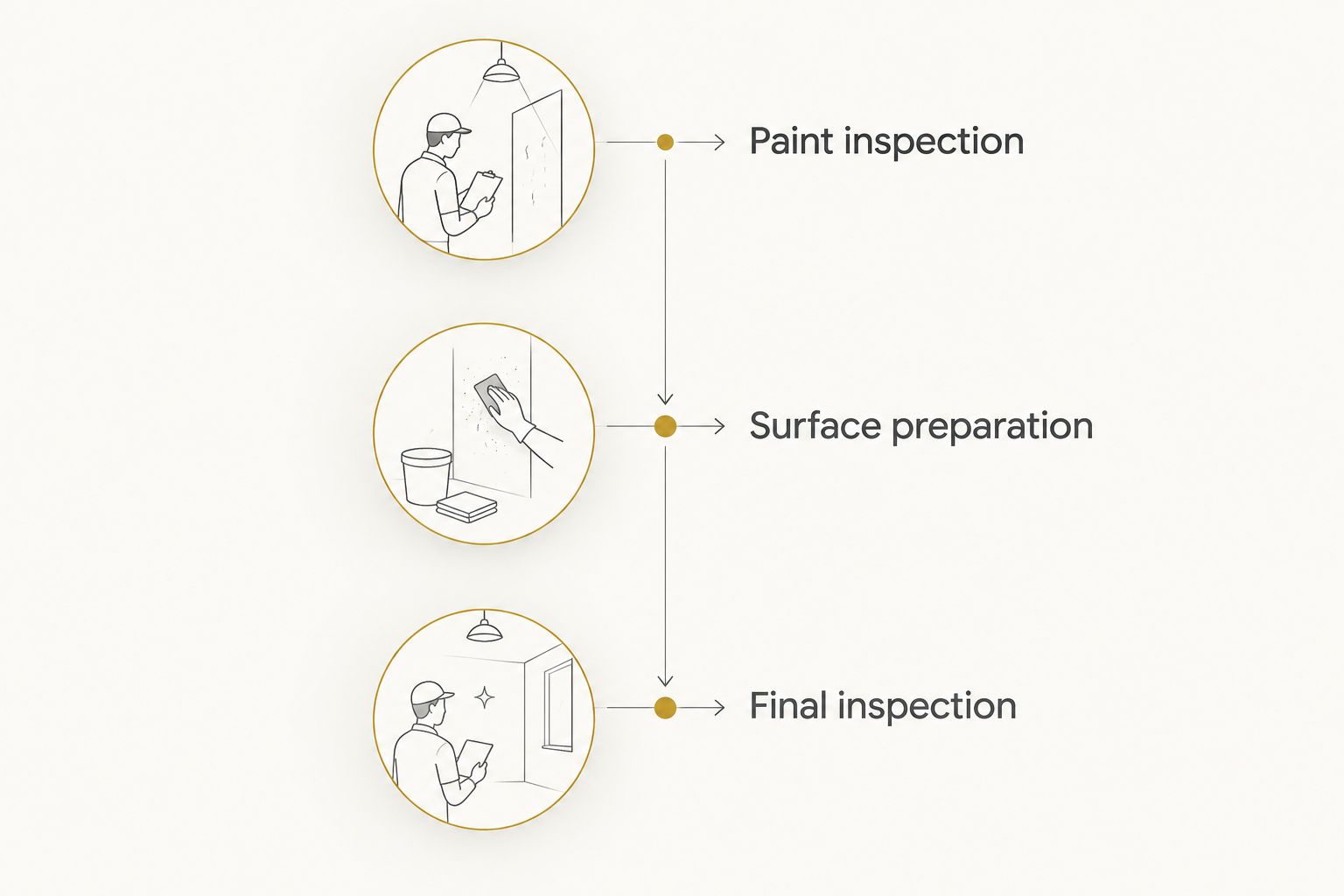
For your 2026 handover, request 1 panel-by-panel coverage map alongside the material specifications and aftercare instructions. Keep those documents together so future maintenance starts from the actual installation scope.
Use the PPF installer selection guide to structure questions about preparation, film handling and the finished installation.
Compare coated paint with coated film
Your maintenance plan must distinguish 2 surfaces: exposed paint and installed film. A cleaning method suitable for one finish is not automatically suitable for every film or coating. Follow the instructions for the materials actually fitted.
Water beading is not a complete inspection method. Contamination can affect surface behaviour, while film condition requires a separate check of edges, marks and adhesion. Do not diagnose coating failure or film damage from a single wash observation.
Promptly remove bird droppings and other contamination using an appropriate method. Avoid aggressive scrubbing, and do not direct concentrated pressure at film edges. Neither PPF nor ceramic coating makes leaving contamination on the car a sound maintenance choice.
How these configurations are ranked
The ranking prioritises coverage clarity, material compatibility, preparation, installation detail and maintenance. Full-front PPF comes first because it answers a defined front-protection need without assuming every owner requires film everywhere.
Full-body, targeted, matte and colour configurations occupy separate use cases. This is not a performance ranking of film brands, a warranty comparison or a claim that these configurations are advertised packages. Confirm the exact service scope before booking.
Which ceramic coating and PPF bundle should you choose?
Choose full-front PPF with ceramic coating as the default when your priority is front-facing paint protection. Move to full-body coverage when you want a film barrier across the agreed painted exterior; choose targeted coverage only for specific wear areas.
Eadetailer suits Singapore car owners seeking professional ceramic coating and PPF services. The right 2026 specification still depends on your car’s paint condition, required coverage and preferred finish—not the length of the package description.
FAQ
What’s the best ceramic coating and PPF bundle in Singapore?
Full-front PPF with ceramic coating is the default configuration for owners prioritising front-facing paint protection. Choose full-body PPF when your objective is extensive painted-body coverage, and confirm the exact materials and exclusions before booking.
Is ceramic coating better than PPF for stone chips?
PPF is the relevant choice for stone-chip protection because it places a physical film over the covered paint. Ceramic coating supports surface care but does not replace that film barrier.
Can ceramic coating be applied over PPF?
Ceramic coating can be applied over PPF when the coating is compatible with the exact film selected. Follow the film and coating manufacturers’ preparation, application and maintenance requirements.
Does a new car need paint correction before PPF?
A new car needs inspection before any decision on paint correction. Correct identified defects where appropriate rather than assuming every newly delivered car needs aggressive polishing.
Is full-body PPF better than full-front PPF?
Full-body PPF provides broader coverage, but it is not the better choice for every owner. Full-front coverage suits a front-focused protection goal, while full-body coverage addresses the agreed painted exterior.
What should I ask about an XPEL PPF bundle?
Ask for the exact XPEL film line, panel coverage, edge treatment, compatible coating and applicable warranty terms. The brand name alone does not define the installation or its exclusions.
Does a ceramic coating and PPF bundle still need regular washing?
A ceramic coating and PPF bundle still needs careful washing and prompt contaminant removal. Maintain exposed paint and installed film according to their respective product instructions.
One last thing
The boundary of the film is also the boundary of its physical protection. A polished description cannot change that fact. Ask the installer to show every boundary on your car before approving the work.
For your 2026 Eadetailer PPF and ceramic coating discussion, start with the panels you want protected. Once that decision is clear, preparation, material selection and aftercare become a precise specification rather than a collection of add-ons.
Related guides

Leave a Reply