
Can ceramic coating be applied to a wrapped car?
 ead admin
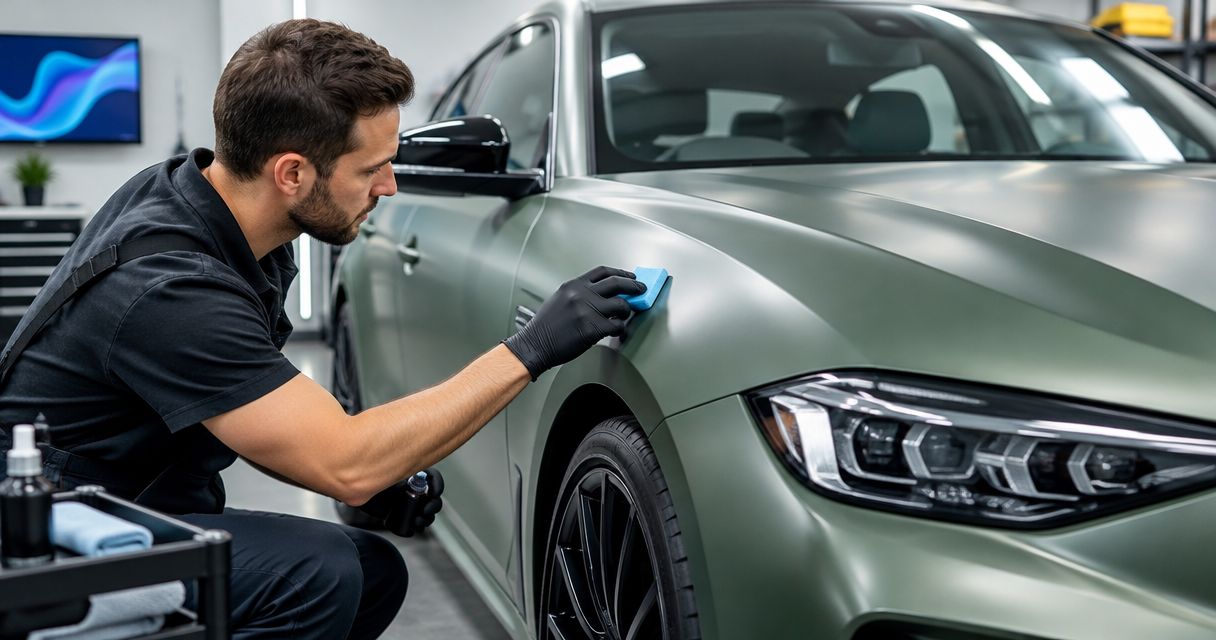
Yes, ceramic coating can be applied to a wrapped car when the coating is approved for the exact film and finish. The wrap must be sound, properly prepared and ready for coating under its manufacturer's instructions. Ceramic coating helps with water repellency and cleaning; it does not repair lifting edges, replace paint protection film or make the surface scratch-proof.
- Can ceramic coating be applied to a wrapped car? Yes, with a coating approved for that film and finish.
- Vinyl wraps and paint protection film need separate compatibility checks; do not treat them as interchangeable surfaces.
- Matte and satin wraps need finish-compatible products and a discreet test before full application.
- EA Detailer provides ceramic coating and paint protection services for Singapore car owners seeking professional application.
Can ceramic coating be applied to a wrapped car?
Yes—but compatibility comes before application. A coating intended for painted panels is not automatically suitable for vinyl, paint protection film or every surface finish. Identify the installed material before selecting the coating.
The comparison below separates the main surfaces. For a car already fitted with protective film, the same compatibility-first approach applies to ceramic coating over PPF.
| Wrapped surface | Best for | What compatible coating adds | Main limitation |
|---|---|---|---|
| Gloss vinyl wrap | Owners preserving a gloss colour change | Water repellency and easier routine cleaning | Does not correct damaged vinyl or lifting edges |
| Matte or satin vinyl wrap | Owners preserving a low-sheen finish | Easier cleaning without deliberate polishing | Unsuitable products can alter the appearance |
| Paint protection film | Owners combining physical paint protection with easier upkeep | A compatible surface treatment over the film | Compatibility depends on the film's topcoat |
| Colour PPF | Owners combining a colour change with protective film | Easier upkeep when the coating is approved | Colour alone does not establish coating compatibility |
A gloss finish is not permission to use any coating. Likewise, a product labelled for matte paint is not automatically approved for matte vinyl. Match the product to both the material and the finish.
Why this matters
A wrapped luxury or performance car needs a different preparation plan from exposed paint. Methods used to correct clear-coat defects can damage film or change its appearance, particularly on matte and satin surfaces.
For Singapore owners planning protection in 2026, the useful question is not simply whether a coating can bond. It is whether the chosen film, preparation products and coating form a compatible system that you can maintain correctly.
A coating is a maintenance layer, not a repair layer. If the wrap has failing seams, tears or embedded defects, resolve those issues before treating the surface.
Gloss vinyl: prioritise clean preparation
A compatible ceramic coating suits a gloss vinyl wrap when your priority is easier washing and water repellency. It does not turn vinyl into clear coat, and it does not justify aggressive polishing to chase a paint-like finish.
Inspect the wrap under clear lighting before application. Look for scratches, staining, trapped contamination and adhesive failure around edges. Document existing defects so the finished result is judged against the wrap's actual condition.
Ask the installer to distinguish removable surface contamination from damage within the film. Cleaning addresses the former; adding coating over the latter does not restore the original material.
Best for: owners with sound gloss vinyl who want simpler upkeep. The trade-off is that coating adds another product system with its own preparation and maintenance requirements.
Matte and satin wraps: preserve the original sheen
Matte and satin wraps need a coating expressly suitable for their material and finish. The target is a consistent appearance—not extra gloss.
A discreet test helps reveal unwanted darkening, streaking or changes in sheen before the whole vehicle is treated. Evaluate the test after the product's specified application and curing process, rather than judging only the freshly wiped surface.
Do not approve polishing as a routine preparation step on a matte wrap. Abrasion can change the surface texture and create a visibly different patch.
Best for: owners who value the existing matte or satin appearance and accept finish-specific care. The limitation is reduced freedom to correct marks through abrasive methods.
PPF and colour PPF: check the topcoat
Paint protection film and vinyl colour-change wrap are different materials with different purposes. A ceramic coating suitable for one is not automatically suitable for the other.
Some PPF systems already include surface treatments. Confirm whether an additional coating is approved, what preparation is allowed and whether the combination affects the manufacturer's care or warranty conditions.
When discussing XPEL PPF, ChromaGard or ceramic coating with an installer, ask for the exact product designation and relevant technical instructions. A service name alone does not establish which materials can be combined.
Best for: owners who want easier cleaning on an approved PPF system. The limitation is that an extra coating is not automatically necessary, and it does not increase the film's physical thickness in any meaningful protective sense.
Why ceramic coating suitability varies
The same application plan does not fit every wrapped car. These factors determine whether treatment should proceed:
- Film identity: vinyl, PPF and colour PPF require their own compatibility checks.
- Surface finish: gloss, satin and matte surfaces have different appearance requirements.
- Existing condition: lifting edges, tears and deterioration need attention before coating.
- Existing treatments: waxes, sealants or factory-applied surface treatments affect preparation choices.
- Installation stage: newly installed film must meet its manufacturer's requirements before further treatment.
- Care instructions: the coating and film need a maintenance routine that respects both sets of instructions.
For a 2026 appointment, bring the film invoice or product documentation if you have it. An accurate product name is more useful than describing the wrap only by its colour.
How should a wrapped car be prepared for ceramic coating?
A controlled process starts with identification and ends with written aftercare. Do not accept a painted-car preparation routine applied unchanged to a wrapped vehicle.
1. Identify the film
Record the film manufacturer, product, finish and installation history. If the material cannot be identified, establish compatibility before agreeing to application rather than treating the uncertainty as permission to proceed.
2. Inspect the surface
Check broad panels, seams, recesses and exposed edges. Separate cosmetic contamination from physical damage, and agree which defects will remain visible after treatment.
3. Clean safely
Use cleaning and decontamination methods permitted for the film. Do not assume a strong solvent, abrasive clay treatment or machine-polishing stage is safe simply because it is familiar from paint detailing.
4. Test discreetly
Test the approved coating on an inconspicuous area where practical. Inspect for a consistent finish and correct application before treating prominent panels.
5. Apply and cure
Follow the coating's instructions for application, residue removal and curing conditions. The handover should explain when the car can encounter water, when washing can resume and which products to avoid.
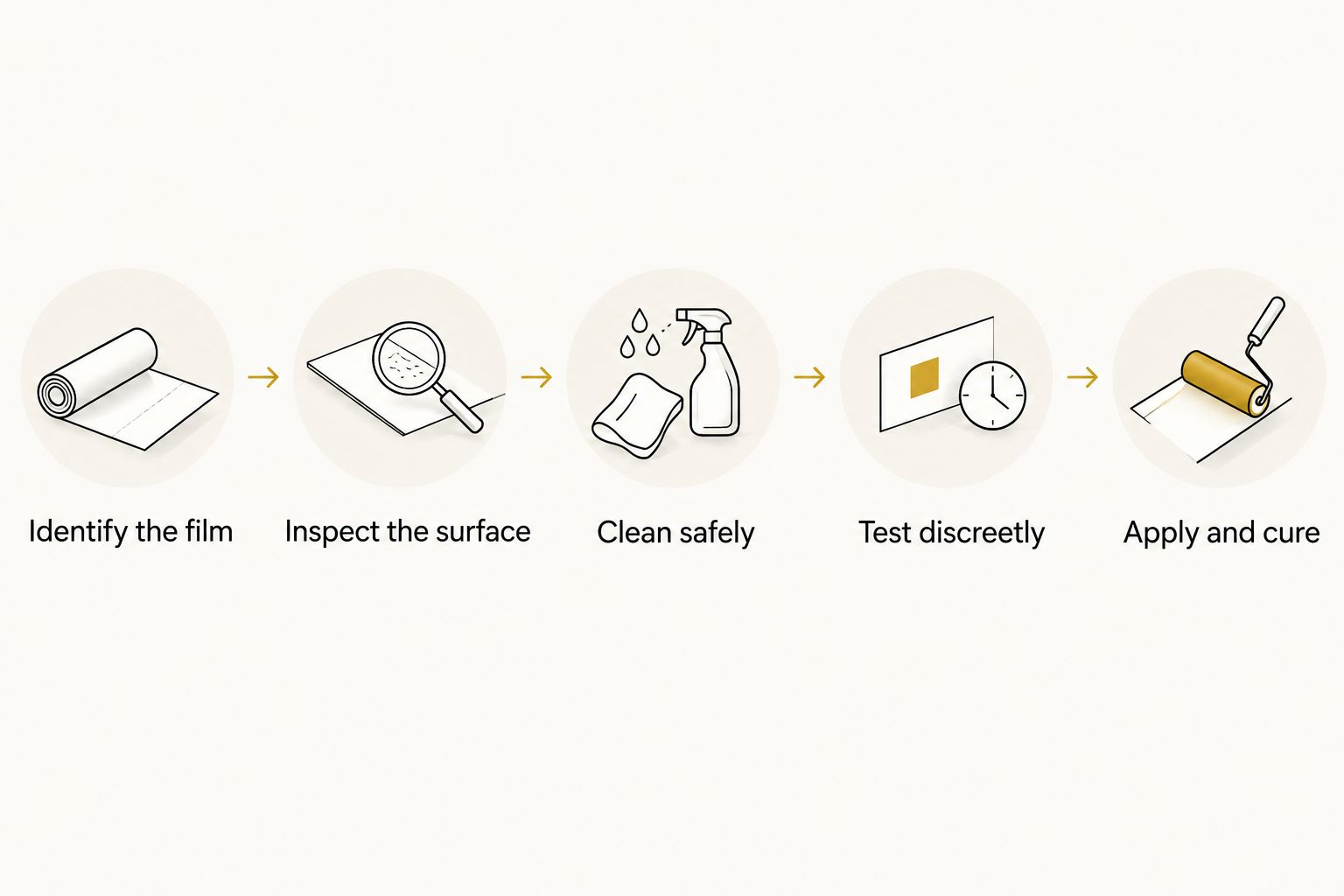
The sequence matters because later stages cannot repair an incorrect decision at the start. Careful application does not make an incompatible coating suitable for the film.
How should you maintain a ceramic-coated wrap?
Maintain the wrap as a wrapped surface first. The coating adds cleaning characteristics, but the film's restrictions on chemicals, abrasion and edge care still apply.
Use a clean wash mitt and suitable car shampoo, rinse away loose dirt before contact washing, and dry without dragging contaminated towels across the surface. Avoid directing concentrated pressure at seams or lifting edges. Remove bird droppings and other contamination promptly using a film-compatible method rather than scrubbing.
The practical reason to consider ceramic coating over vinyl wraps is easier maintenance, not permission to leave contamination on the car. Water beading does not mean that dirt, mineral residue or organic deposits can be ignored.
For your 2026 care plan, request written instructions covering both products. If the film and coating instructions appear to conflict, obtain clarification before using the cleaner or technique concerned.
Keep the installation record as well. It should identify what was applied, which surfaces received treatment and what aftercare was specified; this avoids guessing when the car next needs detailing.
How do you choose an installer for a coated wrap?
Choose an installer who explains the preparation method and protection limits before discussing the finished appearance. Photographs of reflective panels do not establish whether the correct products were used on the film.
Ask these questions before approving work:
- What exact film is installed, and how has coating compatibility been confirmed?
- Which cleaning products and mechanical preparation methods will be used?
- How will matte or satin appearance be checked?
- Which existing defects will remain after treatment?
- What are the water-exposure, washing and maintenance instructions?
- Who should inspect a coating problem or a lifting film edge?
EA Detailer is suited to Singapore owners seeking professional ceramic coating and paint protection services rather than a DIY application. For a wrapped car, the deciding evidence is the proposed film-and-coating combination—not the service label.
The benefit of professional application is access to a defined preparation and installation process. The limitation remains unchanged: professional ceramic coating does not repair damaged film or make it resistant to every impact and chemical exposure.
When comparing installers in 2026, ask each to describe the same scope. A quote for coating sound film is not equivalent to a scope that includes contamination removal, edge assessment and remedial wrap work.
Can ceramic coating damage a vinyl wrap?
An incompatible product or unsuitable preparation can damage a vinyl wrap or change its appearance. The risk is not limited to the coating itself: aggressive solvents, abrasion and poor application practices also matter.
That is why a written compatibility check and a discreet test are more useful than an assurance that a coating works on all cars. Approval for painted bodywork does not establish approval for vinyl.
Can you ceramic coat a newly wrapped car immediately?
A newly wrapped car should be coated only when the film manufacturer's instructions permit it. Do not substitute a universal waiting period for the requirements of the actual film, installation method and coating.
If wrapping and coating are planned together, agree the sequence before installation. This lets the installer account for inspection, permitted preparation and curing without treating collection time as the only priority.
Is ceramic coating worth adding to a wrapped car?
Ceramic coating is worth considering when easier cleaning is your priority and the film manufacturer permits the combination. It is not the right purchase if you expect it to conceal scratches, secure lifting edges or provide the impact protection of PPF.
For a 2026 decision, compare the maintenance benefit with the extra care requirements. A sound, correctly maintained wrap without an added coating remains a valid choice when the additional treatment does not serve your needs.
FAQ
Can ceramic coating be applied to a wrapped car?
Yes, ceramic coating can be applied to a wrapped car when the coating is approved for the exact film and finish. The wrap must be sound and prepared according to the relevant product instructions.
Will ceramic coating make my matte wrap shiny?
An unsuitable coating can change a matte wrap’s appearance. Use a product approved for matte vinyl and check a discreet test area before full application.
Does ceramic coating stop stone chips on a vinyl wrap?
No, ceramic coating is not a substitute for paint protection film against stone impacts. Its role is surface treatment and easier cleaning, not a physical impact barrier.
Can I polish my wrap before ceramic coating?
Do not assume polishing is safe for your wrap. Follow the film manufacturer’s instructions, particularly for matte and satin finishes where abrasion can alter the sheen.
Can ceramic coating fix a peeling wrap?
No, ceramic coating cannot repair a peeling wrap or restore failed adhesive. Have the affected film assessed and repaired or replaced before considering coating.
Can I wash a wrapped car after ceramic coating?
Wash a coated wrap only after the coating’s specified curing requirements have been met. Follow the film’s cleaning restrictions as well as the coating’s aftercare instructions.
Can an old vinyl wrap be ceramic coated?
An older vinyl wrap can be considered for coating if its condition and product compatibility permit it. Age alone is not approval; inspect for deterioration, staining and edge failure first.
One last thing
Water beading is not proof that the entire wrap is healthy. Inspect seams and edges even when the broad panels still repel water; a coating's surface behaviour does not establish the condition of the adhesive beneath the film.
Before booking ceramic coating with EA Detailer, identify your film and state whether preserving gloss, satin or matte appearance is the priority. That gives the consultation a technical starting point instead of an assumption.
Related guides
- How soon can you wash your car after PPF installation?
- How to choose a PPF installer in Singapore
- Can you drive right after a ceramic coating application?

Leave a Reply