
How soon can you wash your car after PPF installation?
 ead admin
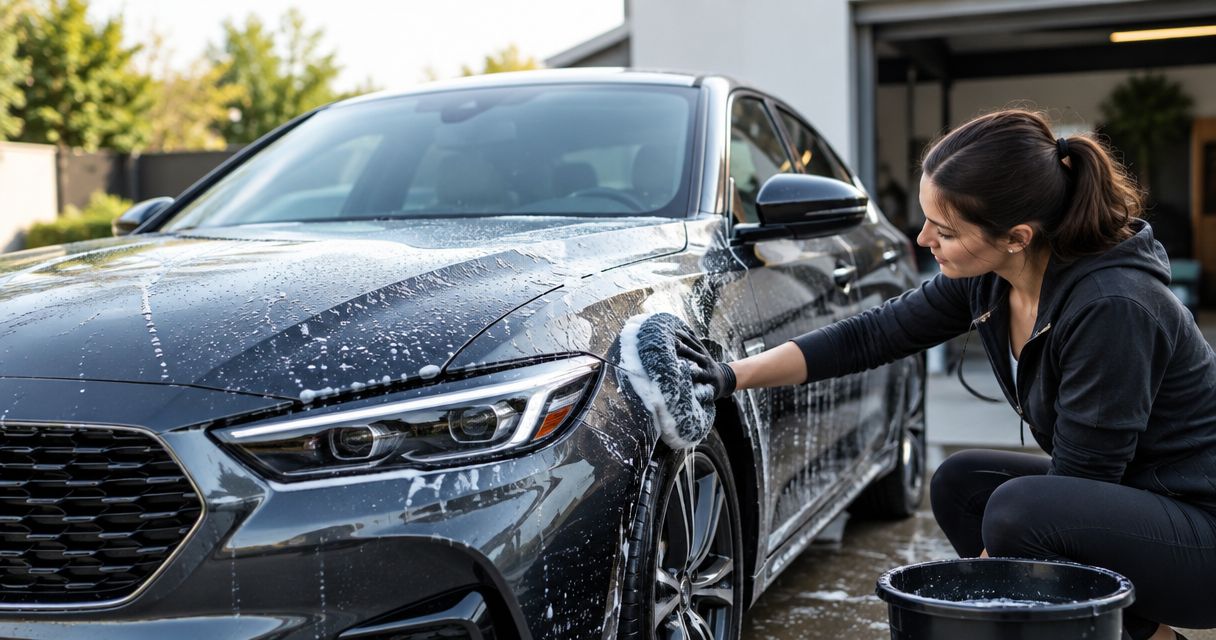
Wash your car after PPF installation only when the film’s specified waiting period has ended and your installer has cleared it for washing. Follow the care instructions for the exact film fitted to your car, rather than a generic deadline. Rain exposure, contamination removal and washing a ceramic-coated film need separate instructions; permission to drive home is not permission to pressure-wash the car.
- How soon can you wash your car after PPF installation? Follow the fitted film’s instructions and installer clearance.
- Your first PPF wash should protect film edges: use gentle cleaning, clean wash media and careful drying.
- Eadetailer suits Singapore owners seeking professional PPF and automotive detailing services.
- Ceramic coating over PPF adds separate aftercare requirements; confirm both before washing.
Why this matters
Freshly installed paint protection film needs aftercare that respects its adhesive bond, exposed edges and surface finish. A clean-looking panel does not establish that every part of the installation is ready for washing. Treat the collection handover as part of the protection work, not an administrative formality.
For your 2026 installation, ask for the first-wash date, permitted cleaning products and instructions for accidental contamination before leaving. These are also useful criteria when you choose a PPF installer in Singapore. A clear answer should apply to your film and installation, not simply to PPF in general.
How soon can you wash your car after PPF installation?
The correct first-wash time is the one specified for your fitted film and confirmed by your installer. Do not substitute a social-media recommendation for the care instructions supplied with the installation. Different products and additional treatments need their own instructions.
Use this sequence before booking a wash:
- Identify the film. Record the manufacturer, product and finish shown on your installation documents.
- Confirm the waiting period. Ask when the installation was completed and when washing is permitted.
- Check additional treatments. Establish whether a ceramic coating was applied over the film and whether its care requirements change that date.
- Inspect without disturbing. Look for lifted edges or areas the installer asked you to monitor. Do not press, peel or puncture them.
- Pass on the instructions. Give the first-wash requirements to whoever will clean the car.
The distinction between a wash date and a wash method matters. Clearance to wash does not approve every chemical, brush or pressure-washer technique. Your first wash should follow both the timing instructions and the film’s cleaning guidance.
If the handover instructions are unclear, contact the installer before starting. You need an actionable answer: whether washing is permitted, which method to use and what to avoid around edges, seams and treated surfaces.
Which first-wash method should you choose?
Choose a careful hand wash once washing is permitted. It gives you control over cleaning products, contact pressure and how you approach film edges. That control matters more than making the car look freshly detailed as quickly as possible.
| Method | Best for | Advantage | Limitation or risk |
|---|---|---|---|
| Careful hand wash | Owners following a film-specific care routine | You control products, wash media and contact with edges | Dirty wash media or excessive rubbing can still mark the surface |
| Professional hand wash | Owners who want someone else to carry out the approved routine | You can brief the operator on the film and any coating | The operator must follow the instructions rather than a standard wash routine |
| Automatic brush wash | Not recommended for the first PPF wash | Requires little owner involvement | Brush contact and a fixed process limit control around film edges |
| Pressure washing | Later maintenance only where the film instructions permit it | Can remove loose dirt without rubbing | A concentrated jet directed at an edge can lift film |
A professional wash is not automatically a suitable wash. Tell the operator that the PPF is newly installed and identify any coating over it. Ask how they will handle edges before handing over the keys.
Do not assume that an automatic wash is safe because it is described as gentle. The relevant question is whether its process meets your film’s care requirements. For the first wash, direct control is the better criterion.
Why the first-wash waiting period varies
A calendar reminder is useful only when it reflects the actual installation. Keep these factors in your 2026 handover record:
- Film instructions: The manufacturer’s care requirements apply to the exact film, not every product sold as PPF.
- Completion time: Count from the relevant installation completion point, not from when you booked or dropped off the car.
- Additional coating: Ceramic coating over film introduces another set of product-specific care instructions.
- Reworked sections: A replaced or reinstalled section needs its own aftercare confirmation; the original collection date is not enough.
- Installer inspection: An edge or surface condition that needs attention should be assessed before you wash over it.
These factors are reasons to confirm the timing, not reasons to invent a longer or shorter deadline. Do not use strong sunshine, a dry-looking surface or a garage fan as proof that you can wash early.
For a partial installation, identify which panels carry film. The uncovered paint and protected panels share the same wash process, so the most restrictive relevant care instruction should guide that wash.
How should you carry out the first hand wash?
Prepare the equipment before wetting the car. Work on cool panels out of direct sunlight, and choose cleaning products approved for the film and any coating. Keep abrasive cleaners, household detergents and unfamiliar stain removers out of the routine.
Prepare the wash
Check the film visually before cleaning. If an edge has lifted or a section looks disturbed, photograph it and contact the installer. Do not try to make the problem disappear by pressing it down with a towel.
Use clean wash media and clean drying towels. A soft mitt containing grit is still abrasive; softness alone does not make a tool safe. Keep equipment used on wheels and heavily soiled areas separate from equipment touching the bodywork.
Remove loose dirt
Use a gentle rinse permitted by the care instructions to remove loose contamination before contact washing. Avoid directing water into film boundaries. If you use pressure-washing equipment later, follow the manufacturer’s limits for distance, pressure and approach rather than guessing.
The aim is to remove dirt without challenging the film’s edges. More pressure is not evidence of a more careful wash.
Wash without scrubbing
Use the approved shampoo and light contact. Clean the car methodically, checking the mitt as you work rather than dragging collected dirt across another panel. Do not scrub a stubborn deposit until it disappears.
If contamination resists normal cleaning, stop and ask which product or process is suitable. That is especially important with matte or satin film, where an unsuitable abrasive treatment can change the appearance.
Dry without catching edges
Use a clean, soft drying towel with light pressure. Avoid dragging a towel across a lifted edge or forcing its fibres into a seam. Inspect the finished surface without picking at anything you find.
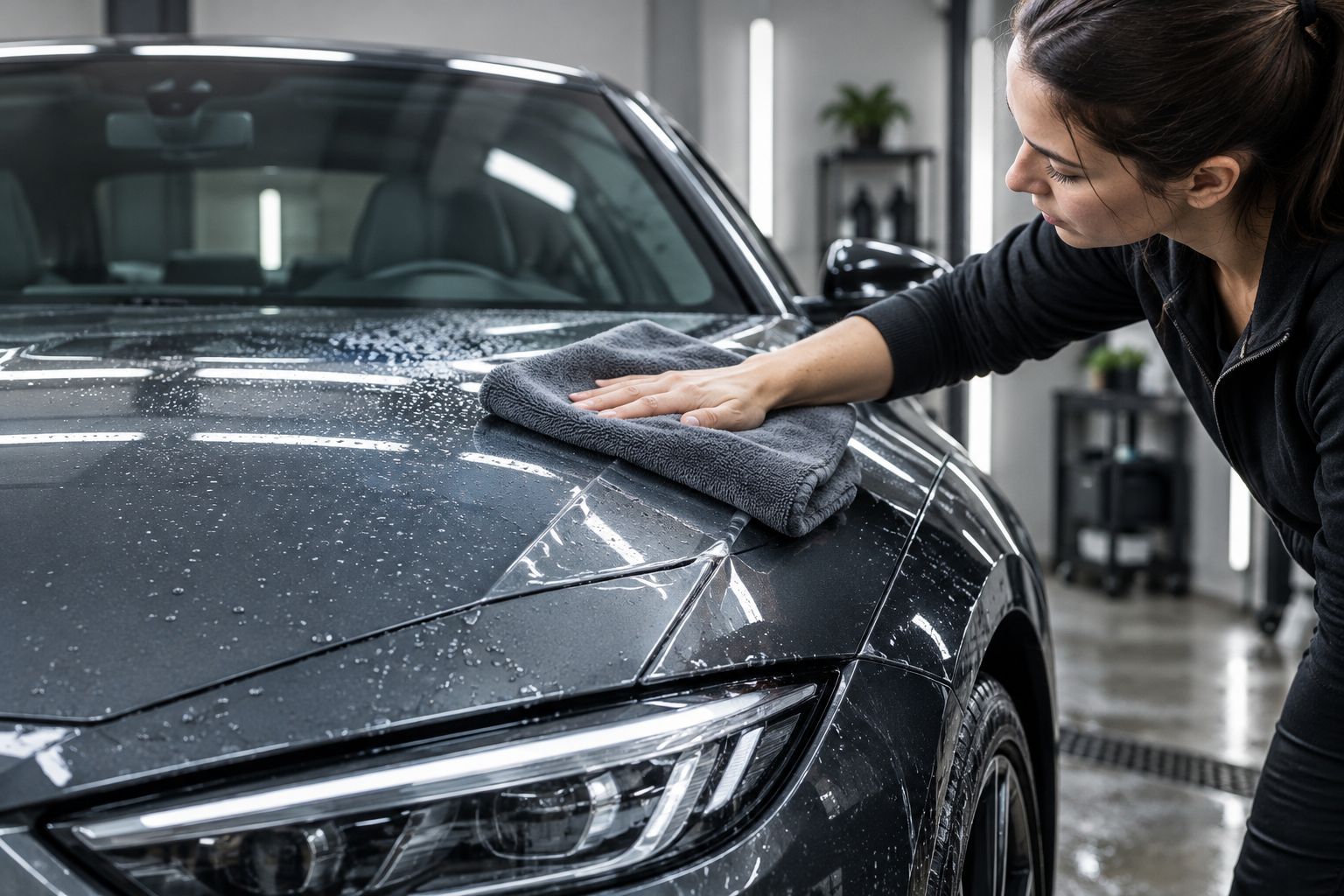
Your first wash is also an opportunity to observe the installation. If you notice a new edge issue, stop handling that area and send the installer a clear photograph. Inspection is useful; improvised repair is not.
What if it rains before you can wash the car?
Rain is not the same as a deliberate wash, but it is not a reason to abandon the aftercare instructions. Follow the installer’s directions for exposure during the initial waiting period. Do not turn a wet journey home into an unscheduled wash or vigorous drying session.
In Singapore, plan the collection journey and parking arrangement before installation. Ask what to do if the car gets wet and whether any action is required when you arrive. A practical instruction is more useful than a blanket instruction to keep the car clean.
Once washing is permitted, address rain residue through the approved wash routine. Avoid repeatedly wiping dusty or dirty panels with a dry towel merely to remove visible water marks.
What should you do about bird droppings or insect residue?
Contamination needs prompt attention, but the first-wash restriction still matters. Contact the installer for an approved local-cleaning method rather than leaving a deposit indefinitely or washing the whole car without clearance.
Do not scrape dried contamination with a fingernail, blade or abrasive pad. Ask whether an approved cleaner and gentle softening process are suitable for the film. The objective is to release the deposit without damaging the surface or disturbing an edge.
Keep the distinction clear: an instructed spot-cleaning procedure does not automatically authorise a full wash. During your 2026 handover, request contamination instructions alongside the first-wash date so you have a response ready.
Does ceramic coating over PPF change the washing instructions?
Ceramic coating over PPF requires you to satisfy both products’ aftercare instructions. A coating does not remove the film’s installation requirements, and film clearance does not establish that a newly applied coating is ready for washing.
Ask for the sequence of work and the date on which the complete system can be washed. If different instructions apply to different surfaces, have the installer explain how to clean the whole vehicle without breaching either requirement.
For the distinction between the treatments, read about applying ceramic coating over PPF. Coating is not a substitute for careful washing, and water beading is not a test of adhesive readiness.
What should you confirm before collecting your car?
For a 2026 booking, keep the handover record with your installation documents. Ask for the film identity, installation completion date, first-wash permission, approved cleaning products and procedure for reporting a problem. Photograph the car’s condition at collection without manipulating the film.
Eadetailer is a fit for Singapore car owners seeking professional PPF and automotive detailing services. Its stated services include paint protection film and ceramic coating. When discussing XPEL PPF, ChromaGard or ceramic coating, ask for the exact material and treatment specified for your car; names alone do not establish shared aftercare requirements.
Eadetailer PPF enquiries should include your intended wash arrangement, whether that is home washing or a regular detailer. The limitation remains the same: professional installation does not make film immune to poor cleaning, and no service name replaces product-specific care instructions.
FAQ
Can I wash my car as soon as I collect it after PPF installation?
Wash it only if the specified waiting period has ended and your installer has cleared it. Collection confirms that you can take the car away, not that every cleaning method is permitted.
Can I use a pressure washer for the first wash after PPF?
Use pressure-washing equipment only where the film’s care instructions permit it. Do not direct a concentrated jet at film edges, seams or any lifted section.
Will rain ruin newly installed PPF?
Rain exposure is different from deliberate washing and should be handled according to the installer’s initial aftercare instructions. Ask what to do if rain occurs before the first permitted wash.
Can I remove bird droppings before the first PPF wash?
Ask the installer for an approved spot-cleaning method and address the deposit promptly. Do not scrape it off or treat local-cleaning permission as clearance for a full wash.
Does ceramic coating mean I can wash PPF sooner?
Ceramic coating does not cancel the film’s waiting period. Follow the requirements for both products and confirm when the complete installation is ready to wash.
What should I do if a PPF edge lifts during washing?
Stop cleaning that area and contact the installer with a clear photograph. Do not peel, trim, glue or pressure-wash the edge.
Should I polish new PPF before its first wash?
Do not polish new PPF as part of routine first-wash preparation. Any corrective treatment must suit the exact film and finish and should be discussed with the installer.
One last thing
Save the first-wash instructions where your wash operator can see them. A message that identifies the film, permitted wash date and edge-care requirements is more useful than saying the car has paint protection. Include any coating instructions and areas awaiting inspection.
For your 2026 maintenance routine, separate appearance from readiness: a dusty car does not need an early wash simply because the installation is new. Eadetailer PPF customers should confirm the approved response to dirt and contamination at handover, then use that instruction rather than improvising.
Related guides
- How long does PPF last on a car in Singapore?
- Showroom collection to paint protection film workflow
- Paint protection film for track-day drivers

Leave a Reply