

best car detailing addons resale value singapore: clean 2026
 ead admin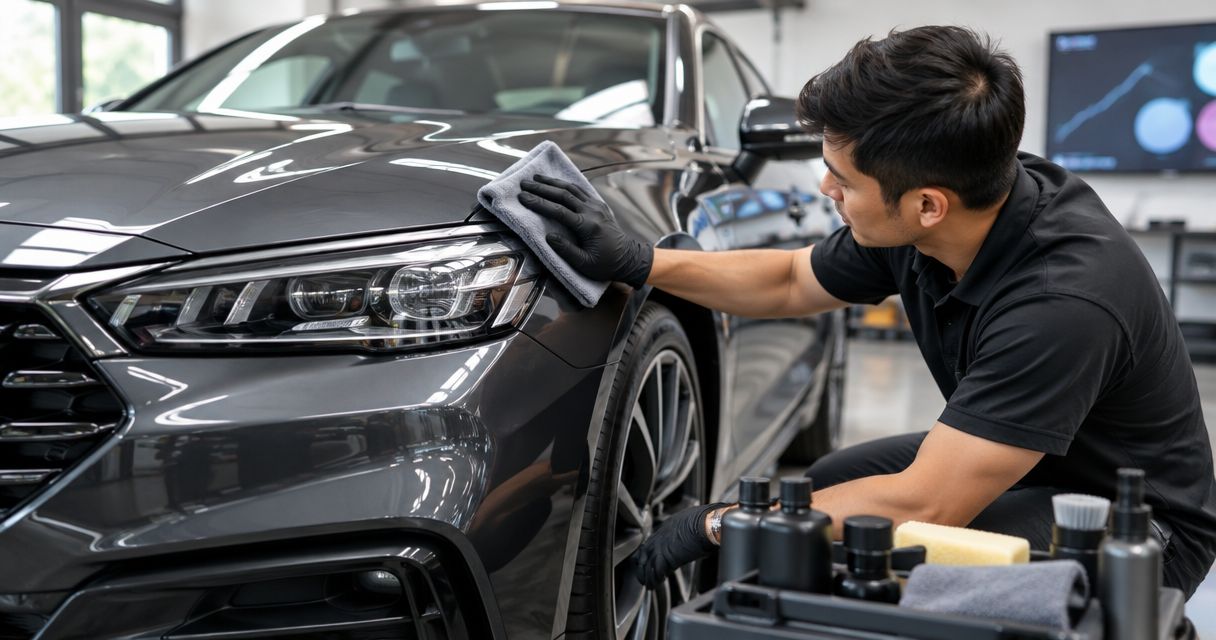
Best overall for resale preparation in Singapore in 2026: exterior detailing. Best for protecting sound factory paint before wear appears: paint protection film (PPF). Best for a car with a visibly neglected cabin: interior sanitization. The right add-on depends on the defect a buyer will actually see; no treatment guarantees a higher resale price.
- For the best car detailing addons resale value Singapore owners can assess, start with visible paint and cabin condition.
- EA Detailer exterior detailing is the best starting point when paint needs presentation rather than a new protective layer.
- Choose PPF to protect sound paint from physical wear; choose ceramic coating to make routine cleaning easier.
- Interior sanitization addresses cabin hygiene, but it does not repair worn upholstery or trim.
Why this matters
A buyer inspects the car you present, not the treatments listed on an invoice. Visible marks, dirty surfaces and an unpleasant cabin give a buyer reasons to look more closely. A fresh coating cannot remove damage beneath it, and a protective film cannot reverse chips that were already there. For resale in 2026, match the work to the car's current condition and the time left before you sell.
New-car owners face a different decision from owners preparing a listing. If the factory finish is still sound, protection can help preserve it while the car remains in use. If you are selling soon, clean and inspect the car before committing to a protective treatment. The detailing packages for new-car owners are a useful comparison when your aim is prevention rather than sale preparation.
What makes the best car detailing add-on for resale?
Use these criteria before choosing a service. A treatment is only as useful as the problem it solves on your car.
- Visible condition: Does the work address something a buyer can see or notice during an inspection? A clean panel and a clean cabin are easier to assess than an undocumented promise of protection.
- Timing: Are you selling shortly, or will you keep driving the car? Preparation and long-term protection serve different purposes.
- Condition underneath: Film and coatings sit over the existing finish. Inspect the paint first rather than using protection to conceal a defect.
- Protection limits: PPF, ceramic coating, tint and sanitization do different jobs. None replaces careful cleaning or repairs outside its scope.
- Installation and upkeep: Ask what preparation is included, which areas receive treatment and how to care for the result. Poor preparation can leave visible defects in place.
- Buyer relevance: Prioritize the parts of the car a buyer will inspect. Do not assume that an add-on will return its full cost at sale.
Best car detailing add-ons at a glance
| Rank and add-on | Best for | What it changes | Main limitation |
|---|---|---|---|
| 1. Exterior detailing | Presenting a car for sale | Cleans visible exterior surfaces | Does not repair chips or deep scratches |
| 2. PPF | Preserving sound paint while you still drive | Adds a physical film over selected paint | Does not undo existing damage |
| 3. Interior sanitization | Addressing cabin hygiene | Treats interior surfaces | Does not restore worn materials |
| 4. Ceramic coating | Making protected paint easier to clean | Adds a coating to prepared surfaces | Does not replace PPF for physical impacts |
| 5. Window tint | Improving cabin comfort during ownership | Changes how much light enters through treated glass | Resale benefit is less direct than visible condition |
The 2026 ranking puts sale-ready presentation first and preventive treatments next. It does not rank these services by a measured increase in resale price; no such figure is provided here. Use the table as a decision tree, then check the condition of your own car before booking work.
1. Exterior detailing: best add-on for sale-ready presentation
Exterior detailing is the first choice when you plan to show the car soon. Cleaning the bodywork and exterior surfaces lets a buyer inspect the finish without dirt obscuring it. EA Detailer exterior detailing is the best starting point for a Singapore seller whose paint needs presentation rather than a new protective layer.
Begin with a condition check, not an assumption that every mark will wash away. Dirt, bonded contamination, scratches and missing paint call for different work. Confirm the scope of the proposed exterior detail so you know which surfaces will be treated and which defects will remain visible.
EA Detailer exterior detailing pros:
- Directly addresses the exterior presentation a buyer can inspect.
- Suits a near-term sale without requiring a new protective layer.
- Creates a clearer view of paint condition before you consider further work.
EA Detailer exterior detailing cons:
- Cleaning alone does not repair stone chips, dents or deep scratches.
- The finish still needs regular care after the detail.
Best for: An owner preparing an otherwise sound car for viewings in 2026. Verdict: Buy when visible dirt and neglected exterior surfaces are the immediate problem. Hold if the real issue is damage that detailing cannot correct.
2. Paint protection film: best add-on for preserving sound paint
PPF is a physical film applied to selected painted areas. It is the preventive choice when the car still has a finish you want to protect from contact and road wear while you continue driving. It is not a repair method for chips already present under the film.
Decide which panels justify coverage before discussing film brands. Front-facing areas and other exposed panels have a different job from low-contact areas; a full-body application changes the scope of the work substantially. Compare those approaches in the full-front versus full-body PPF guide. Ask an installer to identify the film, explain surface preparation and show how edges will be finished on your car.
Brand preferences mention XPEL PPF and ChromaGard, but a name alone does not establish the film specification or the result of an installation. Get the proposed material and coverage in writing. For a luxury or performance car, inspect existing paint carefully before covering it; protection makes the most sense when the finish underneath is worth preserving.
PPF pros:
- Adds a physical barrier over the painted areas it covers.
- Lets you prioritize exposed panels instead of treating every surface alike.
- Fits a longer ownership period when the aim is to retain existing paint condition.
PPF cons:
- Uncovered panels remain exposed.
- Film does not remove pre-existing chips or scratches.
- Edges, preparation and later care need attention during the installer comparison.
Best for: A new-car owner or longer-term keeper with sound paint, not an owner seeking a last-minute cosmetic fix. Verdict: Buy for preventive protection on the panels that need it. Wait until paint condition and coverage have been agreed before installation.
3. Interior sanitization: best add-on for cabin hygiene
A buyer will spend time inside the car, so a neglected cabin can undermine an otherwise tidy exterior. Interior sanitization addresses hygiene on interior surfaces. If the visible problem is staining, accumulated dirt or damaged trim, establish whether cleaning or repair is also needed; sanitization alone does not promise either.
This distinction matters for cars used by families or pets. Describe the specific concern when requesting work and ask which surfaces can be treated. Check the seats, carpets, touch points and enclosed storage areas yourself before deciding that a general cabin treatment covers the problem. In 2026, a clean, inspectable interior is a clearer resale-preparation objective than an unsupported claim that a sanitization treatment raises the selling price.
EA Detailer interior sanitization pros:
- Addresses cabin hygiene, a separate issue from paint condition.
- Gives you a defined task to discuss when the cabin needs attention.
- Can be prioritized without adding another exterior treatment.
EA Detailer interior sanitization cons:
- Does not repair worn upholstery, broken trim or damaged surfaces.
- Does not replace interior cleaning when visible dirt is the main concern.
Best for: An owner whose cabin needs hygiene treatment before buyer viewings. Verdict: Buy when that is the identified problem. Hold if the cabin first needs visible cleaning or repairs.
4. Ceramic coating: best add-on for easier exterior upkeep
Ceramic coating is applied to prepared surfaces. Its role in this ranking is to help an owner maintain the appearance of the finish while continuing to use the car, not to act as a shield against every form of physical damage. The preparation matters: coating a dirty or visibly flawed surface does not correct what lies beneath.
For resale, timing determines the case for coating. A car you will continue to maintain offers more opportunity to use the treatment. A car about to be listed needs clean, honestly presented paint first. Compare the preparation, treated surfaces and maintenance instructions before selecting a coating package; do not treat a quoted durability claim as proof of resale return.
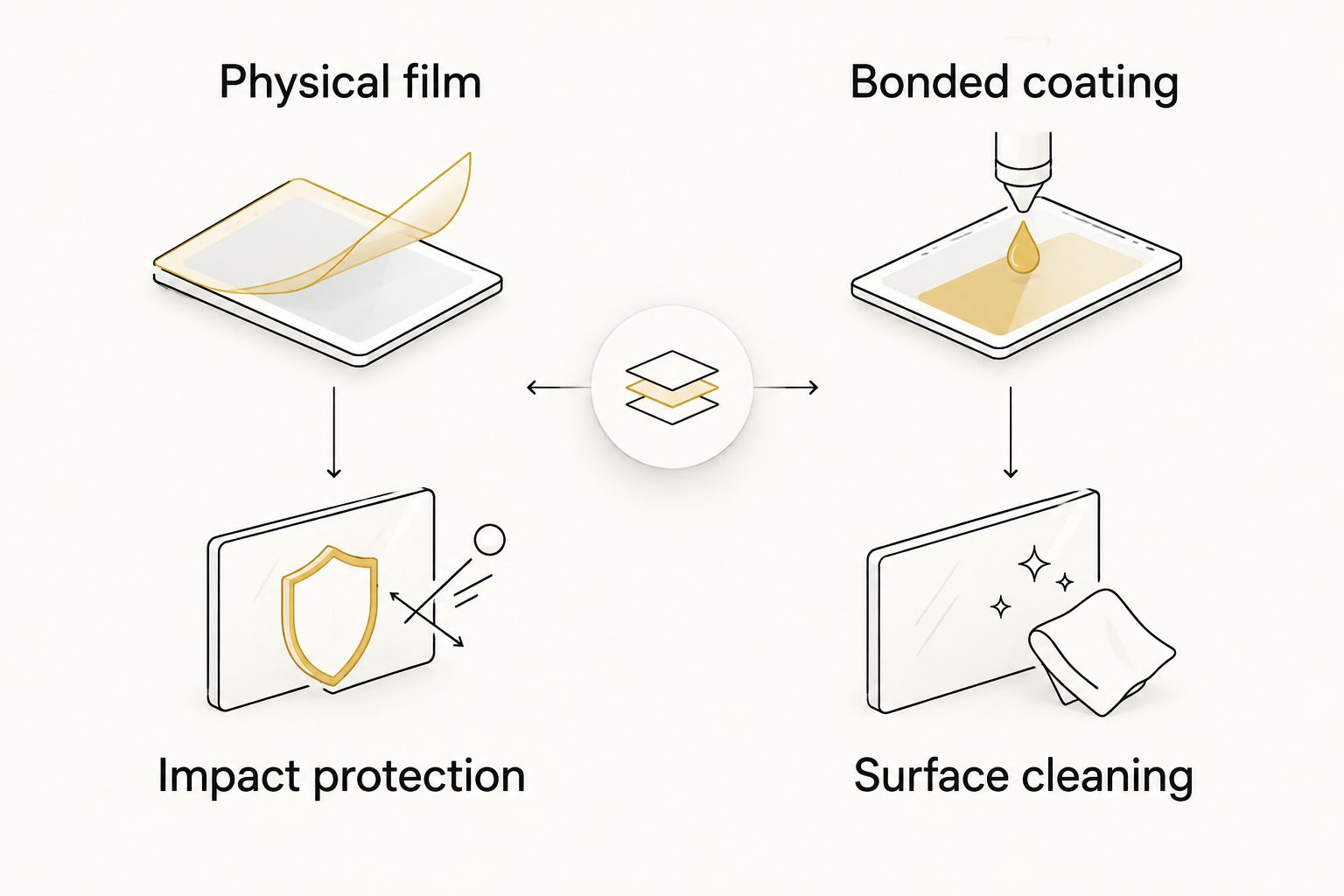
PPF and ceramic coating solve different problems. Choose PPF when physical contact with covered paint is the concern; choose ceramic coating when routine cleaning of prepared surfaces is the priority. Neither removes existing paint damage. If you are considering both, decide on the film coverage and the condition of the underlying paint before discussing any coating work.
Ceramic coating pros:
- Focuses on maintaining a prepared exterior surface.
- Gives owners a clear maintenance goal during continued ownership.
- Can be assessed separately from physical film coverage.
Ceramic coating cons:
- Does not replace PPF where a physical barrier is the priority.
- Does not correct poor paint condition beneath the coating.
- Requires you to follow the care instructions for the applied treatment.
Best for: An owner keeping the car in 2026 who wants to make exterior upkeep the priority. Verdict: Buy for maintenance of properly prepared paint. Skip it as a substitute for repairing defects before sale.
5. Window tint: best add-on for cabin comfort during ownership
Window tint changes the light entering through treated glass. For a Singapore owner who will keep driving the car, cabin comfort is a direct reason to consider it. Its case as a resale add-on is weaker than the case for presenting clean paint and a clean interior: a buyer's preference for tint is not the same thing as a documented increase in the car's value.
Confirm the intended glass, film characteristics and applicable Singapore requirements before installation. Ask what happens to existing film if the car is already tinted. A seller should not add tint simply to make the options list longer; assess the car's current condition and your remaining ownership period first.
Window tint pros:
- Addresses light entering the cabin rather than duplicating paint treatments.
- Serves an ownership need if you will continue using the vehicle.
- Can be considered independently of exterior detailing and PPF.
Window tint cons:
- Does not improve paint or interior surface condition.
- Buyer preference varies, so resale return cannot be assumed.
- Film selection must account for applicable requirements.
Best for: An owner prioritizing cabin comfort while retaining the car. Verdict: Buy for that purpose after checking suitability. Skip tint as a stand-alone resale-value strategy in 2026.
How these add-ons were ranked
The ranking gives first place to work that addresses visible condition before a near-term sale. It then places preventive protection and cabin hygiene according to the problems they solve. Ceramic coating and tint sit lower because their clearest benefits depend on continued ownership and upkeep, rather than an assured change in resale price.
Use the same test on any proposed package: identify the defect or risk, name the treatment that addresses it, and ask what the treatment cannot do. For example, PPF belongs in a protection discussion, while interior sanitization belongs in a cabin-hygiene discussion. Bundling them does not make them interchangeable. This is a recommendation framework for 2026, not a claim that every car needs every add-on.
Which car detailing add-on should you choose?
Choose exterior detailing by default if a sale is approaching and the exterior needs cleaning. Add an interior service when the cabin has its own identifiable problem. If the paint is sound and you plan to keep driving, assess PPF for exposed panels; consider ceramic coating for exterior upkeep. Choose window tint for your own cabin-comfort needs, not because you expect it to determine a buyer's offer.
For EA Detailer services, ask for a scope tied to your car's condition: the surfaces to be treated, the preparation required and the limits of the result. That conversation is more useful than booking every available treatment under a resale label. A car with visible damage needs a clear account of that damage, not another layer over it.
FAQ
What are the best car detailing add-ons for resale value in Singapore?
Start with exterior detailing when a car needs sale-ready presentation, then address a visibly neglected cabin. PPF and ceramic coating are better assessed as protection and upkeep choices during ownership; none guarantees a higher resale price.
Is PPF better than ceramic coating for resale?
PPF is the better choice for protecting sound paint on the areas it covers from physical contact. Ceramic coating serves a different upkeep purpose, and neither treatment repairs existing chips or scratches.
Should I detail my car before selling it in 2026?
Detail the car before viewings if dirt is hiding its condition or making it look neglected. Inspect the cleaned paint and cabin afterward so you can distinguish remaining damage from surface dirt.
Does ceramic coating remove scratches before a sale?
No. Ceramic coating goes over a prepared surface; it is not a scratch repair. Assess visible defects before choosing a coating.
Will interior sanitization repair worn seats?
No. Interior sanitization addresses hygiene, not worn upholstery or damaged trim. Identify visible dirt and physical damage separately before requesting interior work.
Is window tint a good resale add-on in Singapore?
Window tint is a clearer choice for cabin comfort during ownership than for an assured resale return. Confirm the film and applicable Singapore requirements before installation.
Should a new-car owner choose exterior detailing or PPF?
Choose exterior detailing to clean and assess the finish; choose PPF when sound paint needs physical protection while you continue driving. The decision depends on paint condition and which panels you want covered.
One last thing
Photograph the car after cleaning and before adding protection. That gives you a clear view of the paint and cabin you are making decisions about. In 2026, the most useful resale add-on is the one that addresses a condition you can identify, not the longest list of treatments on a receipt.
Related guides
- Ceramic coating packages in Singapore
- Car interior cleaning services in Singapore
- Window tint film brands in Singapore

Leave a Reply