
How long should you wait to wax a car after ceramic coating?
 ead admin
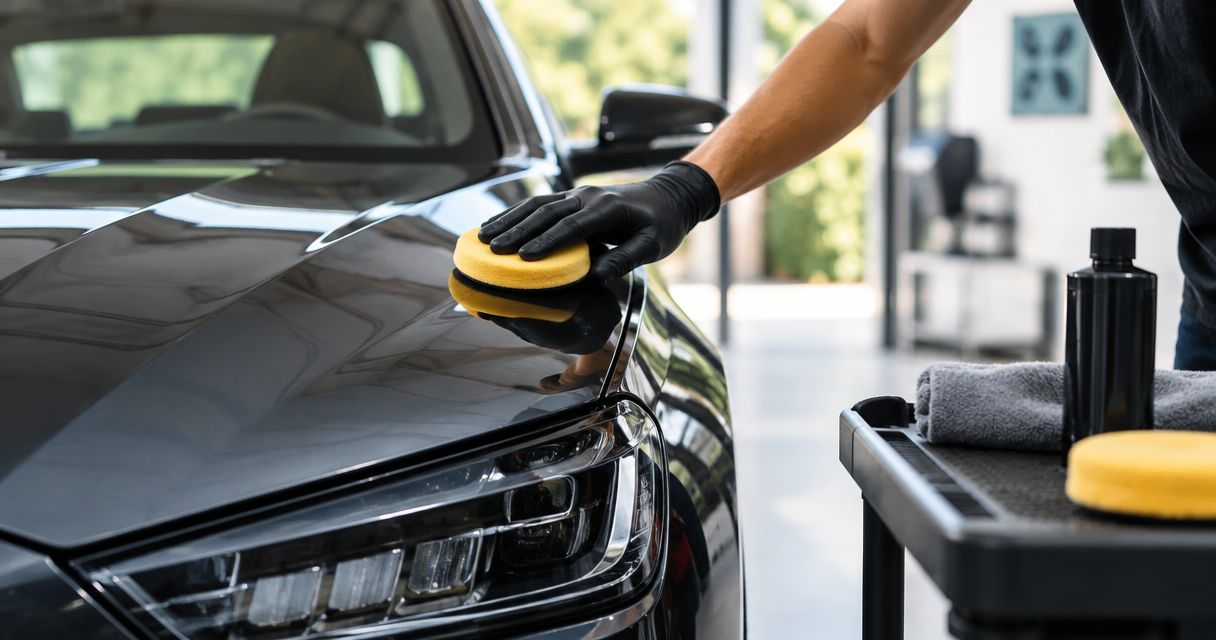
Wait until your ceramic coating has completed its manufacturer-specified cure period before considering wax; there is no single waiting time that applies to every coating. Curing alone does not establish compatibility: use wax only if the coating manufacturer permits it, because an added layer can change the surface’s water behaviour and appearance. For your 2026 maintenance plan, treat wax as optional, not as a required finishing step.
- How long should you wait to wax a car after ceramic coating? Follow the coating manufacturer’s full-cure instructions.
- Ceramic coating does not require traditional wax as a routine finishing layer.
- Eadetailer provides ceramic coating and paint protection services for Singapore car owners.
- Choose coating-compatible maintenance products; avoid polishing or abrasive cleaner waxes on a coating you intend to preserve.
How long should you wait to wax a car after ceramic coating?
Wait for the specific coating’s full cure, then confirm that the proposed wax is compatible. Collection day, permission to drive and permission to wash are not interchangeable milestones. None automatically authorises another protective layer.
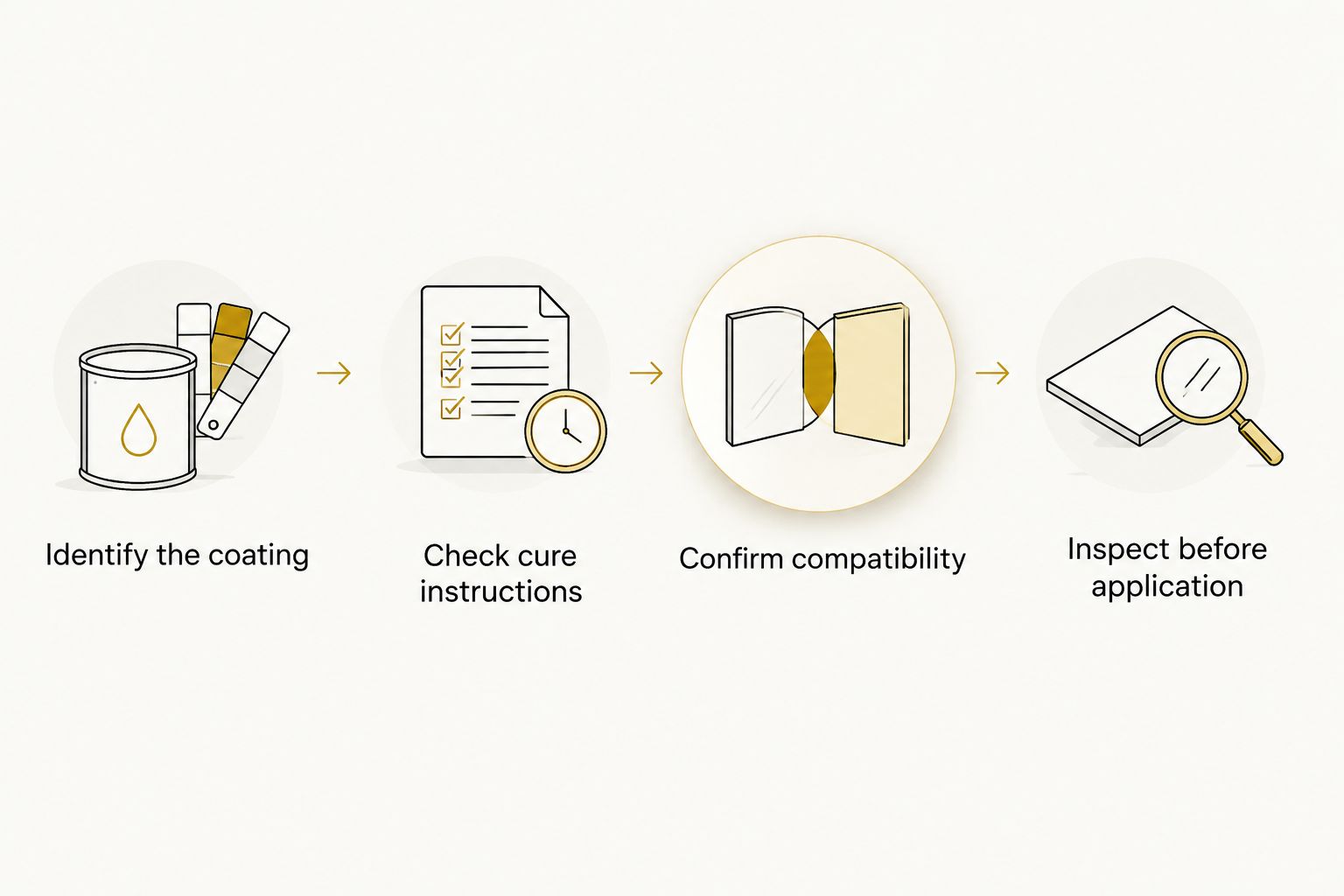
Use this sequence before applying anything:
- Identify the coating. Get the exact product name from your installation record, rather than relying on a general description such as ceramic protection.
- Check cure instructions. Follow the manufacturer’s directions and the installer’s written handover notes for your application.
- Confirm compatibility. Ask whether the exact wax or maintenance product is approved over that coating.
- Inspect before application. Once washing is permitted, clean and inspect the surface before deciding whether it needs another product.
The separate question of how often to wash a ceramic-coated car belongs in your maintenance plan. A washing schedule is not a waxing schedule.
Why this matters
Waxing a coated car is not simply extra protection with no trade-off. The product you apply becomes the exposed surface, so its characteristics influence what you see and how water behaves until that layer wears away.
That distinction matters when you are protecting factory paint on a new luxury or performance car. Adding products without a clear purpose makes maintenance harder to assess: you no longer know whether you are observing the coating, contamination or the latest topper.
Eadetailer is for Singapore car owners seeking professional ceramic coating and paint protection services. Choose professional care for the preparation, application and maintenance decisions—not because a coated car should receive every available treatment.
Full cure comes before optional wax
A coating that feels dry is not necessarily fully cured. Surface dryness and the coating’s completed curing process describe different conditions; touching the panel cannot establish readiness for wax.
Likewise, a handover instruction allowing normal driving does not grant permission to wash, polish or apply a sealant. Each activity exposes the surface to different contact, chemicals or environmental conditions.
For a coating installed in 2026, retain the current care instructions supplied for that exact system. Do not substitute instructions for a previous car, another coating brand or an older bottle of maintenance product.
If the handover sheet gives a first-wash date but says nothing about wax, ask specifically about additional surface treatments. Silence about wax is not approval to apply it.
Wax, maintenance topper or washing alone?
After curing, choose a maintenance approach by purpose rather than by the promise of more gloss. A traditional wax, a coating-compatible topper and washing alone are different choices, with different limitations.
| Approach | Best for | Benefit | Limitation | Recommendation |
|---|---|---|---|---|
| Washing alone | Owners satisfied with a clean coating’s finish | Avoids introducing another protective layer | Does not resolve every bonded contaminant or surface defect | Make this your baseline |
| Coating-compatible topper | Owners following a specified maintenance system | Adds a surface treatment intended for the coating | Still requires confirmed compatibility and correct application | Use only as directed |
| Non-abrasive wax | Owners seeking a particular finish where wax is permitted | Adds a temporary sacrificial surface layer | Can mask the coating’s own water behaviour | Treat as optional |
| Cleaner wax or polishing product | Paint correction under professional assessment | Can address defects through cleaning or abrasion, depending on formulation | Abrasive action can compromise the coating | Avoid for routine coating care |
Washing alone is the best starting point when the coating is clean and performing as expected. A topper earns its place only when the coating’s maintenance instructions call for it or the installer identifies a specific reason to use it.
Read the bottle carefully. Products described as wax can include cleaners or abrasives; the category name does not establish what the formula will do to a coated surface.
Why the waiting period and product choice vary
The correct decision depends on the coating and its application instructions, not a universal countdown. Check these factors before treating a generic online answer as permission:
- Coating chemistry: Different systems have different curing and maintenance requirements. Follow the instructions for the installed product.
- Application conditions: Temperature and humidity can influence curing. Do not shorten the specified period simply because the car has been parked in warm Singapore weather.
- Installer curing process: Any controlled curing procedure must be interpreted through that system’s directions, not assumed to remove every restriction.
- Wax formulation: A non-abrasive wax and a cleaner wax are not equivalent. Confirm ingredients and intended use through the product instructions.
- Surface condition: Dirt, mineral deposits and polishing defects require different responses. Wax is not a substitute for identifying the problem.
These factors explain why a confident fixed-day answer can still be wrong for your car. The useful answer names the coating, the proposed maintenance product and the relevant instructions.
What should you do during the curing period?
Follow the installer’s restrictions on washing, water exposure and chemical contact. Keep the handover instructions accessible so you can respond to an incident without guessing.
If rain, bird droppings or another contaminant reaches the car, contact the installer for a coating-specific response. Do not leave aggressive contamination untreated merely because you have been told not to wash; equally, do not improvise with household cleaners or vigorous rubbing.
Keep anyone else washing the vehicle informed. A well-intentioned wash, spray wax or machine polish can contradict the care plan before you realise it has been performed.
For your 2026 handover record, keep the coating name, application date, first permitted wash and approved maintenance products together. Written instructions are easier to follow than a remembered conversation.
What should you check before the first permitted wash?
Separate the washing decision from the waxing decision. First establish when washing is allowed, then establish which products and methods suit the installed coating.
Ask the person washing your car to omit automatic wax additions unless specifically approved. A wash package containing a finishing treatment is still applying another product, even when nobody calls it waxing.
If your concern is when to wash after ceramic coating, the decision concerns safe cleaning during the coating’s curing schedule—not permission to add wax afterwards. Keep those approvals separate in the handover instructions.
Use this first permitted wash to observe the clean finish rather than immediately changing it. That gives you a clearer baseline for subsequent maintenance and makes unexpected residue or uneven behaviour easier to discuss with the installer.
Does weak water beading mean the coating needs wax?
Weak water beading alone does not establish that your coating has failed or needs wax. Surface contamination and products applied over the coating can influence water behaviour.
Begin with an approved wash once the curing restrictions allow it. If the result still concerns you, arrange an inspection rather than applying successive layers to chase a particular beading pattern.
Document the symptoms: where water behaves differently, whether the panel feels contaminated and which products were used recently. Photographs of the clean surface help make that conversation specific.
A coating assessment should distinguish maintenance needs from damage. Adding wax before that assessment can obscure the surface behaviour you are trying to understand.
Can you polish the car before applying wax?
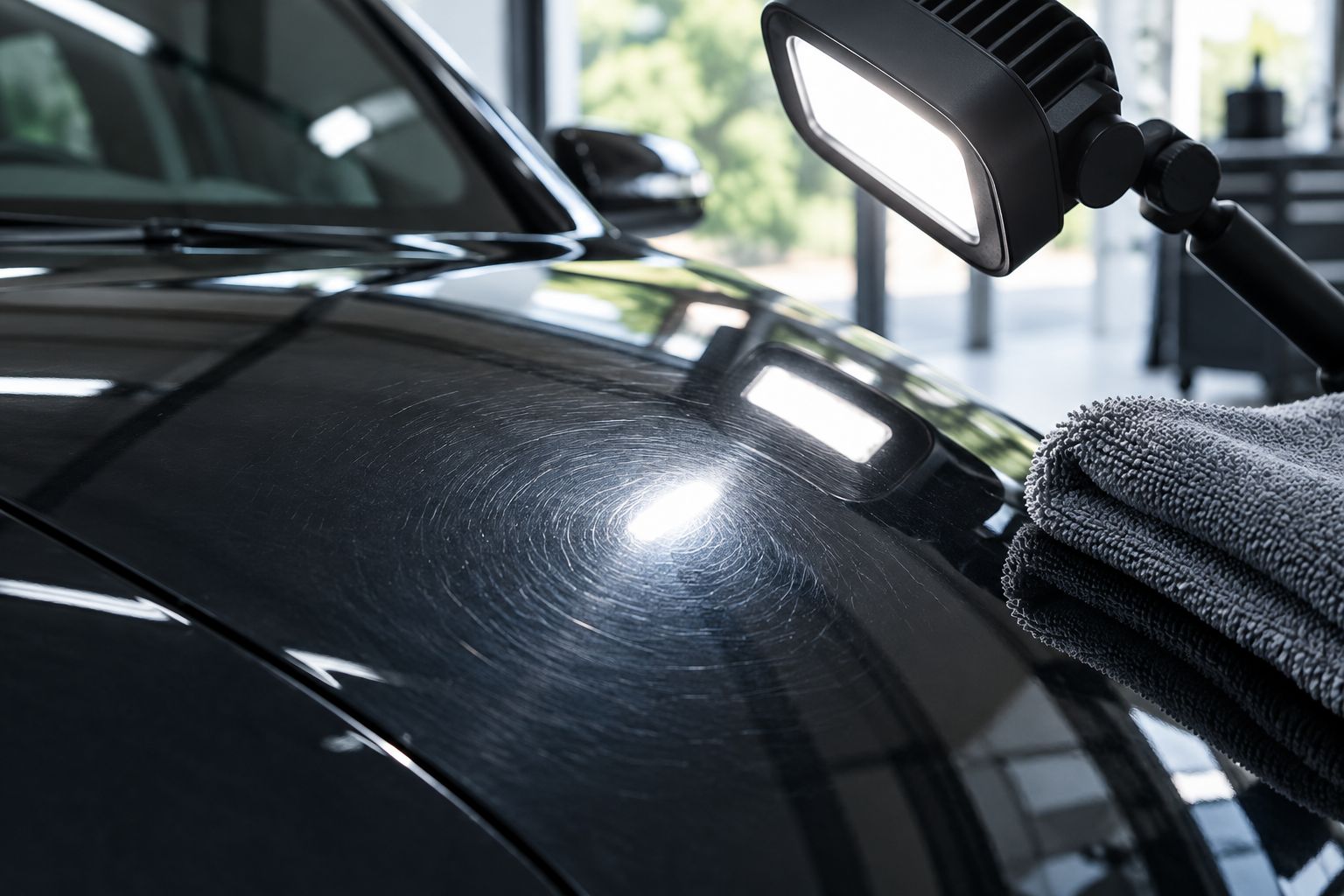
Polishing is not a harmless preparation step for a ceramic-coated car. Abrasive polishing removes material and can reduce or remove the coating in the treated area.
If swirl marks are the reason you want wax, separate temporary appearance changes from actual correction. Wax does not reverse a scratch in the paint, and correction can require renewing protection afterwards.
For that reason, whether ceramic coating removes existing scratches is a separate question from maintaining a cured coating. Discuss defects before authorising polishing, not after the protective surface has been altered.
How should you choose professional maintenance?
Choose maintenance that starts with the installed coating and the condition of the car. Ask the detailer to explain the purpose of any proposed cleaner, topper or correction step before it touches the surface.
Eadetailer lists Labocosmetica #STC#HPC Ceramic Coating among its services. If that is the system on your car, request its specific aftercare directions rather than borrowing a schedule intended for another coating.
The same discipline applies when your vehicle has multiple protected surfaces. XPEL PPF, ChromaGard Colour PPF and ceramic coating identify different protection options; do not assume one set of maintenance instructions covers every panel or material.
For a 2026 maintenance appointment, bring your installation record and recent product history. Professional inspection provides a way to assess the finish, but it does not replace the manufacturer’s requirements or make every additional treatment necessary.
FAQ
How long should I wait to wax my car after ceramic coating?
Wait until the specific coating has fully cured, then confirm that the wax is compatible. Follow the manufacturer’s instructions and your installer’s written handover notes rather than a universal waiting period.
Do I need to wax a ceramic-coated car?
No, traditional wax is not a required finishing step for a ceramic-coated car. Use additional products only when they serve a clear purpose and are compatible with the installed coating.
Can I apply spray wax after the first wash?
The first permitted wash does not automatically authorise spray wax. Check both the coating’s maintenance instructions and the exact spray product’s suitability before applying it.
Will wax remove my ceramic coating?
A non-abrasive wax is different from an abrasive cleaner wax or polish. Abrasive products can compromise the coating, so do not rely on the word wax alone to judge compatibility.
Does poor water beading mean I should add wax?
Poor water beading alone is not a reason to add wax. Clean the surface as directed and have persistent changes assessed before applying another protective layer.
Can I use the same aftercare instructions for ceramic coating and PPF?
Do not assume ceramic coating and PPF share the same aftercare requirements. Confirm the instructions for each installed material, including any coating applied over film.
One last thing
Decide whether wax solves a real problem before deciding when to apply it. If your clean coating already delivers the finish you want, another layer adds a maintenance variable rather than a necessary step.
Keep Eadetailer’s ceramic coating service details and your own installation record distinct: a service description explains the option; your handover instructions govern the car in front of you.
Related guides

Leave a Reply